Best Time to Visit Reykjavik: A Complete Iceland Weather Guide
Discover the ideal season for Northern Lights, midnight sun, and exploring Iceland's capital with our comprehensive weather breakdown.
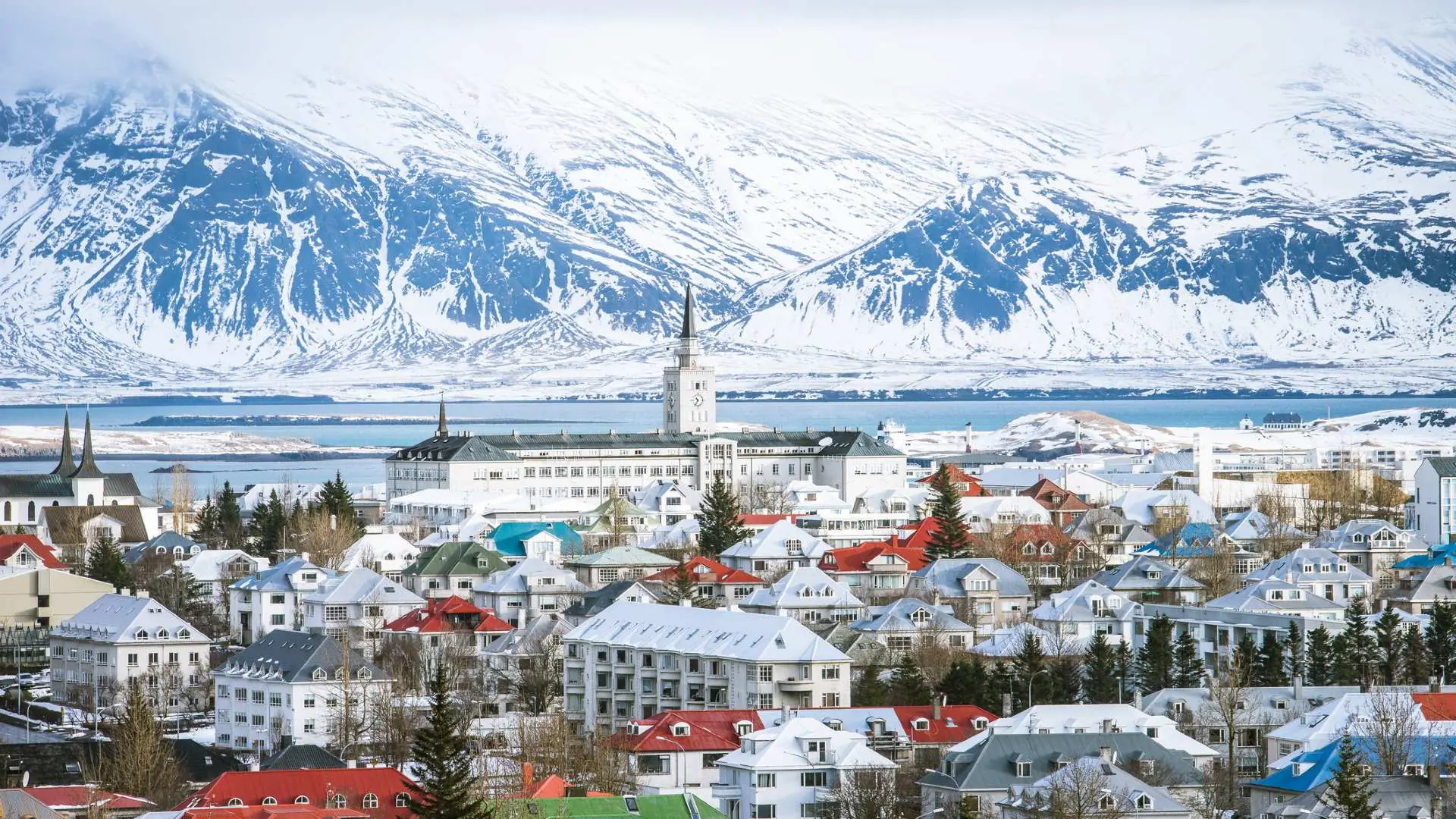
# Best Time to Visit Reykjavik: A Complete Iceland Weather Guide
Reykjavik, the world's northernmost capital, offers dramatically different experiences depending on when you visit. From the ethereal Northern Lights dancing across winter skies to the endless daylight of summer, Iceland's capital city presents unique opportunities throughout the year. Understanding Reykjavik's weather patterns is essential for planning the perfect trip to this Nordic wonderland.
Understanding Reykjavik's Subarctic Climate
Reykjavik's weather defies many expectations. Despite its proximity to the Arctic Circle, the city enjoys relatively mild temperatures year-round thanks to the Gulf Stream. However, "mild" is relative—you'll need to pack accordingly regardless of season.
Key climate characteristics:
Before finalizing your travel dates, check our weather dashboard for real-time conditions and extended forecasts for Reykjavik and other Icelandic destinations. This tool helps you pack appropriately and plan daily activities around weather windows.
Winter in Reykjavik (November-March): Northern Lights Season
Winter transforms Reykjavik into a magical wonderland, though it's not for the faint of heart. This is prime time for Northern Lights hunters, with long, dark nights providing optimal viewing conditions from late September through early April.
What to Expect
Winter Advantages
Northern Lights viewing peaks during these months, particularly on clear nights away from city lights. The darkness also creates a cozy atmosphere in Reykjavik's cafes, geothermal pools, and cultural venues. Ice cave tours and glacier hiking become accessible, offering experiences impossible during warmer months.
Winter also means significant savings. Accommodation costs drop by 30-50% compared to peak summer rates, and you'll find our currency converter especially helpful for budgeting across Icelandic króna, as prices fluctuate seasonally.
Winter Challenges
Limited daylight restricts sightseeing hours, and weather can be unpredictable. Road conditions may affect excursions to countryside attractions. Pack layers, waterproof outerwear, and quality winter boots—Iceland's weather changes rapidly, often within the same hour.
Spring in Reykjavik (April-May): Shoulder Season Sweet Spot
Spring offers an excellent compromise between winter's darkness and summer's crowds. This transitional period brings awakening landscapes and improving weather conditions.
Spring Highlights
April and May present fantastic opportunities for photographers. The landscape transitions from winter white to vibrant green, and you can still catch occasional Northern Lights displays early in the season while enjoying longer days for exploration.
Pro tip: Late May offers nearly 20 hours of daylight without the June-August tourist surge. You'll experience Iceland's awakening nature while maintaining flexibility in your schedule.
Summer in Reykjavik (June-August): Midnight Sun Magic
Summer is Reykjavik's peak season for good reason. The midnight sun creates an otherworldly atmosphere where darkness barely exists, and the entire country bursts with activity.
Summer Conditions
Why Visit in Summer
Accessibility is summer's greatest advantage. All roads remain open, highlands become navigable, and every tour operator runs full schedules. Whale watching reaches its peak, with minke, humpback, and even blue whales frequenting nearby waters.
The extended daylight allows you to pack more into each day. Imagine exploring the Golden Circle, soaking in the Blue Lagoon, and wandering Reykjavik's streets—all in a single day, with sunshine throughout. Our city explorer can help you map out ambitious itineraries that maximize these long days.
Summer Considerations
Expect crowds at major attractions and book accommodations months in advance. Prices peak during July and August, with hotels, tours, and car rentals commanding premium rates. The midnight sun, while spectacular, can disrupt sleep patterns—bring a quality sleep mask.
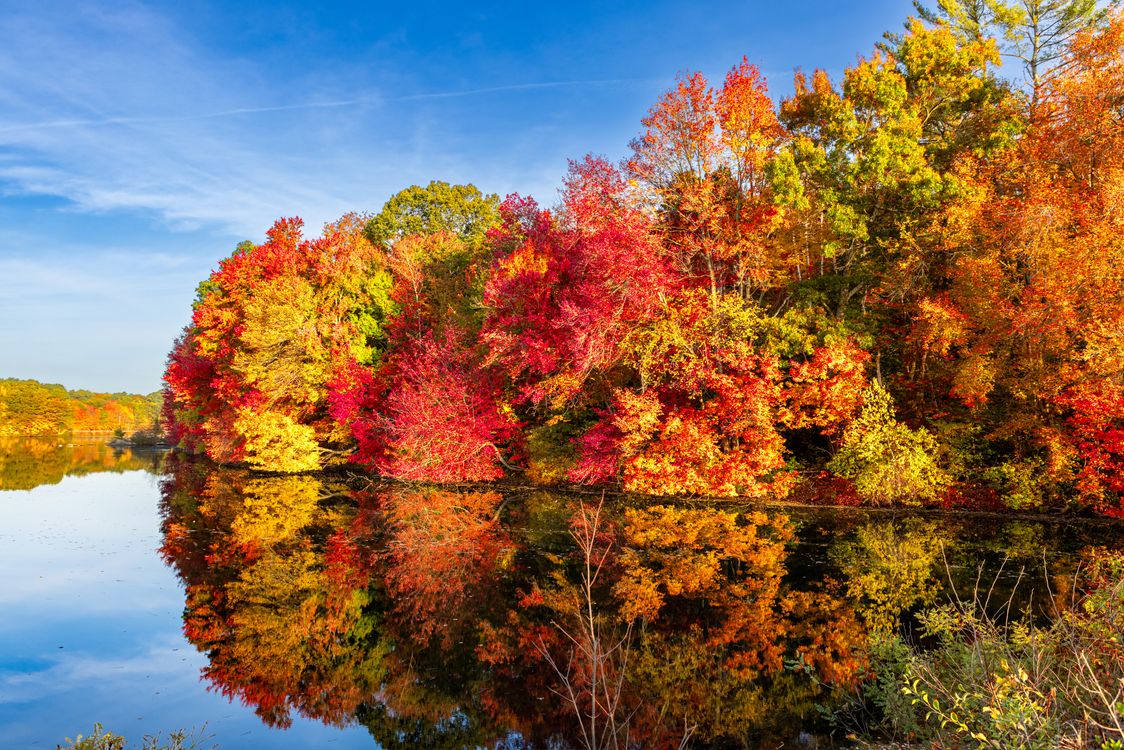
Autumn in Reykjavik (September-October): Northern Lights Return
Autumn rivals spring as an ideal visiting period. You'll experience the perfect balance: Northern Lights reappear, crowds diminish, and weather remains relatively cooperative.
Autumn Features
September is particularly special—you can potentially see Northern Lights while still enjoying reasonable weather and 12+ hours of daylight. October brings more dramatic aurora displays but colder, wetter conditions.
The shoulder season pricing returns, making luxury experiences more accessible. Consider splurging on a helicopter tour or upscale restaurant—your budget stretches further than summer months.
Making Your Final Decision
Your ideal Reykjavik travel window depends on priorities:
Choose winter if you prioritize Northern Lights, winter sports, ice caves, and budget travel. Accept short days and cold weather as trade-offs.
Choose spring if you want moderate weather, fewer tourists, and awakening landscapes. You'll sacrifice some accessibility to highland areas.
Choose summer if you want maximum accessibility, stable weather, midnight sun, and don't mind crowds or premium pricing.
Choose autumn if you seek Northern Lights with better weather than winter, beautiful scenery, and moderate pricing.
Regardless of season, Reykjavik rewards prepared travelers. Check our weather dashboard regularly as your trip approaches, and remain flexible with daily plans—Icelandic weather famously changes rapidly. Pack layers, waterproof gear, and an adventurous spirit, and you'll discover why this remarkable city captivates visitors year-round.
Reykjavik's magic isn't confined to a single season. Each period offers distinct experiences that showcase different facets of Iceland's character. The "best" time is simply the time that aligns with your personal travel dreams and priorities.
:max_bytes(150000):strip_icc()/TAL-header-french-riviera-nice-france-SHLDRBEACH0923-327af5de377446ecb568f9d34da33589.jpg)