Expedition Cruising Guide: Galapagos, Antarctica and Norwegian Fjords Adventures
Discover how small-ship expedition cruises unlock the world's wildest places, from Galapagos wildlife to Antarctic icebergs and Arctic fjords.
Expedition Cruising: How Small Ships Unlock the World's Wildest Places
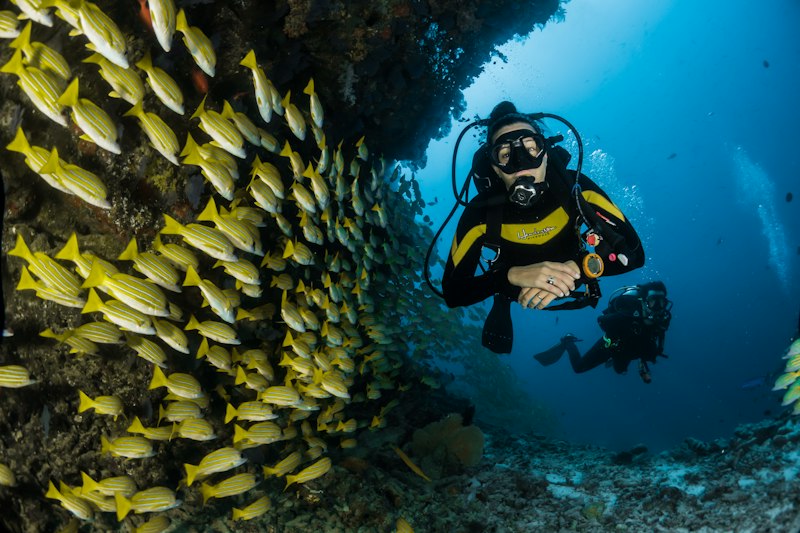
There is a style of cruising that has nothing to do with casino nights, Broadway shows, or poolside cocktails. Expedition cruising takes small, purpose-built vessels into remote corners of the planet that larger ships simply cannot reach -- polar ice fields, uninhabited archipelagos, pristine river systems, and volcanic islands teeming with wildlife found nowhere else on Earth. If you have ever dreamed of watching penguins waddle past your zodiac inflatable or snorkelling alongside marine iguanas, expedition cruising is the experience you have been looking for.
What Makes Expedition Cruising Different
The defining characteristic of an expedition cruise is the small ship -- typically carrying between 50 and 200 passengers, compared to the thousands aboard a mainstream cruise liner. This smaller scale enables access to shallow anchorages, narrow channels, and protected marine areas where large vessels are prohibited. It also creates a more intimate atmosphere, where fellow passengers tend to share a genuine curiosity about the natural world.
Zodiac inflatable boats are the workhorses of expedition cruising, ferrying passengers from ship to shore in places without docks or jetties. These sturdy craft allow landings on remote beaches, wildlife observation at close range, and exploration of sea caves and coastal cliffs. Most expedition ships carry a fleet of zodiacs and operate multiple daily excursions.
Expert naturalist guides are another hallmark of the expedition experience. These specialists -- ornithologists, marine biologists, glaciologists, geologists -- accompany every landing and lecture in the ship's lounge each evening, providing context that transforms wildlife sightings from passive observation into genuine understanding.
Use our [currency converter](/currency) to compare expedition cruise pricing across different currencies -- these voyages are priced in USD, EUR, or GBP depending on the operator, and exchange rates can significantly affect the final cost.
The Galapagos Islands: Evolution in Action
No expedition cruise destination captures the imagination quite like the Galapagos Islands, the remote volcanic archipelago 1,000 kilometres off the coast of Ecuador that inspired Charles Darwin's theory of natural selection. The islands are home to species found nowhere else on Earth -- giant tortoises that can live for over 150 years, marine iguanas that dive into the sea to graze on algae, blue-footed boobies performing their comical courtship dances, and Galapagos penguins living on the equator.
Because the islands have no native land predators, the wildlife here has no fear of humans. You can sit within metres of a sea lion colony, watch a hawk land on a nearby rock, or snorkel alongside sea turtles and reef sharks without disturbing the animals at all. This extraordinary tameness makes the Galapagos unlike any other wildlife destination on the planet.
Galapagos expedition cruises typically last 7-14 days and visit a rotating selection of islands, as each island has a strict visitor quota to protect the ecosystem. Isabela Island is the largest and most volcanically active, with lava fields, flamingo lagoons, and the chance to snorkel with penguins. Fernandina Island hosts the world's largest colony of marine iguanas. Genovesa Island (also called Bird Island) is a seabird paradise, with red-footed boobies, frigatebirds, and storm petrels nesting in extraordinary numbers.
The best time to visit is year-round, though June to December brings cooler, nutrient-rich waters that attract more marine life, while January to May offers warmer seas and calmer conditions ideal for snorkelling.
Antarctica: The Ultimate Expedition Destination
For those seeking the most remote and dramatic expedition experience on Earth, Antarctica stands alone. The white continent receives fewer visitors per year than many individual tourist attractions, yet those who make the journey invariably describe it as the most profound travel experience of their lives.
Antarctic expedition cruises depart from Ushuaia in southern Argentina and cross the notorious Drake Passage -- two days of open ocean that can be rough but also thrillingly wild. The reward is the Antarctic Peninsula, a landscape of towering icebergs, glaciers calving into the sea, and wildlife in staggering abundance.
Penguin colonies are the headline attraction -- chinstrap, gentoo, and Adelie penguins nest in their hundreds of thousands, filling the air with noise and the distinctive aroma of a working colony. Leopard seals patrol the ice floes, humpback whales breach in the bays, and albatrosses soar overhead on wingspans of over three metres.
Zodiac cruises among icebergs reveal a world of extraordinary sculptural beauty -- ice formations in every shade of blue and white, carved by wind and wave into arches, caves, and cathedrals. Kayaking among icebergs is offered by some operators as an optional activity, providing an even more intimate perspective on this frozen wilderness.
The Antarctic season runs from November to March, with each month offering different highlights: November brings the first penguin chicks hatching; December and January offer the longest daylight hours; February and March see whale activity at its peak.
Browse more articles on our [blog](/blog) for detailed guides to preparing for an Antarctic expedition, including what to pack and how to choose the right operator.
The Norwegian Fjords by Expedition Ship
Closer to home for European travellers, the Norwegian fjords offer a spectacular expedition cruising experience without the need for long-haul flights. While the fjords are also served by larger cruise ships, an expedition vessel allows access to the narrowest and most dramatic waterways -- places like Nærøyfjord (a UNESCO World Heritage Site) and the remote Svalbard archipelago in the High Arctic.
Svalbard, at 78 degrees north, is one of the most accessible Arctic destinations and offers genuine polar expedition experiences: polar bear sightings, walrus colonies hauled out on beaches, Arctic fox cubs playing near their dens, and the ethereal beauty of the midnight sun in summer or the northern lights in winter.
The Lofoten Islands are another Norwegian highlight accessible by expedition ship -- dramatic peaks rising directly from the sea, traditional red fishing villages (rorbuer) perched on stilts over the water, and some of the finest seafood in Scandinavia.
Choosing Your Expedition Cruise
When selecting an expedition cruise, consider these key factors:
Check live weather on our [city dashboard](/) for conditions at your expedition destination -- polar and remote regions can experience rapid weather changes that affect itineraries.
Expedition cruising demands a spirit of adventure and a willingness to embrace the unexpected -- a landing cancelled due to weather, a surprise whale sighting that delays the schedule, a fog bank that transforms a familiar bay into something mysterious and new. It is precisely this unpredictability that makes it so unforgettable.