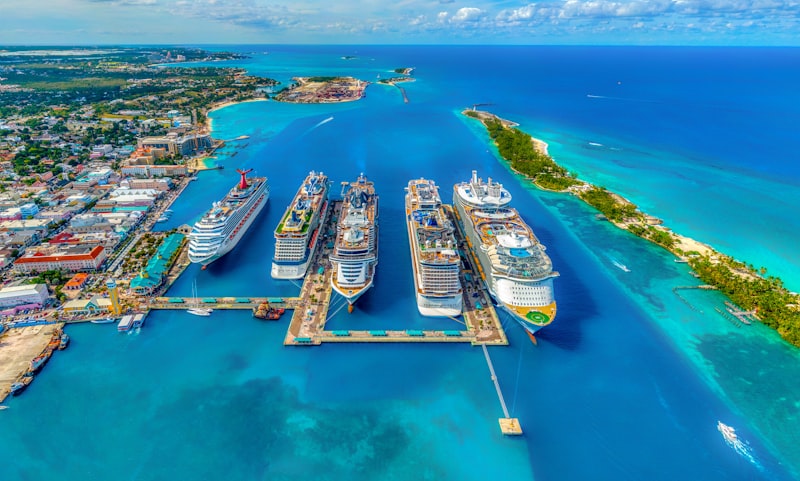
Greek Islands Cruise Guide: Santorini, Mykonos, Rhodes and Beyond
Sail through the Aegean Sea and discover the magic of Greece's most iconic islands — from volcanic Santorini to ancient Rhodes and glamorous Mykonos.
Setting Sail Through the Aegean: Why a Greek Islands Cruise Is Unmissable
Few cruising destinations in the world match the Greek Islands for sheer beauty, history, and variety. The Aegean Sea is dotted with over 200 inhabited islands, each with its own distinct character — from the volcanic drama of Santorini to the medieval streets of Rhodes and the cosmopolitan energy of Mykonos. A cruise is the ideal way to experience multiple islands without the hassle of ferries, luggage transfers, and repeated check-ins.
This guide covers the key ports of call, what to do at each stop, and practical tips for making the most of your Greek Islands cruise.
Key Ports of Call
Santorini: The Jewel of the Aegean
Santorini is arguably the most photographed island in the world, and it lives up to every expectation. The island is the remnant of a massive volcanic eruption that occurred around 3,600 years ago, leaving behind a dramatic caldera — a flooded volcanic crater — surrounded by sheer cliffs topped with the iconic white-and-blue villages of Oia and Fira.
What to do in port:
Practical tip: Santorini's port at Athinios is a tender port — you'll take a small boat from the ship to shore. The cable car up to Fira fills quickly; consider the donkey path or walking steps as alternatives.
Mykonos: Glamour, Beaches, and Ancient History
Mykonos has a well-earned reputation as one of the Mediterranean's most glamorous destinations. The island's Chora (main town) is a labyrinth of whitewashed lanes, boutique shops, and waterfront restaurants. Little Venice, where the houses hang directly over the sea, is one of the most charming spots in all of Greece.
What to do in port:
Mykonos is also a great place to sample fresh seafood. Grilled octopus, fresh fish, and traditional Greek mezze are available at waterfront tavernas throughout the town.
Rhodes: A Medieval Masterpiece
Rhodes is the largest of the Dodecanese islands and home to one of the best-preserved medieval cities in Europe. The Old Town of Rhodes, a UNESCO World Heritage Site, is enclosed within massive fortified walls built by the Knights of St John in the 14th century. Walking through the cobblestone Street of the Knights feels like stepping back in time.
What to do in port:
Check live weather on our [city dashboard](/) before your Rhodes port day — summer temperatures can exceed 35°C, so plan outdoor sightseeing for the morning.
Crete: The Island of Myths and Flavours
Crete is the largest Greek island and a destination in its own right. Many Greek Islands cruises include a stop at Heraklion, the island's capital, which is home to the Palace of Knossos — the legendary centre of the ancient Minoan civilisation.
What to do in port:
Choosing the Right Cruise
Ship Size Matters
Itinerary Length
Practical Tips for Your Greek Islands Cruise
Final Thoughts
A Greek Islands cruise combines ancient history, stunning natural beauty, and the warmth of Mediterranean culture into one seamless journey. Each island offers something different, and the ease of waking up in a new port each morning makes this one of the most rewarding ways to explore the Aegean.
Browse more articles on our [blog](/blog) for more cruise guides, destination tips, and travel inspiration.