High Altitude Mountain Weather Guide: Best Seasons and Safety Tips
Master mountain weather patterns across the Himalayas, Alps, Andes and Rockies with expert seasonal advice and essential safety tips for altitude travel.
Planning a trip to the mountains? Understanding high-altitude weather patterns can mean the difference between a magical adventure and a miserable, dangerous experience. Whether you are heading to the Himalayas, the Andes, the Alps, or the Rockies, mountain weather operates by its own rules -- and savvy travellers who learn those rules enjoy far safer and more rewarding journeys.
Check live weather on our [city dashboard](/) before finalising your mountain travel dates.
Why Mountain Weather Is So Unpredictable
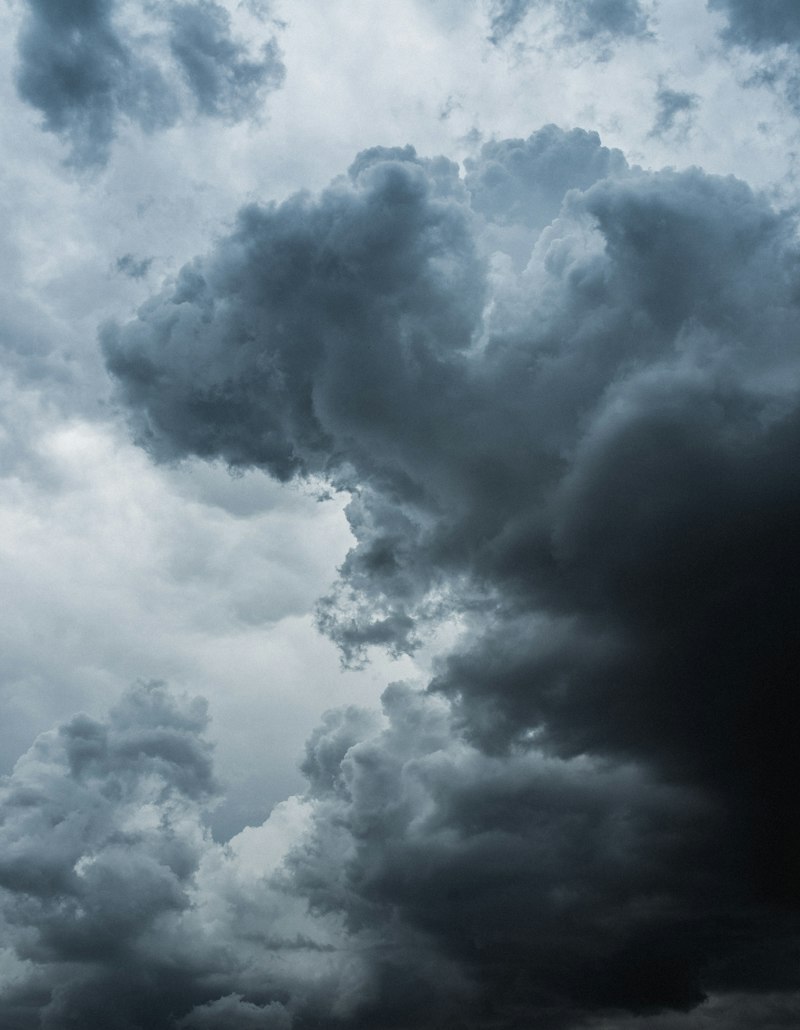
Mountains create their own microclimates. As air rises up a slope, it cools at roughly 6.5 degrees Celsius per 1,000 metres of elevation gain. This cooling causes moisture to condense, forming clouds and precipitation -- often with startling speed. A clear blue morning can transform into a thunderstorm by early afternoon, particularly during summer months.
The Role of Elevation
Orographic Lift and Rain Shadows
When prevailing winds push moist air against a mountain range, the windward side receives heavy rainfall while the leeward side sits in a rain shadow -- often surprisingly dry and sunny. This explains why the western slopes of the Andes are lush rainforest while the eastern Patagonian steppe is arid, and why the southern side of the Alps receives far more precipitation than the northern valleys.
Best Seasons for Mountain Travel by Region
The Himalayas (Nepal, Bhutan, Northern India)
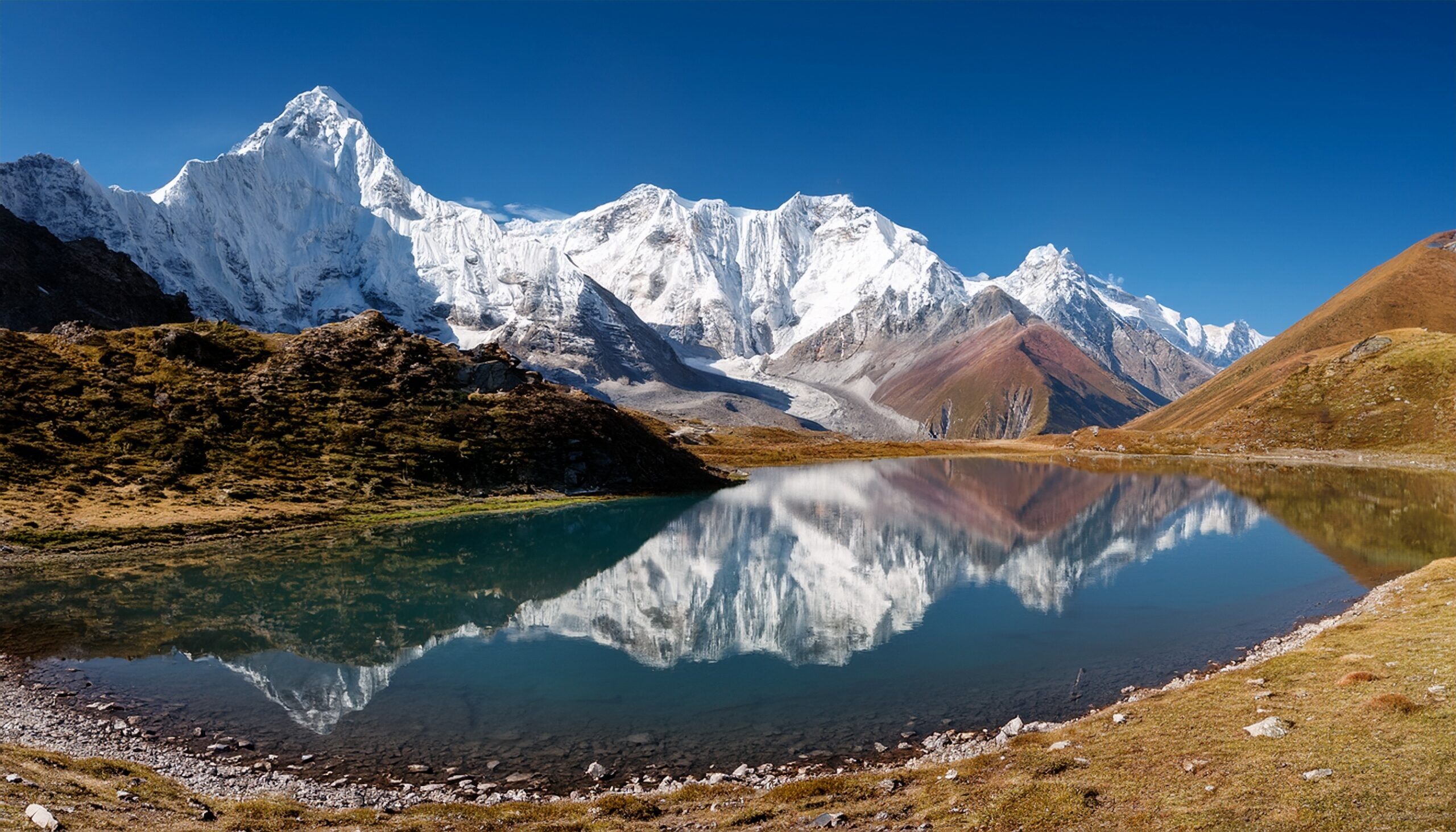
The pre-monsoon window (March to May) and the post-monsoon window (October to November) are the golden seasons for Himalayan trekking. Skies are clearest, trails are accessible, and temperatures at altitude are manageable.
The Alps (Switzerland, Austria, France, Italy)
The Andes (Peru, Bolivia, Ecuador, Chile)
The Andes straddle the equator, so seasons vary dramatically by latitude.
The Rockies (USA and Canada)
Browse more articles on our [blog](/blog) for destination-specific travel planning guides.
Essential Tips for Staying Safe in Mountain Weather
Watch the Sky, Not Just the Forecast
Mountain weather forecasts are improving but remain imperfect. Learn to read the sky:
The Alpine Start
Experienced mountain travellers use the alpine start -- setting out before dawn to reach exposed ridges and summits by mid-morning, well before afternoon storms develop. This single habit prevents the majority of weather-related mountain accidents.
Layering for Altitude
Pack clothing in three functional layers:
Even in summer, temperatures above 3,000 m can drop below freezing at night. Never underestimate the cold.
Altitude Sickness Awareness
Altitude sickness (acute mountain sickness, or AMS) affects many travellers above 2,500 m. Symptoms include headache, nausea, dizziness, and fatigue. The golden rule: ascend slowly, descend if symptoms worsen. Most itineraries recommend gaining no more than 300-500 m of sleeping altitude per day above 3,000 m.
Packing for Mountain Weather: A Practical Checklist
Planning Your Mountain Trip Around the Weather
The most important step is researching the specific weather window for your chosen destination and elevation. A trek at 2,000 m in the Alps in June is a very different proposition from a high-altitude crossing at 5,000 m in the Himalayas in October.
Use our [currency converter](/currency) to plan your budget for mountain gear and guided expedition costs, which vary significantly by region and season.
Mountain travel rewards those who prepare thoughtfully. Respect the weather, pack for the worst, and you will be free to enjoy some of the most breathtaking landscapes on Earth -- from the flower-carpeted meadows of the Alps to the ice-capped giants of the Himalayas.
The mountains are always worth it -- when you go prepared.