Iceland Cruise Guide: Fjords, Northern Lights, Midnight Sun and Wildlife Wonders
Explore Iceland by sea: dramatic fjords, erupting geysers, puffin colonies, and the Northern Lights on a cruise that reveals the island at its most spectacular.
Why an Iceland Cruise Is Unlike Any Other Voyage
Iceland sits at the edge of the Arctic Circle, a land of fire and ice where volcanoes smoulder beneath glaciers, geysers erupt on schedule, and the Northern Lights dance across winter skies. Exploring this extraordinary island by cruise ship offers a unique perspective — arriving at dramatic coastal landscapes by sea, stepping ashore to discover waterfalls, lava fields, and geothermal pools, then sailing on to the next wonder as the midnight sun or aurora borealis lights the sky above.
Iceland cruises have grown significantly in popularity over the past decade, and it is easy to understand why. The country's rugged coastline, accessible only by sea in many places, reveals a side of Iceland that road travellers rarely see. From the towering basalt columns of the Westfjords to the puffin colonies of the Westman Islands, an Iceland cruise delivers a succession of unforgettable moments.
When to Cruise Iceland
Iceland can be visited by cruise ship in two distinct seasons, each offering a completely different experience.
Summer Cruises (May to September)
Summer is the most popular time to cruise Iceland, and for good reason. The midnight sun means daylight around the clock, giving you maximum time ashore at each port. Wildlife is abundant — puffins nest on coastal cliffs from May to August, minke whales and humpbacks feed in the rich waters, and Arctic terns dive and swoop overhead. Wildflowers carpet the hillsides, and waterfalls run at full force from snowmelt.
Winter Cruises (October to March)
Winter cruises to Iceland are a growing niche, attracting travellers specifically seeking the Northern Lights. The aurora borealis is visible from Iceland between September and March, with peak activity in December and January. Winter cruises typically focus on the south and west coasts, where ports remain accessible despite the season.
Check live weather on our [city dashboard](/) for current conditions in Reykjavik and other Icelandic ports before your departure.
Key Ports and Highlights
Reykjavik
Most Iceland cruises begin or end in Reykjavik, the world's northernmost capital. This compact, walkable city punches well above its weight in culture, cuisine, and character. Key highlights include:
Day trips from Reykjavik on the famous Golden Circle route take in Thingvellir National Park (where the North American and Eurasian tectonic plates meet), the Geysir geothermal area, and the thundering Gullfoss waterfall.
Akureyri
Iceland's second city sits at the head of Eyjafjordur, the country's longest fjord, and serves as the gateway to the north. Akureyri is a charming town with a botanical garden, excellent restaurants, and a relaxed pace of life. From here, excursions venture to:
Isafjordur and the Westfjords
The Westfjords are Iceland's most remote and dramatic region, a series of deep fjords carved by glaciers into towering cliffs. Isafjordur, the main town, is a beautifully preserved historic settlement surrounded by mountains that plunge directly into the sea. Shore excursions here include hiking to remote valleys, visiting the Hornstrandir Nature Reserve, and spotting Arctic foxes — Iceland's only native land mammal.
Vestmannaeyjar (Westman Islands)
This archipelago off Iceland's south coast was formed by volcanic eruptions, the most recent of which occurred in 1973 and buried a third of the town of Heimaey under lava. Today, the islands are home to the world's largest puffin colony — an estimated 8-10 million birds nest here each summer. The Eldheimar Museum tells the remarkable story of the 1973 eruption and the community's recovery.
Use our [currency converter](/currency) to plan your budget — Iceland uses the Icelandic Krona (ISK), and prices can be high, so planning ahead helps you make the most of your time ashore.
What to Expect on an Iceland Cruise
Ship Types and Itineraries
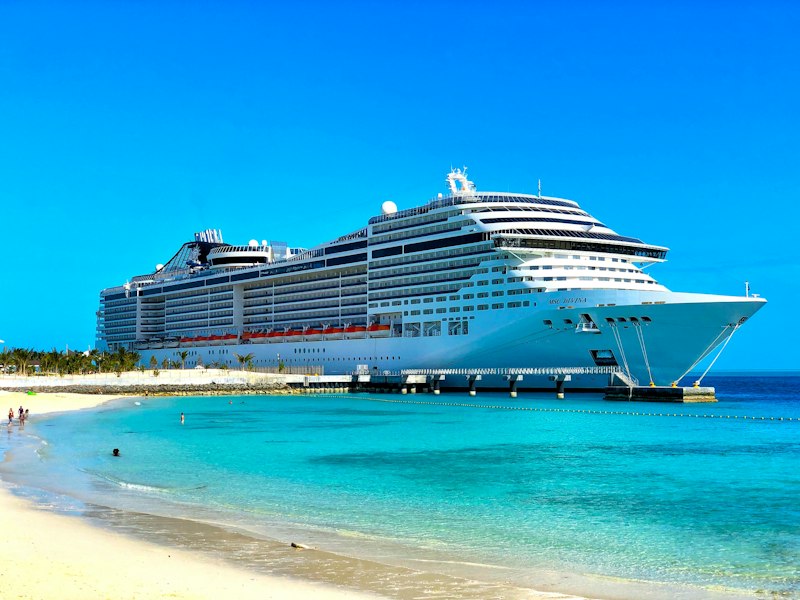
Iceland cruises range from large ocean liners carrying thousands of passengers to intimate expedition ships with fewer than 200 guests. Expedition ships offer the most immersive experience, with Zodiac landings on remote beaches, onboard naturalists and geologists, and the flexibility to adjust itineraries based on wildlife sightings and weather.
Typical itineraries run 7-14 days and may include:
Packing for an Iceland Cruise
Iceland's weather is famously unpredictable — sun, rain, wind, and even snow can occur in the same day, year-round. Essential packing includes:
Browse more articles on our [blog](/blog) for more cruise guides and destination inspiration.
Why Iceland by Sea Is the Ultimate Adventure
An Iceland cruise combines the comfort and convenience of a floating hotel with access to some of the planet's most dramatic and remote landscapes. Each day brings a new port, a new landscape, and a new set of experiences — whether that is hiking across a lava field, soaking in a geothermal pool, watching a geyser erupt, or simply standing on deck as the Northern Lights ripple overhead. For travellers who want to experience Iceland beyond the tourist trail, a cruise is the perfect way to explore this extraordinary island on its own terms.