Lisbon Travel Guide: Hills, Vintage Trams, and Atlantic Soul
Perched on seven hills above the Tagus River, Lisbon blends Moorish history, Art Nouveau architecture, and a vibrant food scene into one of Europe's most captivating capitals.
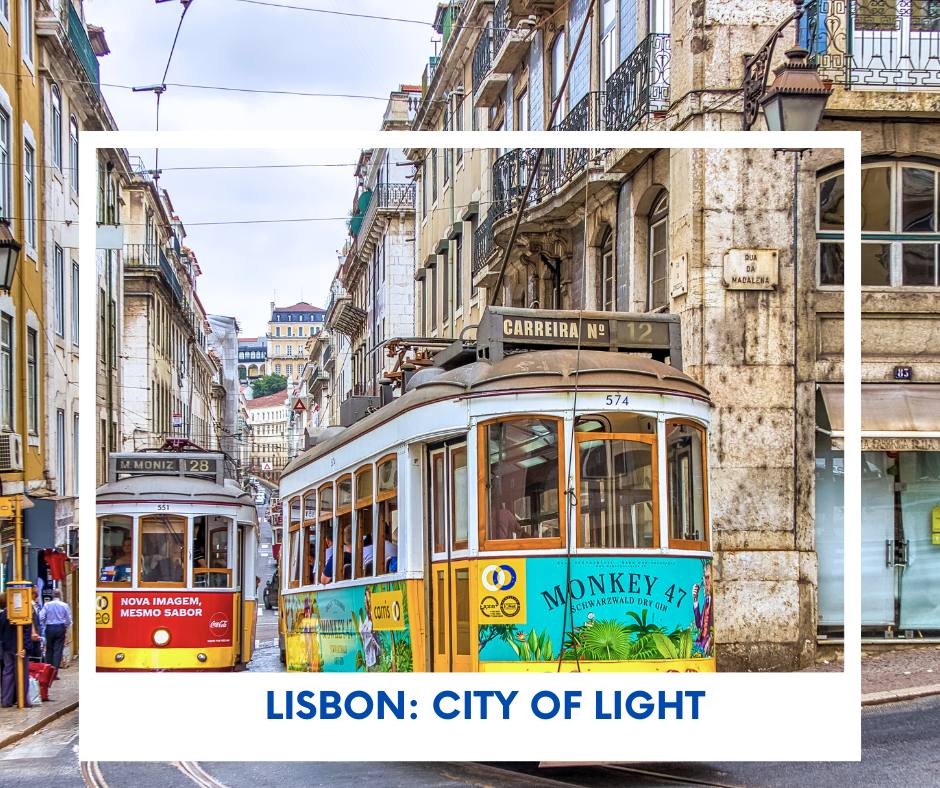
Why Lisbon Belongs on Every Traveler's List
For years, Lisbon was Europe's best-kept secret — a sun-drenched capital with world-class food, extraordinary history, and a relaxed pace of life that felt almost out of step with the modern world. That secret is well and truly out, but Lisbon has absorbed its new popularity with characteristic grace. The city remains deeply authentic, its neighborhoods still shaped by centuries of maritime history, Moorish architecture, and the melancholic musical tradition of fado.
Check live weather conditions on our [city dashboard](/) before you pack — Lisbon's Atlantic climate means mild winters and warm, dry summers, but the shoulder seasons bring occasional rain.
Exploring Lisbon's Iconic Neighborhoods
Alfama: The Ancient Heart
Alfama is Lisbon's oldest district, a labyrinth of narrow cobblestone lanes that tumbled down the hillside long before the rest of the city existed. This is where you'll find:
Alfama rewards slow exploration. Get deliberately lost in its alleys, follow the sound of fado drifting from an open window, and let the neighborhood reveal itself at its own pace.
Belém: Where the Age of Discovery Began
A short tram or bus ride west of the city center, Belém is where Portuguese explorers set sail for Africa, India, and the Americas in the 15th and 16th centuries. The neighborhood's monuments are among the most impressive in Europe:
Belém is also home to the original Pastéis de Belém bakery, where the famous Portuguese custard tarts (pastéis de nata) have been made to a secret recipe since 1837. The queue moves quickly and the tarts are worth every minute of waiting.
Bairro Alto and Chiado: Culture and Nightlife
Perched on one of Lisbon's hills, Bairro Alto transforms throughout the day. By afternoon it's a neighborhood of independent bookshops, vintage clothing stores, and quiet cafés. By night it becomes one of the city's liveliest areas, with dozens of bars and restaurants spilling onto the streets.
Adjacent Chiado is more polished — elegant squares, the famous A Brasileira café (a literary institution since 1905), and some of Lisbon's best contemporary restaurants.
Getting Around: Trams, Funiculars, and Your Own Two Feet
Lisbon's hills are beautiful and occasionally brutal. The city's historic transport network was built precisely to deal with them:
For most sightseeing, walking is the best option. Lisbon's compact center means most major attractions are within 30–45 minutes on foot, and the city's hills offer constantly changing views as you climb.
What to Eat in Lisbon
Lisbon's food scene is one of its greatest pleasures, built on exceptional seafood, quality olive oil, and centuries of culinary tradition.
Essential dishes to try:
For the freshest seafood, head to the Mercado da Ribeira (Time Out Market) or explore the restaurants along the waterfront in Belém and Alcântara.
Day Trips from Lisbon
Lisbon's location makes it an excellent base for exploring the surrounding region:
Browse more articles on our [blog](/blog) for detailed guides to each of these destinations.
Practical Tips for Visiting Lisbon
Lisbon rewards travelers who slow down. Give yourself at least four or five days — enough time to get lost in Alfama, watch the sun set over the Tagus from a miradouro, and discover the neighborhood tasca that becomes your favorite restaurant by the second visit.