Mediterranean Cruise Ports: Hidden Gems You Must Explore on Your Voyage
Discover the most captivating Mediterranean cruise ports beyond the tourist trail, from ancient ruins to sun-drenched villages and world-class cuisine.
Why the Mediterranean Remains the World's Most Beloved Cruise Destination
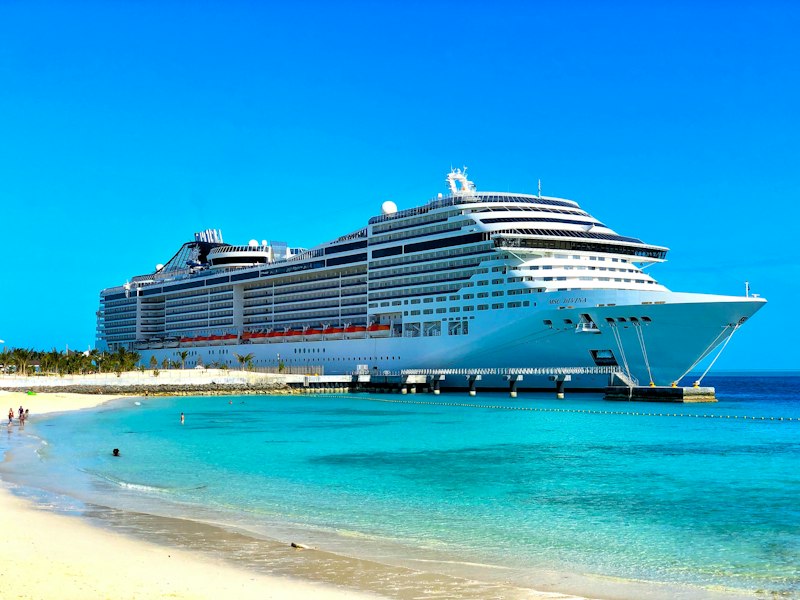
The Mediterranean Sea has captivated travellers for millennia, and for good reason. Stretching across three continents and touching more than twenty countries, this storied body of water offers an unmatched variety of cultures, cuisines, and landscapes within a single voyage. Whether you are a first-time cruiser or a seasoned sea traveller, the Mediterranean delivers something extraordinary at every port of call.
Modern cruise itineraries have evolved well beyond the classic stops at Barcelona, Rome, and Athens. Today's voyages venture into smaller, less-visited harbours where the authentic spirit of the Mediterranean still thrives undisturbed by mass tourism. This guide highlights some of the most rewarding ports you might encounter on your next Mediterranean cruise.
Kotor, Montenegro: A Walled City Frozen in Time
Tucked into a dramatic fjord-like bay on the Adriatic coast, Kotor is one of the Mediterranean's best-kept secrets. The medieval old town is encircled by ancient stone walls that climb steeply up the surrounding mountains, offering breathtaking panoramic views for those willing to make the ascent.
Inside the walls, narrow cobblestone lanes wind between Venetian-era palaces, Romanesque churches, and lively squares filled with outdoor cafes. The Cathedral of Saint Tryphon, dating back to the twelfth century, is a masterpiece of Romanesque architecture and houses a remarkable treasury of religious art.
Top tips for Kotor:
Check live weather on our [city dashboard](/) before your port day to plan your Kotor excursion perfectly.
Valletta, Malta: Europe's Smallest Capital with Outsized Charm
Malta's capital city packs an extraordinary amount of history, art, and culture into just 0.8 square kilometres, making it one of the most densely historic cities on earth. Valletta was built by the Knights of St John in the sixteenth century and has been remarkably well preserved, earning it UNESCO World Heritage status.
The city's Baroque architecture is stunning at every turn. The Co-Cathedral of St John conceals one of the most lavishly decorated interiors in Europe, with every inch of its walls and ceiling covered in gilded carvings and paintings. The Upper Barrakka Gardens offer sweeping views over the Grand Harbour, one of the finest natural harbours in the world.
What to experience in Valletta:
Dubrovnik, Croatia: The Pearl of the Adriatic
No Mediterranean cruise guide would be complete without Dubrovnik, and despite its fame, this Croatian gem continues to reward visitors with its extraordinary beauty. The old town's limestone streets gleam in the Adriatic sunlight, and the city walls that encircle it offer one of the most spectacular walks in all of Europe.
To make the most of your time in Dubrovnik, consider these strategies:
The Stradun, Dubrovnik's main promenade, is lined with elegant baroque buildings and leads to the Onofrio Fountain, a popular meeting point since the fifteenth century. Browse more articles on our [blog](/blog) for detailed guides to Croatia's other stunning coastal destinations.
Santorini, Greece: Iconic Caldera Views and Volcanic Beaches
Santorini's dramatic caldera, formed by a massive volcanic eruption thousands of years ago, creates one of the most photogenic landscapes on the planet. The island's clifftop villages of Oia and Fira, with their iconic white-washed buildings and blue-domed churches, have become symbols of Greek island beauty.
Beyond the famous views, Santorini offers remarkable experiences for curious travellers:
Practical Tips for Mediterranean Cruise Port Days
Making the most of limited port time requires some advance planning. Here are essential strategies for every Mediterranean cruise stop:
Book excursions wisely: Ship-organised tours guarantee you return on time but often cost more. Independent exploration is rewarding but requires careful time management.
Research walking distances: Many Mediterranean old towns are compact and best explored on foot. Check port maps in advance to understand distances from the pier.
Carry local currency: While euros are widely accepted across much of the Mediterranean, some ports in Croatia, Montenegro, and Turkey use local currencies. Use our [currency converter](/currency) to plan your budget and understand exchange rates before each port.
Stay hydrated: Mediterranean summers are intensely hot. Carry water, wear sunscreen, and plan indoor activities during the midday heat.
Respect local customs: Dress modestly when visiting churches and religious sites. Many Mediterranean churches require covered shoulders and knees for entry.
Choosing the Right Mediterranean Cruise Itinerary
Mediterranean cruises range from seven-night western Mediterranean loops to extended twenty-one-night grand voyages covering the entire sea. Consider these factors when selecting your itinerary:
The Mediterranean rewards those who venture beyond the obvious. Whether you find yourself wandering Valletta's Baroque streets, swimming in Santorini's volcanic waters, or climbing Kotor's ancient walls, each port offers a unique window into the rich tapestry of Mediterranean civilisation. Your next great adventure awaits just beyond the gangway.