Mediterranean Cruise Secrets: Hidden Ports Between Barcelona and Rome
Discover enchanting Mediterranean ports that most cruise passengers miss between Spain and Italy's iconic coastlines.
# Mediterranean Cruise Secrets: Hidden Ports Between Barcelona and Rome
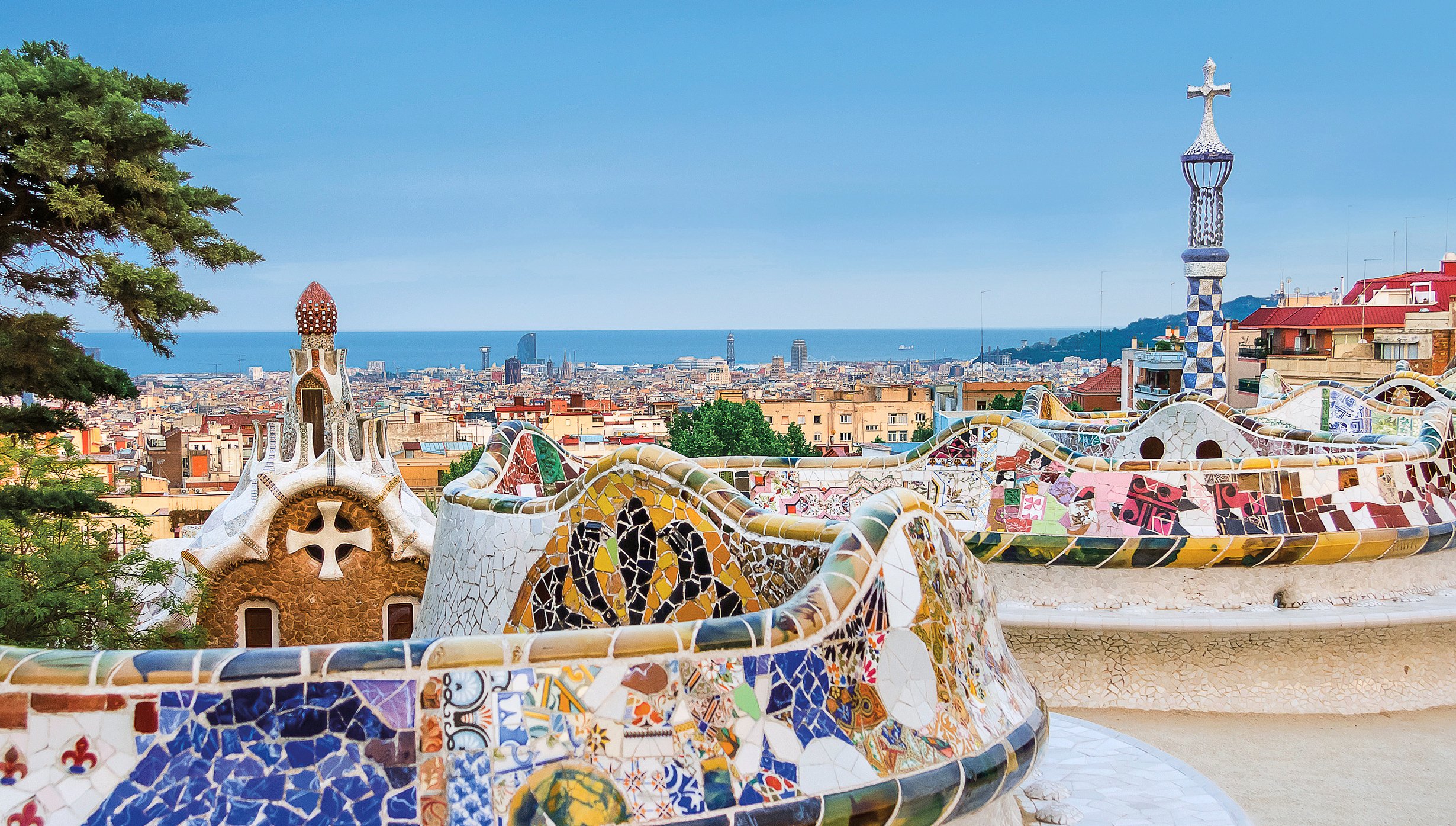
The classic Barcelona to Rome cruise route is one of the Mediterranean's most popular itineraries, but savvy travelers know that the magic lies not just in these iconic cities, but in the lesser-known ports that dot the coastline between them. While most passengers flock to the same overcrowded destinations, there's an entire world of charming coastal towns, pristine beaches, and authentic cultural experiences waiting to be discovered.
Why the Barcelona-Rome Route Deserves a Second Look
This legendary cruise route has been sailed for decades, yet it continues to evolve. The traditional stops—Barcelona, Marseille, Florence/Pisa (via Livorno), and Civitavecchia (Rome)—are undeniably magnificent, but they're also experiencing serious overtourism. Ships carrying 3,000+ passengers can overwhelm smaller ports, creating bottlenecks at popular attractions and diminishing the authentic experience you're seeking.
The solution? Focus on cruises that include alternative ports or plan independent excursions to nearby hidden gems. Many cruise lines now offer itineraries featuring ports like Palamós, Sète, Portoferraio, and Porto Santo Stefano—places where you'll find genuine Mediterranean culture without the cruise ship crowds.
Before booking your Mediterranean adventure, check our city explorer to compare weather patterns and peak seasons across different port cities. The Mediterranean climate varies significantly from west to east, and timing can make or break your experience.
Hidden Gems: Ports Worth Seeking Out
Palamós, Spain: Costa Brava's Best-Kept Secret
Located on Spain's stunning Costa Brava, Palamós offers everything you love about Barcelona—minus the overwhelming crowds. This working fishing port is famous for its gambas de Palamós (local prawns), considered among the finest in the Mediterranean. The town's fish auction is a fascinating morning spectacle, and the medieval old quarter feels wonderfully authentic.
What to do here:
Speaking of costs, Mediterranean ports use different currencies. Use our currency converter to budget accurately, as Spain uses euros while some Eastern Mediterranean ports may use different currencies depending on your extended itinerary.
Sète, France: The Venice of Languedoc
Sète remains blissfully overlooked despite being one of France's most charming port cities. Built on a network of canals, this artistic hub has inspired countless painters and writers. Unlike the glitz of nearby Marseille or Monaco, Sète maintains its working-class roots and authentic character.
Why Sète stands out:
The town is small enough to explore on foot, making it perfect for cruise passengers with limited time ashore. A half-day here feels more rewarding than a rushed day in overcrowded Nice.
Portoferraio, Elba: Napoleon's Island Exile
While most Mediterranean cruises dock at major Italian ports, smaller ships and selective itineraries include Portoferraio on the island of Elba. This is where Napoleon spent his first exile, and the island retains a distinct character separate from mainland Italy.
Portoferraio highlights:
The island's compact size means you can see major highlights in a single day, though many visitors wish they'd allocated more time here.
Porto Santo Stefano, Italy: Gateway to Argentario
This elegant port on Monte Argentario peninsula offers a more refined alternative to Rome's cruise port at Civitavecchia. The town cascades down hillsides to a picturesque harbor, and the surrounding area features some of Tuscany's most beautiful coastal scenery.
Don't miss:
Planning Your Alternative Mediterranean Cruise
Choosing the Right Cruise Line
Not all cruise lines visit these hidden ports. Smaller ships (carrying 500-1,500 passengers) are more likely to dock at alternative destinations. Consider these options:
Timing Your Voyage
The Mediterranean cruise season runs from April through November, but the sweet spots are:
Check our weather dashboard to compare actual conditions across your potential ports of call before finalizing your booking dates.
Budgeting Beyond the Cruise Fare
While cruise packages seem all-inclusive, budget for these additional costs:
For a 7-night Mediterranean cruise, budget an additional €800-1,200 per person beyond the base fare.
Making the Most of Your Port Days
Skip the Organized Excursion (Sometimes)
Cruise line excursions offer convenience and the guarantee that the ship won't leave without you, but they're often overpriced and formulaic. In smaller ports like Palamós, Sète, and Portoferraio, you can easily explore independently.
Independent exploration tips:
Immerse Yourself in Local Culture
The beauty of smaller Mediterranean ports is the opportunity for authentic experiences:
The Future of Mediterranean Cruising
The cruise industry is evolving, with increased focus on sustainable tourism and overtourism management. Many popular ports now limit the number of ships that can dock simultaneously, and some cities (like Venice) have banned large cruise ships entirely from historic centers.
This shift benefits travelers seeking authentic experiences. As major ports implement restrictions, cruise lines are discovering—and rediscovering—smaller ports that offer equally rich experiences without the environmental and cultural strain.
The Barcelona-Rome route isn't going anywhere, but how we experience it is changing. By seeking out hidden ports and approaching the journey with curiosity rather than a checklist mentality, you'll discover a Mediterranean that most cruise passengers never see.
Before you set sail, explore our travel blog for more destination guides, packing tips, and insider advice for making the most of your Mediterranean adventure. The sea is calling—and the lesser-known ports are waiting to share their secrets.