Monsoon Season Travel Guide: Best Destinations to Embrace the Rain
Discover why monsoon season is the secret to lush landscapes, fewer crowds, and unforgettable travel experiences around the world.
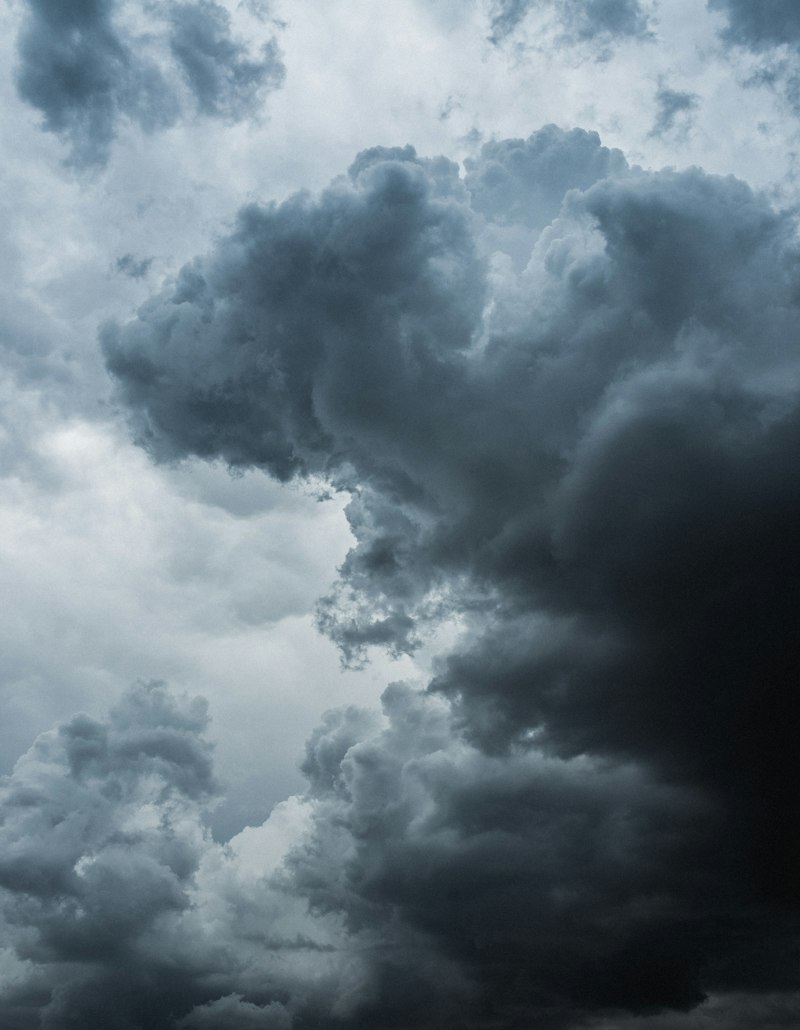
Why Monsoon Season Deserves a Second Look
Most travellers instinctively avoid the rainy season, but seasoned explorers know a secret: monsoon season transforms destinations into something truly magical. Lush green valleys, thundering waterfalls, misty mountain peaks, and dramatically reduced tourist numbers make the wet season one of the most rewarding times to travel. If you plan carefully and pack the right gear, monsoon travel can be the highlight of your year.
The key is understanding that not all rain is created equal. Monsoon showers often arrive in predictable afternoon bursts, leaving mornings bright and clear. Landscapes that look parched and dusty in dry season burst into vivid emerald life. Wildlife congregates around water sources. And hotel rates? They can drop by 30 to 50 percent compared to peak season.
Check live weather on our [city dashboard](/) before you book to see real-time conditions at your destination.
Top Destinations for Monsoon Travel
Sri Lanka: Emerald Island in Full Bloom
Sri Lanka's monsoon season runs from May through August on the southwest coast and October through January on the northeast. The trick is to visit the coast that is currently in its dry season while the other side receives rain. The central highlands around Ella and Kandy, however, are spectacular year-round, with waterfalls swelling to dramatic proportions during the wet months.
Bali, Indonesia: Spiritual Serenity in the Rain
Bali's wet season runs from November through March, but this is when the island reveals its most authentic face. Rice terraces in Ubud and Tegallalang fill with water, creating mirror-like reflections of the sky. Waterfalls like Gitgit and Sekumpul reach their peak flow, and the jungle surrounding them is impossibly lush.
The rain typically arrives in late afternoon, leaving mornings perfect for temple visits and outdoor exploration. Balinese ceremonies and festivals continue regardless of weather, and you may find yourself the only visitor at sacred sites that are packed during high season.
Vietnam: From North to South, Chasing the Dry Spell
Vietnam's elongated shape means that when the north is wet, the south is often dry, and vice versa. The central coast around Hoi An and Da Nang receives its heaviest rain from October through December, while the south around Ho Chi Minh City sees monsoon from May through November.
Pro tip: The Mekong Delta is particularly beautiful during the wet season, when the river swells and the surrounding countryside floods into a vast, shimmering wetland. Boat trips through floating markets and stilted villages take on a completely different character when the water is high.
Practical Tips for Monsoon Travel
What to Pack
Packing smart makes the difference between a miserable soggy trip and an exhilarating adventure:
Timing Your Activities
The golden rule of monsoon travel is to schedule outdoor activities in the morning. In most tropical destinations, rain arrives between 2 and 5 pm and often clears by evening. This means you can:
Health and Safety Considerations
Monsoon travel requires a few extra precautions:
Hidden Benefits of Travelling in the Rain
Beyond the practical advantages of lower prices and fewer crowds, monsoon travel offers experiences that simply do not exist in dry season:
Waterfalls at their peak: Many of the world's most famous waterfalls are underwhelming trickles during dry season. Monsoon transforms them into roaring curtains of white water. Iguazu Falls in South America, Dudhsagar Falls in India, and Kuang Si Falls in Laos are all dramatically more impressive after heavy rain.
Agricultural landscapes: Rice paddies, tea estates, and vegetable farms are at their most photogenic when freshly watered. The terraced rice fields of Bali, the Yunnan highlands in China, and the hill country of Sri Lanka look like living paintings during the growing season.
Wildlife encounters: Animals congregate around water sources during dry season, making them easier to spot. But during monsoon, the abundance of water means wildlife spreads out and behaves more naturally. Bird watching in particular is exceptional, as migratory species arrive and resident birds engage in breeding behaviour.
Browse more articles on our [blog](/blog) for destination-specific guides to help you plan your monsoon adventure.
Budget Advantages: Making the Most of Low Season
The financial case for monsoon travel is compelling. Beyond hotel discounts of 30 to 50 percent, you will find:
A trip that might cost $3,000 in peak season can often be done for $1,800 to $2,000 during monsoon, with a better overall experience. Use our [currency converter](/currency) to plan your budget and see exactly how far your money will go at your chosen destination.
Final Thoughts: Embrace the Rain
Monsoon travel is not for everyone, and that is precisely what makes it special. The travellers who venture out in the rain discover a version of the world that the crowds never see: waterfalls in full thunder, landscapes in vivid green, and local life continuing at its natural rhythm without the performance that peak season tourism can bring.
Pack your rain jacket, check the forecast, and embrace the wet season. You might just find that the rain is the best thing that ever happened to your travels.
:max_bytes(150000):strip_icc()/TAL-header-french-riviera-nice-france-SHLDRBEACH0923-327af5de377446ecb568f9d34da33589.jpg)
