Southeast Asia Weather Guide: Monsoon, Dry Season, and the Best Times to Visit
Navigate Southeast Asia's dramatic weather patterns and discover the perfect time to visit Thailand, Bali, Vietnam, and beyond.

Southeast Asia is one of the world's most rewarding travel regions — but its weather can make or break your trip. From the lush green landscapes of the monsoon season to the golden skies of the dry season, understanding the climate is the key to planning an unforgettable journey.
Check live weather on our [city dashboard](/) before you book to see real-time conditions across Southeast Asia's top destinations.
Understanding Southeast Asia's Two Main Seasons
Unlike temperate regions with four distinct seasons, most of Southeast Asia operates on a two-season cycle: the wet season (monsoon) and the dry season. The timing and intensity of these seasons vary significantly by country and even by coast.
The Wet Season (May to October)
The southwest monsoon sweeps across the region from May through October, bringing heavy rainfall, lush vegetation, and fewer tourists. While the word "monsoon" might sound off-putting, the reality is often far more manageable than travellers expect:
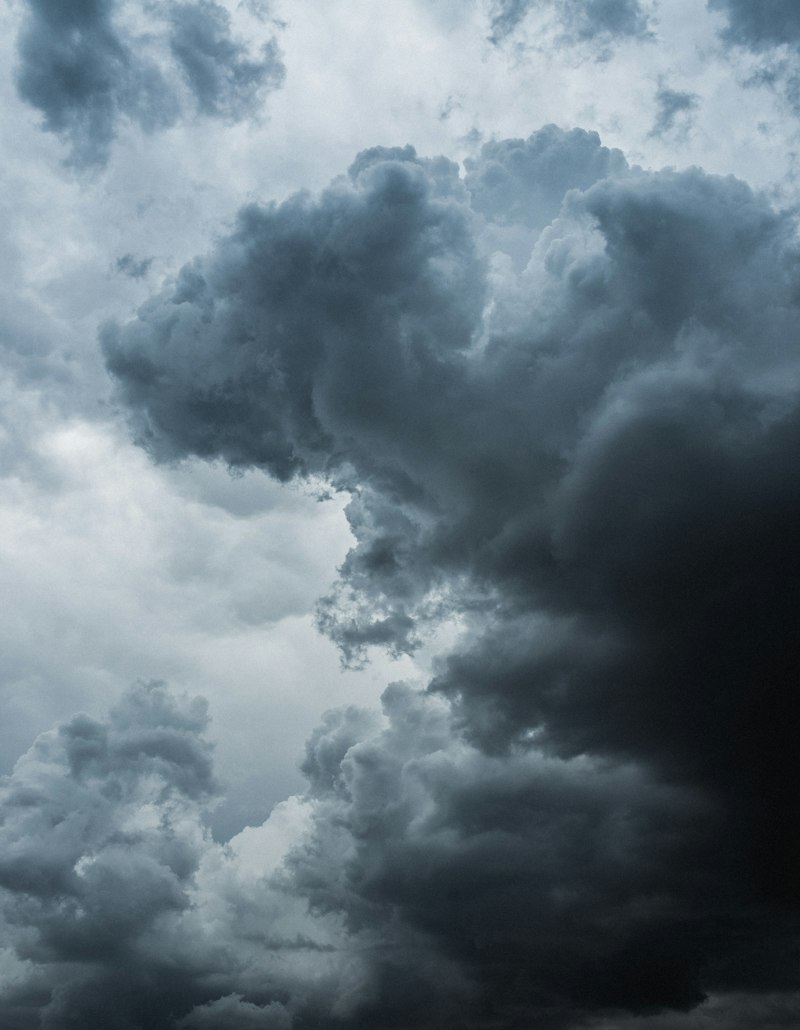
However, some areas — particularly the Gulf of Thailand coast and parts of the Philippines — can experience severe storms and flooding during peak monsoon months.
The Dry Season (November to April)
The northeast monsoon brings cooler, drier air to most of Southeast Asia from November through April. This is peak travel season, with clear skies, calm seas, and ideal beach conditions. Expect:
Country-by-Country Weather Breakdown
Thailand
Thailand's weather varies dramatically between its regions. Bangkok and central Thailand are best visited from November to February, when temperatures are cooler and rainfall is minimal. Chiang Mai and the north share a similar pattern, with the added bonus of spectacular misty mornings in the hills during December and January.
The Gulf of Thailand coast (Koh Samui, Koh Phangan) follows a reversed pattern — its dry season runs from January to September, while the Andaman coast (Phuket, Krabi) is best from November to April.
Bali, Indonesia
Bali enjoys a tropical climate year-round, but the dry season from April to October is widely considered the best time to visit. July and August are peak months with the most reliable sunshine, though they're also the busiest and most expensive.
The wet season (November to March) brings daily rainfall but also spectacular rice paddy scenery and excellent surf conditions on the west coast. Many travellers find that April, May, and September offer the perfect balance — good weather without the peak-season crowds.
Vietnam
Vietnam's elongated shape means it has three distinct climate zones:
For a full-country itinerary, February to April offers the best compromise across all regions.
Cambodia and Myanmar
Cambodia (including Angkor Wat) is best visited from November to March. The dry season keeps the temples accessible and the heat manageable. Myanmar follows a similar pattern, with November to February being the prime window for exploring Bagan, Inle Lake, and Mandalay.
Packing Smart for Southeast Asia's Weather
Regardless of when you travel, packing for Southeast Asia requires some thought:
Browse more articles on our [blog](/blog) for destination-specific packing guides and travel tips.
Shoulder Season: The Savvy Traveller's Secret
The transition months between seasons — April to May and October to November — are often the best times to visit Southeast Asia for experienced travellers. You'll find:
April is particularly special in Thailand, Cambodia, and Myanmar, when the Songkran water festival transforms cities into joyful celebrations of the traditional new year.
Planning Your Budget Around the Weather
Weather directly impacts travel costs across Southeast Asia. Use our [currency converter](/currency) to plan your budget and understand how seasonal price fluctuations affect your spending power.
During peak dry season (December to February), expect to pay premium prices for beachfront accommodation in popular destinations. Booking three to six months in advance is strongly recommended for this period. During the wet season, last-minute deals are common, and many guesthouses offer significant discounts to attract guests.
Final Thoughts
Southeast Asia's weather is as diverse as its cultures, cuisines, and landscapes. The "best" time to visit depends entirely on your priorities — whether that's perfect beach weather, lush green scenery, budget savings, or avoiding the crowds. By understanding the regional patterns and planning accordingly, you can craft a journey that's perfectly suited to your travel style, whatever the season.
:max_bytes(150000):strip_icc()/TAL-header-french-riviera-nice-france-SHLDRBEACH0923-327af5de377446ecb568f9d34da33589.jpg)