Rainy Season Travel Guide: Best Destinations to Visit When It Pours
Discover why the rainy season is the best-kept secret for savvy travellers seeking lush landscapes, fewer crowds, and lower prices.
Why the Rainy Season Deserves a Second Look
Most travellers instinctively avoid destinations during their rainy season, picturing endless downpours and ruined holidays. But seasoned explorers know a different truth: the rainy season can be one of the most rewarding times to travel. Landscapes burst into vivid green, waterfalls roar at their most spectacular, wildlife congregates around water sources, and tourist numbers drop dramatically -- meaning you get more of the world to yourself.
The key is knowing which destinations shine in the rain and how to plan around the weather patterns. Not all rainy seasons are created equal. Some bring brief afternoon showers that clear within an hour; others deliver sustained monsoon rains that reshape entire ecosystems. Understanding the difference transforms a potential travel headache into an unforgettable adventure.
Check live weather on our [city dashboard](/) before you book to see real-time conditions at your destination.
Southeast Asia: Lush Jungles and Waterfall Wonders
Southeast Asia's rainy season (roughly May through October in most countries) is when the region truly comes alive. Bali, Indonesia receives most of its rainfall between November and March, but the shoulder months of October and April offer a magical mix of occasional showers and brilliant sunshine. The rice terraces of Ubud glow an almost supernatural green, and the island's famous waterfalls -- Tegenungan, Sekumpul, and Gitgit -- thunder with impressive force.
Vietnam is particularly rewarding during its rainy periods. The north experiences its wet season from May to September, while the south is wettest from May to November. Ha Long Bay takes on an ethereal, misty quality during light rain, with limestone karsts emerging from low clouds like something from a classical painting. The ancient town of Hoi An, meanwhile, handles rain with characteristic charm -- locals simply don their traditional conical hats and continue about their day.
Thailand's rainy season (June to October) brings the country's famous waterfalls to peak flow. Erawan National Park's seven-tiered cascade in Kanchanaburi becomes a thundering spectacle, and the jungle trails of Khao Yai National Park are alive with wildlife seeking the abundant water sources.
Practical Tips for Southeast Asia in the Rain
East Africa: The Green Season Safari Secret
Africa's rainy seasons -- known as the "green season" -- are among the best-kept secrets in travel. Kenya and Tanzania receive short rains from October to December and long rains from March to May. During these periods, the savannah transforms from dusty brown to lush emerald, and the dramatic skies create extraordinary photography conditions.
The green season offers several compelling advantages for safari enthusiasts. Newborn animals are abundant, as many species time their births to coincide with the rains and the resulting flush of nutritious grass. Bird watching reaches its peak, with migratory species joining resident populations. And crucially, prices drop significantly -- some lodges offer 30-40% reductions during the green season, making luxury safari experiences accessible to a wider range of travellers.
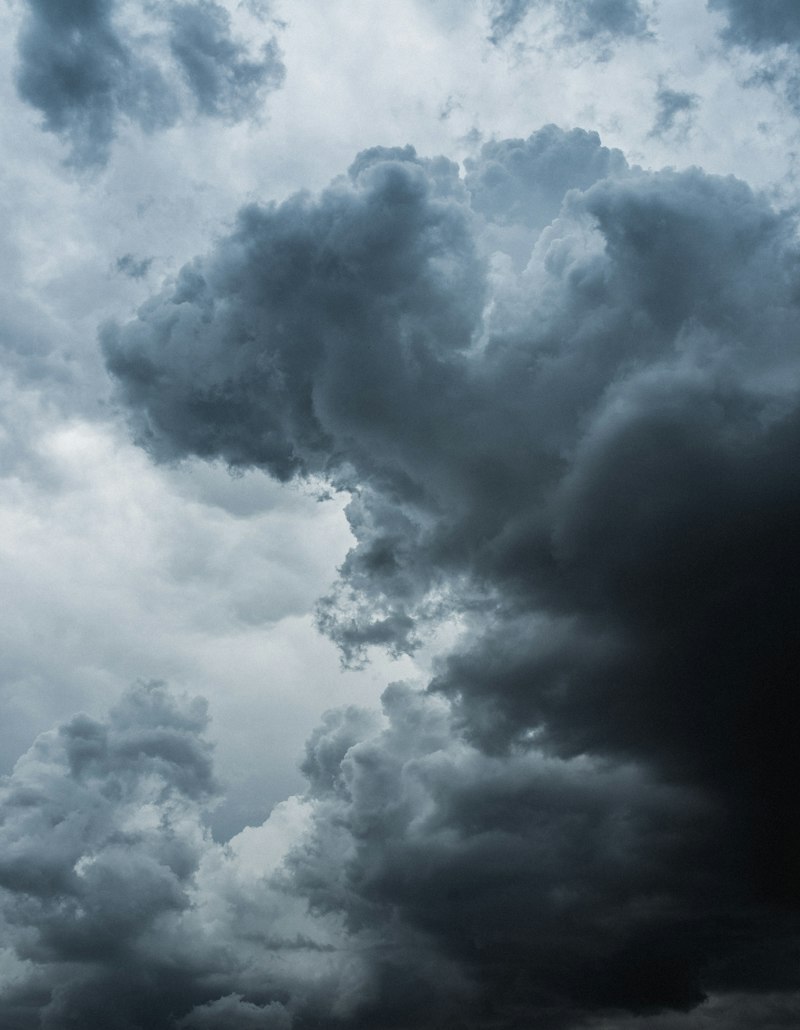
The Masai Mara in Kenya and the Serengeti in Tanzania remain excellent for wildlife viewing even in the rain. Lions, elephants, and giraffes don't disappear when it rains -- they simply become easier to spot against the green backdrop, and the dramatic storm clouds make for spectacular photography.
Browse more articles on our [blog](/blog) for detailed safari planning guides and destination-specific advice.
Central America: Waterfalls, Rainforests, and Surf
Costa Rica is arguably the world's best rainy season destination. The country's Pacific coast receives its heaviest rainfall from May to November, but this is precisely when the rainforest is at its most spectacular. The Monteverde Cloud Forest drips with moisture, orchids bloom in profusion, and the country's famous biodiversity -- including resplendent quetzals, poison dart frogs, and howler monkeys -- is easier to spot than during the dry season.
The Osa Peninsula, home to Corcovado National Park, receives some of the highest rainfall in Central America, and this is exactly what makes it one of the most biodiverse places on Earth. Guided hikes through the park during the rainy season reveal an astonishing density of wildlife, from scarlet macaws to tapirs and pumas.
Belize offers a similar proposition. The rainy season (June to November) brings lush jungle conditions and excellent diving on the Belize Barrier Reef, as visibility often improves after rain clears surface sediment. The ancient Maya ruins of Tikal in neighbouring Guatemala take on an almost mystical quality when wreathed in morning mist.
What to Pack for Rainy Season Travel
Europe: Off-Season Charm in the Rain
Even Europe has its rainy season rewards. Portugal's Atlantic coast receives significant rainfall from October to March, but this is when Lisbon and Porto are at their most authentic. The famous *saudade* -- that bittersweet Portuguese longing -- feels most palpable on a rainy afternoon in a traditional *tasca*, nursing a glass of port wine and listening to fado music.
Scotland is famously wet, but the rain is part of its character. The Highlands in autumn and winter, when mist clings to the glens and waterfalls cascade down rocky hillsides, offer some of the most dramatic scenery in Europe. The whisky distilleries of Speyside and Islay are particularly welcoming during wet weather, offering warm drams and fascinating tours.
Iceland receives rain year-round, but the shoulder seasons of September-October and March-April offer the best combination of manageable weather and spectacular natural phenomena, including the Northern Lights and the midnight sun.
Planning Your Rainy Season Trip
The most important factor in rainy season travel is flexibility. Build buffer days into your itinerary, choose accommodation with good indoor facilities, and embrace the unexpected. Some of the most memorable travel moments happen when plans change due to weather -- a sudden downpour that leads you into a local cafe, a misty morning that transforms a familiar landmark into something magical.
Use our [currency converter](/currency) to plan your budget and take advantage of the significant savings that rainy season travel offers. With lower accommodation rates, cheaper flights, and reduced entrance fees at many attractions, your travel budget can stretch considerably further during the wet season.
The rain, ultimately, is not the enemy of travel. It is simply another dimension of the world's extraordinary variety -- one that most travellers never experience because they follow the crowds to the dry season. Step off that well-worn path, and you may find that the world looks most beautiful when it is wet.