Seychelles Cruise Guide: Island Hopping, Coral Reefs and Indian Ocean Luxury
A Seychelles cruise offers access to 115 granite and coral islands scattered across the Indian Ocean. Discover the best routes, ports, and experiences for an unforgettable voyage.
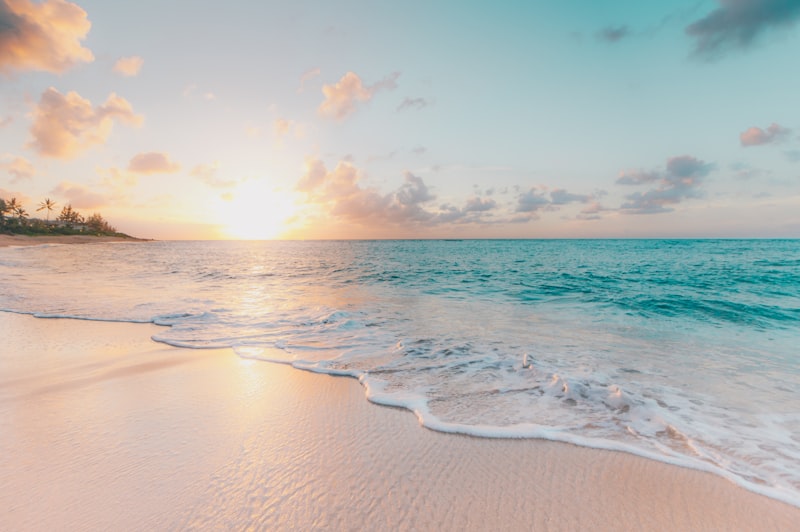
Cruising the Seychelles: An Indian Ocean Paradise
The Seychelles archipelago, scattered across the western Indian Ocean northeast of Madagascar, is one of the world's most extraordinary cruise destinations. Comprising 115 islands, the Seychelles offers a remarkable diversity of landscapes: ancient granite boulders rising from turquoise lagoons, pristine coral atolls barely above sea level, and dense tropical forests sheltering some of the planet's rarest wildlife.
Unlike many cruise destinations, the Seychelles is best explored by sea. Many of the most beautiful islands have no airport and limited accommodation, making a cruise the ideal way to experience the archipelago's full splendour. Small-ship and expedition cruises are particularly well-suited to the Seychelles, allowing access to anchorages that larger vessels cannot reach.
Check live weather on our [city dashboard](/) for current conditions across the Seychelles islands before planning your voyage.
The Main Islands: What to Expect at Each Port
Mahe: The Gateway Island
Mahe is the largest island in the Seychelles and home to the capital, Victoria, which is one of the world's smallest capital cities. Most Seychelles cruises begin or end here, and the island rewards a day or two of exploration before or after your voyage.
Victoria is a charming, compact city with a colourful market (Sir Selwyn Selwyn-Clarke Market) selling fresh tropical fruits, spices, and local crafts. The city's famous clock tower, a miniature replica of London's Vauxhall Clock Tower, stands at the heart of the town centre.
Beyond the capital, Mahe's interior is dominated by the Morne Seychellois National Park, which covers nearly a third of the island and protects dense tropical forest, rare orchids, and the endemic Seychelles black parrot. The park's hiking trails offer spectacular views over the island's granite peaks and turquoise bays.
Praslin: Home of the Coco de Mer
Praslin is the second-largest island and home to the Valle de Mai, a UNESCO World Heritage Site that shelters the endemic coco de mer palm. This extraordinary tree produces the world's largest seed, a double coconut that can weigh up to 25 kilograms. The valley feels primeval, its towering palms filtering the light into a green cathedral.
Praslin's beaches are among the finest in the Seychelles. Anse Lazio consistently ranks among the world's best beaches, with powder-white sand, clear water, and dramatic granite boulders framing the bay. Anse Georgette is equally beautiful and less visited, accessible by a short walk through a hotel property.
La Digue: Timeless Island Life
La Digue is the Seychelles at its most unspoiled. The island has no traffic lights and very few cars; the primary mode of transport is bicycle. Life moves at a gentle pace, and the island's famous Anse Source d'Argent beach, with its extraordinary pink granite formations and shallow turquoise water, is one of the most photographed beaches on earth.
The island's interior is home to the L'Union Estate, a former coconut plantation that now operates as a nature reserve. Giant Aldabra tortoises roam freely here, and visitors can observe these ancient creatures at close range.
Outer Islands: The Seychelles Beyond the Crowds
Aldabra Atoll: A UNESCO World Heritage Wilderness
Aldabra is one of the world's largest coral atolls and one of its most remote. Located 1,100 kilometres southwest of Mahe, it is accessible only by expedition cruise or private charter. The atoll is home to the world's largest population of giant tortoises (approximately 100,000 individuals), as well as frigatebirds, boobies, and the flightless Aldabra rail.
Visiting Aldabra requires a permit from the Seychelles Islands Foundation, and numbers are strictly limited to protect the ecosystem. For those who make the journey, it is an experience of extraordinary rarity.
Bird Island: Seabird Spectacle
Bird Island, at the northern edge of the Seychelles plateau, lives up to its name. From May to October, the island hosts one of the world's largest colonies of sooty terns, with over a million birds nesting on the island's flat terrain. The noise and spectacle are overwhelming and unforgettable.
The island also has a resident population of giant tortoises, including Esmeralda, believed to be the world's oldest living tortoise at over 170 years of age.
Best Time to Cruise the Seychelles
The Seychelles has two distinct seasons governed by the trade winds:
April to May and October to November are the transition periods between the trade winds, offering the calmest seas and most settled weather. These months are ideal for cruising, with light winds, clear skies, and excellent visibility for snorkelling and diving.
May to September brings the southeast trade winds (the Anse), which can make the western coasts of the main islands choppy but keep the eastern coasts calm. This is the best season for diving around Mahe and Praslin.
November to March sees the northwest monsoon, bringing warmer temperatures and occasional heavy rain. Seas can be rough, particularly around the outer islands.
Practical Cruise Information
Choosing Your Vessel
The Seychelles is best explored on a small ship or yacht charter rather than a large cruise liner. Most anchorages are too shallow for large vessels, and the intimate scale of the islands suits smaller groups.
Currency and Costs
The Seychellois Rupee (SCR) is the local currency, though US dollars and euros are widely accepted at hotels and restaurants. The Seychelles is a premium destination, and costs reflect this. Use our [currency converter](/currency) to compare prices and plan your onboard and shore excursion budget.
Visa and Entry
Most nationalities receive a free visitor's permit on arrival, valid for up to 30 days and extendable. No advance visa application is required for most passport holders.
Conservation and Responsible Travel
The Seychelles takes marine conservation seriously. Several marine national parks protect coral reefs, and fishing restrictions apply in many areas. When snorkelling or diving:
The Seychelles is a destination that rewards those who travel thoughtfully. Its extraordinary biodiversity and pristine landscapes are the result of decades of conservation effort, and every visitor has a role in protecting them for future generations. Browse more articles on our [blog](/blog) for more Indian Ocean cruise guides and island travel inspiration.