Shoulder Season Travel Guide: Best Months for Fewer Crowds and Lower Prices
Discover why travelling in shoulder season gives you the best of both worlds: great weather, thinner crowds, and significantly lower costs.
:max_bytes(150000):strip_icc()/TAL-header-french-riviera-nice-france-SHLDRBEACH0923-327af5de377446ecb568f9d34da33589.jpg)
What Is Shoulder Season and Why Does It Matter?
Every destination has its peak season, its off-season, and the often-overlooked sweet spot in between: shoulder season. These transitional months, typically spring and autumn in temperate regions, offer a compelling combination of reasonable weather, manageable crowds, and prices that can be dramatically lower than peak-season rates.
For savvy travellers, shoulder season is not a compromise. It is frequently the optimal time to visit. You get the destination closer to its authentic self, with locals going about their daily lives rather than being overwhelmed by tourist infrastructure. Restaurants have tables available. Museums are navigable. Beaches have space to breathe.
Check live weather on our [city dashboard](/) to see current conditions at your next destination before you book.
Europe's Shoulder Season: April-May and September-October
Spring in Southern Europe
April and May transform the Mediterranean into one of the world's most pleasant travel environments. Temperatures in Spain, Italy, Greece, and Portugal typically range from 18 to 25 degrees Celsius, warm enough for outdoor dining and coastal walks but not the intense heat of July and August.
Key advantages of spring shoulder season in Europe:
The Amalfi Coast in May is particularly spectacular. The lemon trees are in bloom, the sea is calm and clear, and the clifftop villages feel genuinely Italian rather than overwhelmingly touristic.
Autumn in Northern Europe
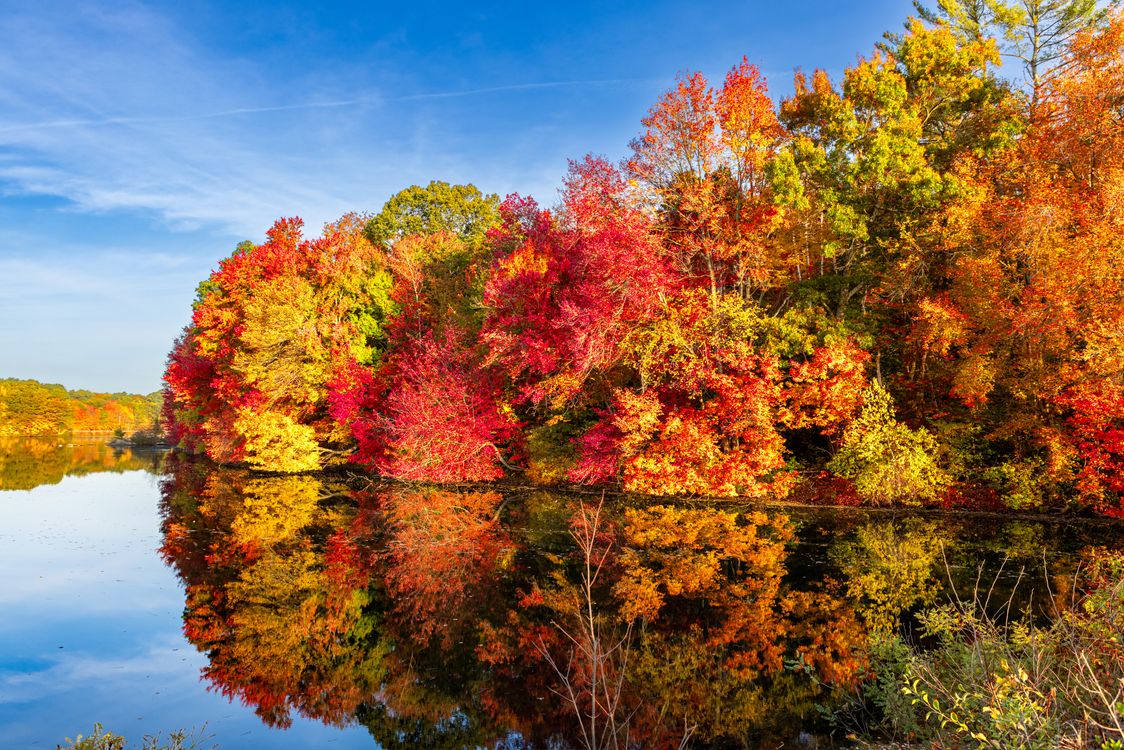
September and October bring golden light and cooling temperatures to Scandinavia, the British Isles, and Central Europe. This is arguably the most beautiful time to visit cities like Amsterdam, Prague, Vienna, and Edinburgh.
Southeast Asia: Navigating the Monsoon Shoulder
Southeast Asia's shoulder season requires more nuance because the region's weather patterns vary significantly by country and even by coast.
Thailand's Sweet Spots
Thailand's shoulder seasons fall in April-May and October-November. April is hot and humid but sees fewer visitors than the December-February peak. November is often considered the ideal month: the rains have ended, the landscape is lush and green, temperatures are comfortable, and tourist numbers have not yet reached their December peak.
Practical tips for Thailand shoulder season:
Bali's Transitional Months
Bali's shoulder seasons in April-May and September-October offer a genuine alternative to the crowded July-August peak. Rice terraces are at their most photogenic after the rains, waterfalls are full and dramatic, and the island's spiritual calendar often features fascinating ceremonies during these months.
Browse more articles on our [blog](/blog) for destination-specific weather guides and travel planning tips.
The Americas: Spring and Autumn Advantages
Patagonia's Shoulder Season
Patagonia in November and March-April offers conditions that many experienced trekkers prefer to the peak January-February period. November brings the first wildflowers and fewer hikers on the famous W Trek in Torres del Paine. March and April offer stable weather, autumn colours on the beech forests, and a quieter experience on the trails.
Key considerations:
Mexico's Shoulder Season
Mexico's shoulder seasons vary by region. The Yucatan Peninsula is excellent in November and April-May: the intense summer heat has passed or not yet arrived, hurricane season is over or ending, and the cenotes and Mayan ruins are far less crowded than during the Christmas-January peak.
Mexico City is genuinely pleasant year-round but particularly enjoyable in October-November when the famous Day of the Dead celebrations bring extraordinary cultural experiences to the streets and cemeteries of the capital.
Practical Tips for Shoulder Season Travel
Booking Strategy
Packing for Transitional Weather
Shoulder season weather is inherently variable. The key is layering:
Managing Weather Expectations
Shoulder season means accepting some weather variability. A rainy afternoon in Tuscany in April is not a disaster; it is an opportunity to linger over a long lunch with local wine. A cool morning in Kyoto in November makes the autumn maple viewing even more atmospheric. Flexibility and a positive mindset transform variable weather from a problem into part of the experience.
Conclusion: The Case for Shoulder Season
The mathematics of shoulder season travel are compelling: lower prices, thinner crowds, and often genuinely beautiful conditions. But the real argument is experiential. Shoulder season travel puts you in contact with destinations as they actually are, not as they perform for peak-season visitors. You eat where locals eat, move at a human pace through famous sites, and return home with a more authentic sense of the places you visited.
Check live weather on our [city dashboard](/) to plan your shoulder season adventure with real-time conditions at your fingertips.