Shoulder Season Travel: Why Spring and Autumn Are the Best Times to Go
Fewer crowds, lower prices, and stunning scenery — shoulder season travel offers the best of every destination without the summer chaos or winter chill.
What Is Shoulder Season and Why Does It Matter?
Every destination has a peak season when tourists flood in, prices spike, and queues stretch around the block. It also has an off-season when the weather turns and visitor numbers drop sharply. Sandwiched between these two extremes is the shoulder season — typically spring (March to May) and autumn (September to November) in the Northern Hemisphere — and it's arguably the best time to travel almost anywhere.
Shoulder season travelers enjoy a rare combination: the destination is still fully operational, the weather is often pleasant, and the crowds have thinned enough to actually enjoy the experience. Check live conditions at your destination with our [city dashboard](/) before you book.
The Weather Sweet Spot
One of the biggest misconceptions about shoulder season is that the weather is unreliable. In reality, spring and autumn often deliver some of the most comfortable travel conditions of the year.
Spring Highlights
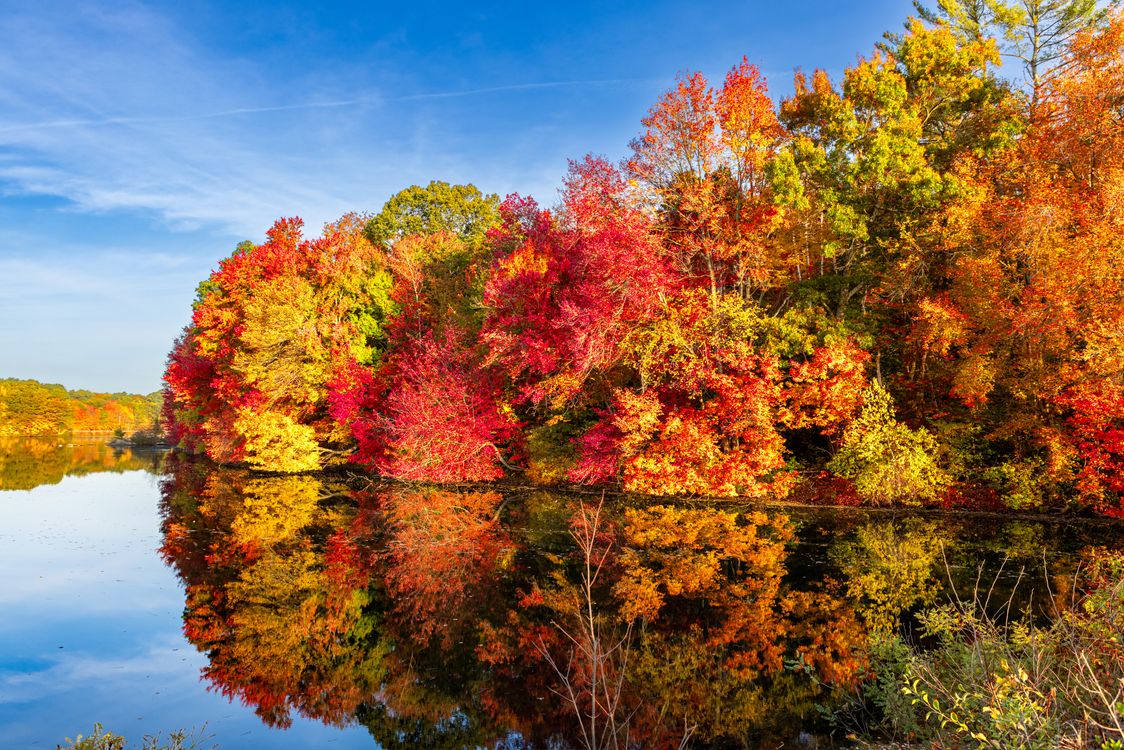
Autumn Highlights
The Price Advantage
Shoulder season savings are real and significant. Across most destinations, you can expect:
Use our [currency converter](/currency) to plan your budget — and remember that your money goes further when accommodation and transport costs are lower.
The Crowd Factor: A Genuine Game-Changer
If you've ever queued for 90 minutes to enter a museum, fought for space on a viewpoint, or struggled to find a quiet corner of a famous beach, you understand the crowd problem. Shoulder season fundamentally changes the experience of visiting iconic places.
What changes when crowds thin:
The Louvre in October feels like a completely different museum than the Louvre in July. The same is true of the Colosseum, Machu Picchu, Angkor Wat, and virtually every other major attraction on earth.
Practical Considerations for Shoulder Season Travel
Shoulder season travel isn't without its quirks. A few things to keep in mind:
Always check current weather forecasts on our [city dashboard](/) so you know exactly what to pack and plan for.
Top Shoulder Season Destinations by Region
Europe
Portugal in October offers warm Atlantic beaches, golden light, and prices a fraction of August. Prague in April is magical before the summer tour groups arrive. The Scottish Highlands in May are green, dramatic, and blissfully quiet.
Asia
Southeast Asia's shoulder seasons vary by country, but October–November and March–April generally offer the best balance of dry weather and manageable crowds across Thailand, Vietnam, and Cambodia.
The Americas
Costa Rica in December–January (technically early dry season) offers lush landscapes from the recent rains and far fewer visitors than February–April. Peru in May is ideal — the rainy season has just ended, Machu Picchu is green and clear, and the crowds haven't peaked.
Africa
East Africa's shoulder seasons (June and October) offer excellent wildlife viewing at lower prices than the peak July–September safari season, with the added bonus of dramatic skies and lush vegetation.
Making the Most of Your Shoulder Season Trip
The formula for a great shoulder season trip is simple: research the specific destination's climate patterns, identify the two or three weeks when weather is reliably good but peak season hasn't started (or has just ended), and book with confidence. You'll spend less, see more, and come home with a travel experience that feels genuinely unhurried — which is, after all, the whole point.
:max_bytes(150000):strip_icc()/TAL-header-french-riviera-nice-france-SHLDRBEACH0923-327af5de377446ecb568f9d34da33589.jpg)