Shoulder Season Weather in Europe: Why Spring and Autumn Are Perfect for Travel
Fewer crowds, lower prices, and beautiful weather make Europe's shoulder seasons a traveller's best-kept secret. Here's your complete guide.
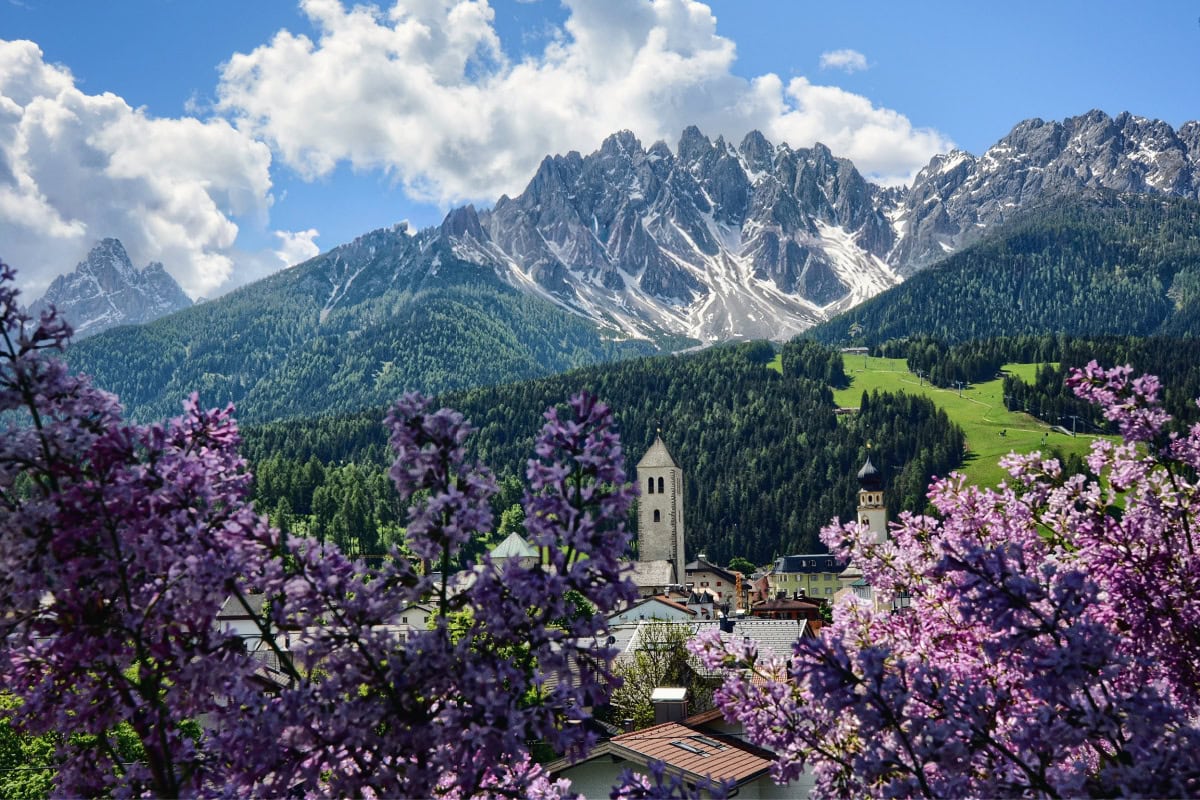
The Case for Travelling Europe Off-Peak
Every summer, millions of travellers descend on Europe's most iconic destinations — the Colosseum in Rome, the Eiffel Tower in Paris, the Acropolis in Athens — and find themselves queuing for hours in sweltering heat, surrounded by crowds, and paying peak-season prices for everything from flights to gelato. But there's a better way. Europe's shoulder seasons — roughly March to May in spring and September to November in autumn — offer a compelling alternative: pleasant weather, dramatically thinner crowds, and prices that can be 30–50% lower than summer peaks.
Check live weather on our [city dashboard](/) to see current conditions at your European destination before you book.
Spring in Europe: March to May
Spring is arguably Europe's most beautiful season. As winter retreats, the continent bursts into colour — cherry blossoms in Amsterdam's Vondelpark, wildflowers carpeting the hills of Tuscany, and lavender beginning to bloom in Provence.
What to Expect by Month
March: Still cool across most of northern Europe, but the Mediterranean coast — southern Spain, Portugal, and the Greek islands — begins to warm pleasantly. Expect temperatures of 12–18°C in the south and 5–12°C further north. Rain is possible but rarely persistent.
April: One of the most rewarding months to visit. Temperatures climb across the continent, flowers are in full bloom, and Easter festivities bring vibrant local celebrations to cities and villages alike. The Netherlands' tulip fields peak in mid-April — a spectacular sight with far fewer visitors than summer.
May: Often considered the sweet spot of European travel. Temperatures are warm but not oppressive (18–25°C across most of the continent), school holidays haven't started, and the tourist infrastructure is fully operational. This is an excellent month for hiking in the Alps, cycling through the Loire Valley, or island-hopping in Greece.
Spring Highlights
Autumn in Europe: September to November
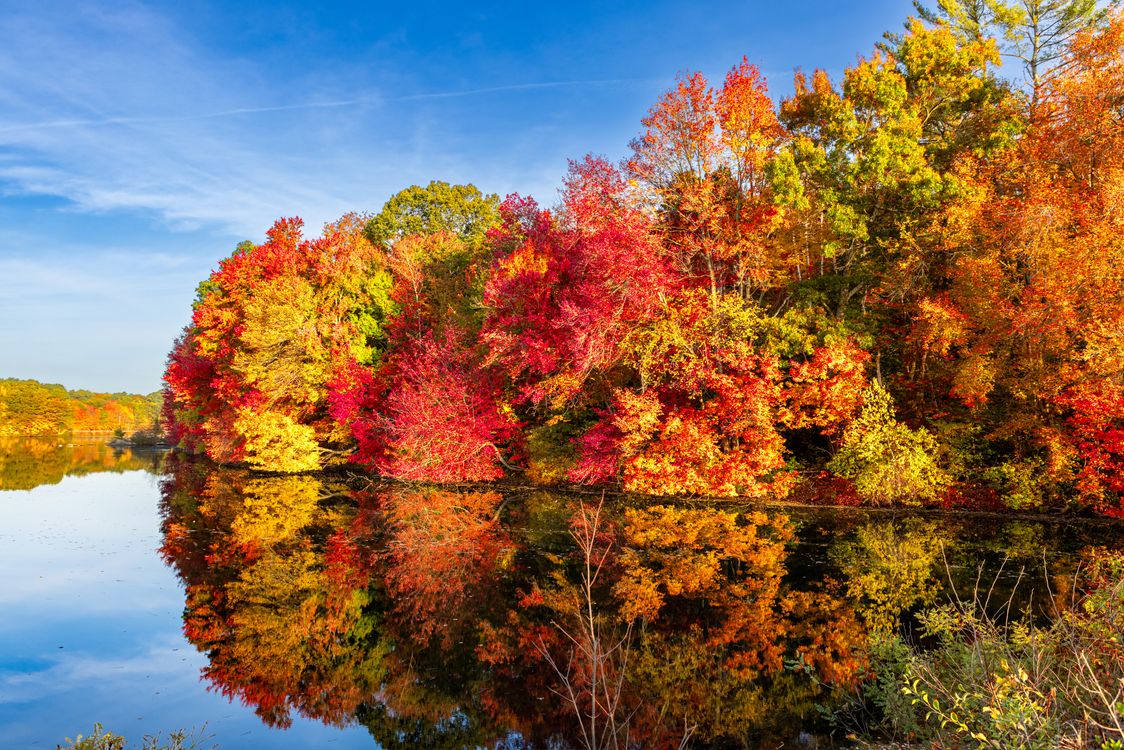
Autumn brings its own magic to Europe. The summer crowds have thinned, the light turns golden, and the landscape transforms with the colours of the season.
What to Expect by Month
September: Often the best month of the year across southern Europe. Temperatures remain warm (22–28°C in the Mediterranean), the sea is at its warmest for swimming, and the summer crowds have largely departed. This is an ideal time for the Amalfi Coast, the Greek islands, and the Croatian Adriatic.
October: Temperatures cool pleasantly across the continent. This is harvest season — wine regions from Bordeaux to Tuscany to the Douro Valley are alive with activity. Autumn foliage begins to colour the forests of Germany, Austria, and Scandinavia. Halloween celebrations add a festive dimension to cities like Dublin and Edinburgh.
November: The quietest month, with the lowest prices and smallest crowds. Northern Europe turns cold and grey, but the Mediterranean remains mild. Christmas markets begin to open in Germany, Austria, and the Czech Republic from late November, offering a magical atmosphere.
Autumn Highlights
Browse more articles on our [blog](/blog) for destination-specific guides to Europe's best seasonal experiences.
Packing for Shoulder Season
The key to shoulder season travel is layering. Mornings and evenings can be cool even when afternoons are warm, and weather can shift quickly — especially in spring. A good packing list includes:
Practical Tips for Shoulder Season Travel
Check live weather on our [city dashboard](/) to plan your packing and itinerary with up-to-date forecasts for any European city.
Conclusion
Europe's shoulder seasons offer a travel experience that summer simply can't match: authentic encounters with local culture, landscapes at their most beautiful, and the freedom to explore without fighting crowds. Whether you choose the fresh blooms of spring or the golden warmth of autumn, you'll find a continent that feels genuinely welcoming — and a travel budget that goes considerably further.
:max_bytes(150000):strip_icc()/TAL-header-french-riviera-nice-france-SHLDRBEACH0923-327af5de377446ecb568f9d34da33589.jpg)