Shoulder Season Weather Guide: Best Months to Travel Europe Affordably
Discover Europe's sweet spot between peak crowds and off-season closures — the shoulder season months that offer perfect weather and fewer tourists.
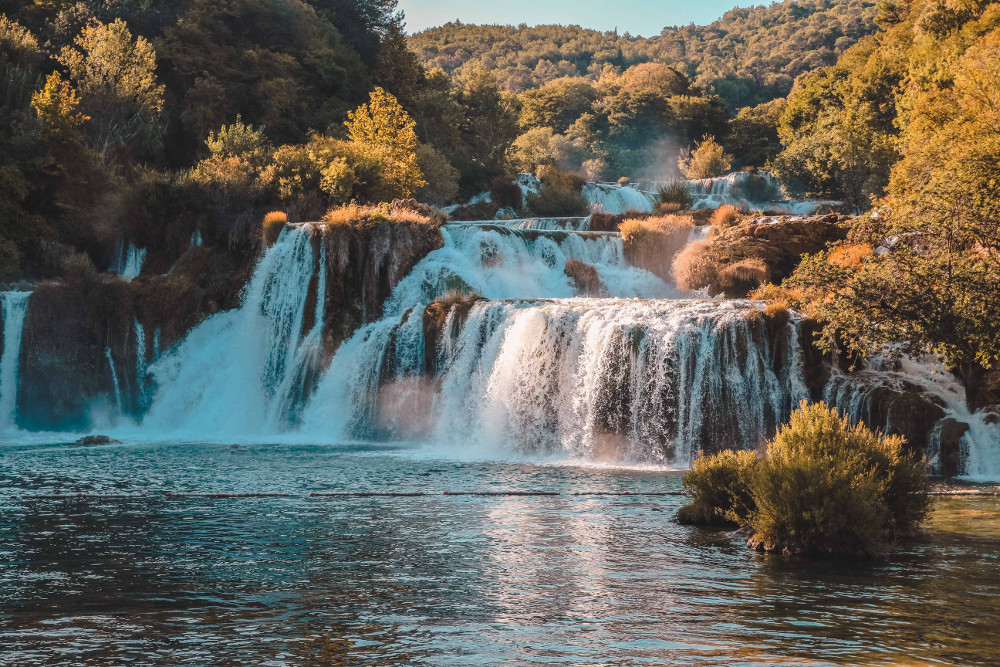
What Is Shoulder Season and Why Does It Matter?
Every seasoned traveller knows the frustration of peak season travel: sky-high prices, queues stretching around famous landmarks, and hotels booked solid months in advance. But travelling in the depths of winter means shorter days, some attractions closed, and weather that can dampen even the most enthusiastic explorer's spirits.
Enter shoulder season — the golden windows of spring and autumn that sit between these extremes. For European travel in particular, shoulder season represents some of the finest conditions you'll ever experience: mild temperatures, manageable crowds, lower prices, and landscapes at their most photogenic.
Check live weather on our [city dashboard](/) to see current conditions in any European city before you book.
Spring Shoulder Season: April to Mid-June
Southern Europe: The Mediterranean Awakens
By April, the Mediterranean coastline is shaking off winter with remarkable energy. In Spain, the famous spring festivals fill cities with colour and music, while temperatures in Barcelona and Seville hover between 18–24°C — warm enough for café terraces, cool enough for comfortable sightseeing.
Italy in April and May is arguably at its most beautiful. Rome's ancient sites are bathed in golden light without the crushing summer heat. The Amalfi Coast blooms with wildflowers, and the famous lemon groves are in full, fragrant production. Expect temperatures of 16–22°C across most of central and southern Italy.
Greece comes alive in May, when the islands are green and lush before the summer sun bakes them golden. Santorini and Mykonos are accessible and atmospheric without the August crowds, and accommodation prices can be 30–50% lower than peak season.
Northern and Central Europe: Spring Blooms
The Netherlands in April is synonymous with tulip season — the famous Keukenhof gardens near Amsterdam display over seven million flowers in a spectacle that draws visitors from around the world. Temperatures are cool (10–15°C) but refreshing, and the flat cycling landscape is at its most inviting.
Prague and Vienna in May offer some of their finest weather: long days, temperatures around 18–20°C, and the city's magnificent architecture glowing in spring light. Outdoor café culture returns with enthusiasm, and the famous music festivals begin their summer programmes.
Paris in late April and May is the city at its most romantic — chestnut trees in bloom along the boulevards, outdoor markets overflowing with spring produce, and the Eiffel Tower gleaming in clear skies. Temperatures of 15–20°C make walking the city's arrondissements a genuine pleasure.
Autumn Shoulder Season: September to October
The Mediterranean in Golden Light
September is arguably the finest month to visit much of southern Europe. The summer crowds have thinned, but the sea remains warm enough for swimming (typically 22–25°C in the Mediterranean), and temperatures on land have dropped to a comfortable 24–28°C.
Croatia's Dalmatian Coast in September is spectacular — the Adriatic is crystal clear, the old towns of Dubrovnik and Split are walkable without the summer crush, and fresh seafood is at its seasonal peak. Prices for accommodation drop noticeably from August highs.
Portugal in October offers some of Europe's most pleasant autumn weather. Lisbon and Porto enjoy temperatures of 18–22°C, and the Alentejo wine region is in the midst of harvest season — a wonderful time to explore vineyards and taste the year's new wines.
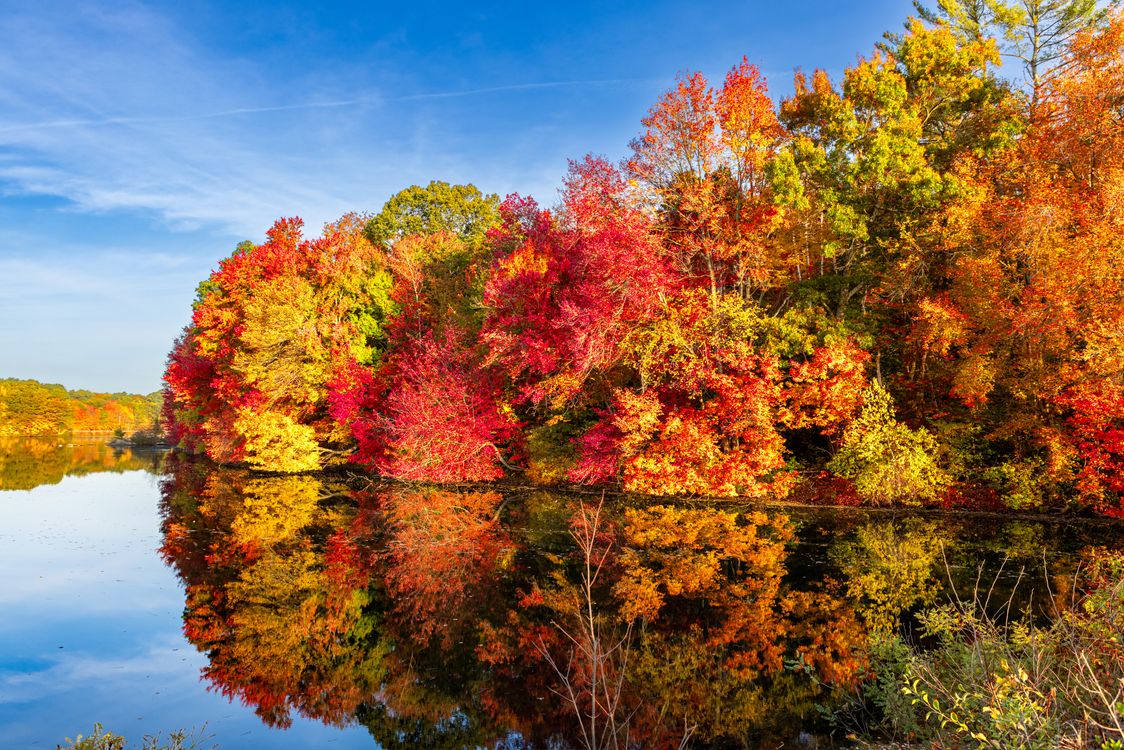
Tuscany in October is the stuff of travel dreams: rolling hills draped in autumn gold and russet, truffle season in full swing, and the famous Chianti wine harvest underway. The light at this time of year has a warmth and quality that photographers travel specifically to capture.
Northern Europe: Autumn Colour
Scandinavian countries offer extraordinary autumn experiences. Norway's fjords take on dramatic character in September and October, with mist rolling through the valleys and the first hints of the Northern Lights appearing in the night sky from late September onwards.
Scotland in October is magnificent for those who appreciate wild, atmospheric landscapes. The Highlands blaze with heather and bracken in shades of amber and copper, and the famous whisky distilleries welcome visitors with particular warmth as the season turns.
Browse more articles on our [blog](/blog) for destination-specific seasonal guides across Europe and beyond.
Practical Weather Tips for Shoulder Season Travel
Pack for Variability
Shoulder season weather is characterised by its pleasant unpredictability. A warm afternoon can give way to a cool evening; a sunny morning might see afternoon showers. The key is layering:
Book Accommodation Early, But Not Too Early
While shoulder season offers more flexibility than peak summer, popular destinations still fill up — particularly for weekends and around local festivals. Booking 4–8 weeks in advance typically strikes the right balance between availability and price.
Take Advantage of Extended Daylight
Spring shoulder season in particular offers the joy of long evenings — by May, much of Europe enjoys daylight until 9pm or later. This dramatically extends your sightseeing day and creates magical golden-hour conditions for photography at famous landmarks.
The Financial Case for Shoulder Season
Beyond the weather and crowd advantages, shoulder season makes compelling financial sense. Across Europe, you can typically expect:
Check live weather on our [city dashboard](/) to compare conditions across multiple European cities and find your perfect shoulder season window.
:max_bytes(150000):strip_icc()/TAL-header-french-riviera-nice-france-SHLDRBEACH0923-327af5de377446ecb568f9d34da33589.jpg)