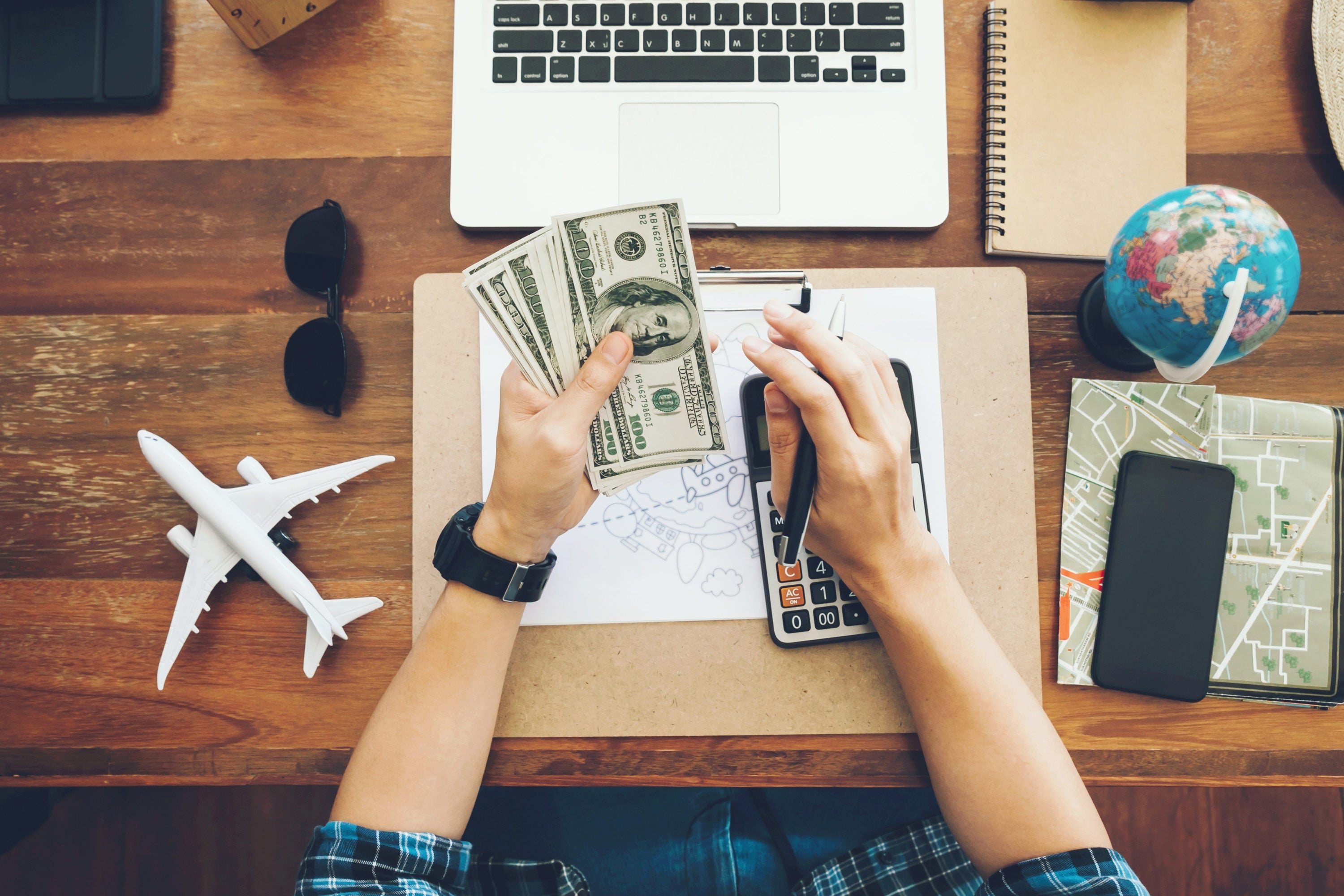
Currency Exchange Secrets Every Traveller Needs to Know Before Going Abroad
Stop losing money on bad exchange rates. These insider currency tips will help you stretch your travel budget further than ever before.

Why Currency Exchange Rates Matter More Than You Think
Every time you travel internationally, you enter a hidden financial game where the rules are rarely explained upfront. The difference between a savvy currency exchange and a careless one can mean hundreds of dollars lost -- money that could have funded an extra night in a boutique hotel, a cooking class, or a memorable boat tour.
Understanding how exchange rates work is the first step toward protecting your travel budget. The mid-market rate (also called the interbank rate) is the true exchange rate you see on Google or financial news sites. This is the rate banks use when trading with each other. Every exchange service -- whether a bank, airport kiosk, or currency bureau -- adds a markup on top of this rate. Your job as a traveller is to minimise that markup.
Use our [currency converter](/currency) to plan your budget and compare rates before you leave home.
The Worst Places to Exchange Currency (And Why to Avoid Them)
Airport Currency Kiosks
Airport exchange booths are notoriously expensive. They capitalise on the fact that you've just landed, you need local cash immediately, and you have no time to shop around. Markups at airport kiosks can range from 5% to 15% above the mid-market rate. On a $1,000 exchange, that's up to $150 lost before you've even left the terminal.
If you must exchange at the airport, only convert a small amount -- enough for a taxi and your first meal. Exchange the bulk of your money once you've settled in.
Hotel Front Desks
Hotels offer currency exchange as a convenience service, not a competitive one. Rates are typically worse than airport kiosks. The convenience is real, but the cost is steep. Avoid this option entirely if possible.
Tourist-Area Exchange Bureaus
Those bright signs advertising "0% commission" in tourist districts are almost always misleading. The zero commission is offset by a terrible exchange rate. Always calculate the effective rate you're receiving, not just the headline fee.
The Best Ways to Access Local Currency Abroad
Use a No-Fee International Debit Card
Cards from providers like Wise, Revolut, or Charles Schwab (in the US) offer exchange rates very close to the mid-market rate with minimal or zero foreign transaction fees. These cards withdraw local currency directly from ATMs abroad at excellent rates.
Key tips for ATM withdrawals:
Notify Your Bank Before Departure
Even if you plan to use a travel-specific card, notify your primary bank of your travel dates and destinations. This prevents fraud alerts from freezing your account when you make purchases abroad -- a stressful situation that can leave you without access to funds.
Order Currency in Advance Through Your Bank
Many banks allow you to order foreign currency online and have it delivered to a branch or your home before departure. Rates are usually better than airport kiosks, and you avoid the stress of scrambling for cash on arrival.
Browse more articles on our [blog](/blog) for destination-specific money tips.
Smart Budgeting Strategies for International Travel
The 70-20-10 Travel Budget Rule
A practical framework many experienced travellers use:
Track Spending in Local Currency
One of the most common budgeting mistakes is mentally converting every purchase back to your home currency. This creates decision fatigue and slows you down. Instead, set a daily budget in the local currency and track against that. Apps like Trail Wallet or TravelSpend make this simple.
Understand Tipping Customs Before You Arrive
Tipping norms vary dramatically by country. In Japan, tipping is considered rude. In the United States, 18-20% is standard at restaurants. In many European countries, rounding up the bill is sufficient. Knowing local customs prevents both under-tipping (awkward) and over-tipping (unnecessary expense).
Protecting Yourself from Currency Scams
The "Friendly Stranger" Scam
In some tourist-heavy cities, strangers approach travellers offering to exchange currency at "better rates" than official bureaus. This is almost always a scam involving counterfeit notes or sleight-of-hand tricks. Never exchange money with individuals on the street.
Counterfeit Notes
When receiving change or exchanging currency, take a moment to examine the notes. Familiarise yourself with the security features of the local currency before you travel -- most central bank websites publish guides. If a note feels wrong, politely decline it.
Dynamic Currency Conversion (DCC)
When paying by card abroad, merchants and ATMs sometimes offer to charge you in your home currency instead of the local one. This sounds convenient but almost always results in a worse exchange rate. Always choose to pay in the local currency and let your card's bank handle the conversion.
Building a Currency Strategy for Your Next Trip
The most financially savvy travellers treat currency management as part of their pre-trip planning, not an afterthought. Here is a simple checklist:
Use our [currency converter](/currency) to plan your budget and lock in your expectations before you fly. A little preparation goes a long way toward making your travel money work harder for every adventure ahead.