Travel Budgeting Secrets to Make Your Money Go Further Abroad
Discover proven strategies to stretch your travel budget without sacrificing comfort or experiences on your next international adventure.

Why Smart Budgeting Transforms Your Travel Experience
Traveling internationally does not have to drain your savings. With the right financial strategies in place before you even board your flight, you can explore more destinations, stay longer, and enjoy richer experiences without the constant anxiety of watching your wallet. The difference between a stressful trip and a liberating adventure often comes down to how well you plan your money.
Whether you are heading to Southeast Asia, Europe, or South America, the principles of smart travel budgeting remain consistent. Understanding exchange rates, minimizing fees, and knowing when to spend versus save are skills that pay dividends on every journey.
Use our [currency converter](/currency) to plan your budget before you depart and get a clear picture of what your money is worth at your destination.
Mastering Exchange Rates Before You Go
Research the Real Rate
The exchange rate you see on financial news sites is called the interbank rate, and it is the best possible rate. Banks and currency exchange booths typically add a markup of 2 to 5 percent on top of this. Knowing the real rate helps you spot a bad deal immediately.
Timing Your Currency Exchange
Currency markets fluctuate constantly, and timing your exchange can save meaningful amounts on longer trips. If your home currency has been strengthening against your destination currency, exchanging closer to your departure date may be advantageous. Conversely, if rates are moving against you, locking in some currency early through a travel card can protect your budget.
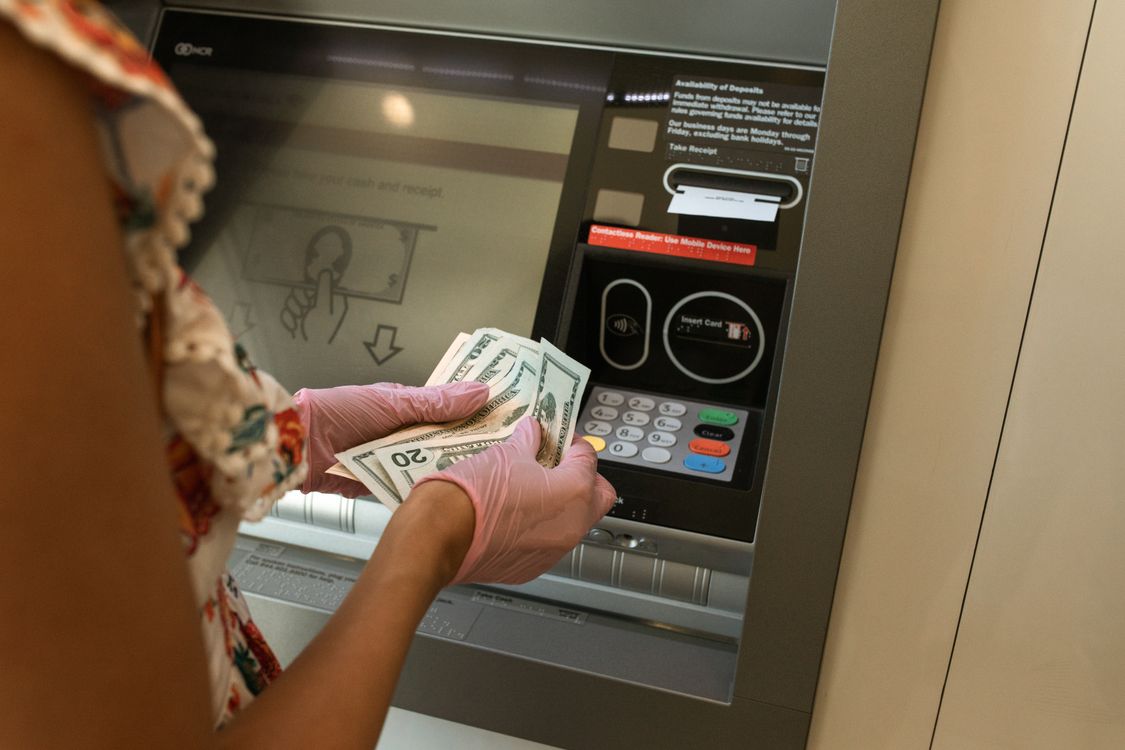
Many experienced travelers split their approach: they exchange a small amount before departure for immediate needs like taxis and tips, then use ATMs or travel cards for the bulk of their spending once they arrive.
Choosing the Right Payment Methods
Travel Cards vs. Credit Cards vs. Cash
Each payment method has its place in a smart traveler's toolkit:
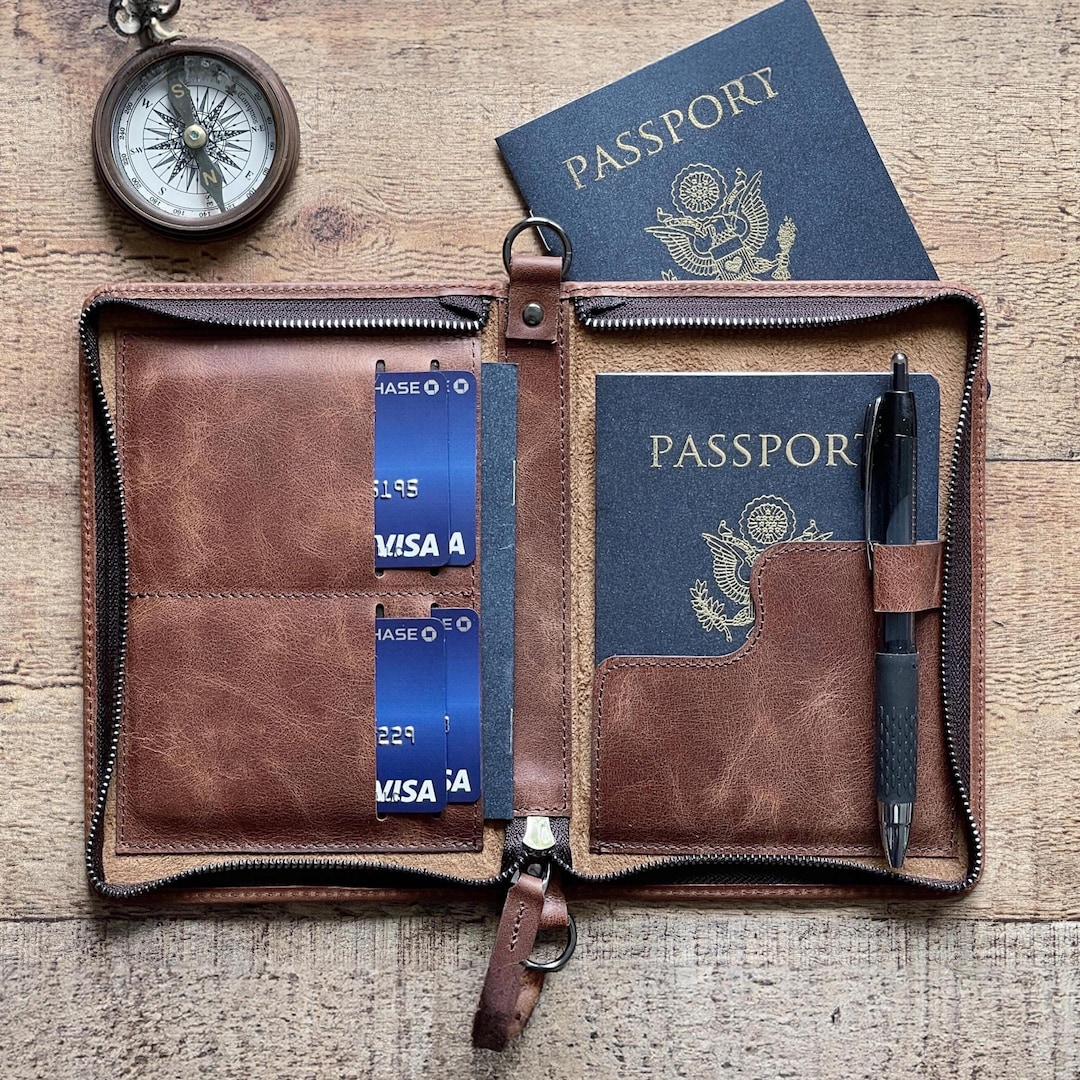
Travel-specific debit cards like Wise, Revolut, or Charles Schwab often offer near-interbank exchange rates with minimal fees. Loading these cards before your trip gives you a predictable budget and protection against card fraud.
Credit cards with no foreign transaction fees are excellent for larger purchases like hotels and tours. They also offer purchase protection and often better fraud resolution than debit cards. Look for cards that also earn travel rewards on international spending.
Cash remains essential in many destinations, particularly in rural areas, local markets, and smaller restaurants. Carrying a reasonable amount of local currency ensures you are never caught without a payment option.
Avoiding Hidden Fees
Hidden fees are the silent budget killers of international travel. Watch out for:
Daily Budget Strategies That Actually Work
The Envelope Method for Travel
Divide your daily budget into categories: accommodation, food, transport, activities, and a miscellaneous buffer. Tracking spending against these categories helps you identify where money is leaking and where you have room to splurge.
A practical approach is to withdraw your daily cash budget each morning. When the cash is gone, you know you have hit your limit. This tactile method makes spending feel more real than tapping a card.
Eating Like a Local
Food is one of the most flexible budget categories in travel. The difference between eating at tourist-facing restaurants and local eateries can be dramatic:
Free and Low-Cost Activities
Many of the most memorable travel experiences cost nothing. Free walking tours, public beaches, hiking trails, markets, and religious sites open to visitors can fill days with genuine cultural immersion. Research free museum days, which many major institutions offer weekly or monthly.
Browse more articles on our [blog](/blog) for destination-specific tips on free activities and hidden local gems.
Building Your Emergency Financial Buffer
No matter how carefully you plan, unexpected expenses arise. A missed connection, a medical visit, or a lost item can derail a tight budget. Build a buffer of at least 15 to 20 percent above your planned budget and keep it in a separate account or card that you do not touch unless genuinely necessary.
Travel insurance is a non-negotiable investment for international trips. Medical evacuation alone can cost tens of thousands of dollars without coverage. Comprehensive travel insurance typically costs 4 to 8 percent of your total trip cost and covers medical emergencies, trip cancellation, lost luggage, and more.
Tracking and Adjusting on the Road
Apps That Keep You Honest
Several apps make real-time budget tracking effortless:
Review your spending every evening. A five-minute daily check-in lets you course-correct before small overruns become major problems. If you overspent on activities today, plan a cheaper day tomorrow. Flexibility is the hallmark of a skilled travel budgeter.
When to Splurge and When to Save
Not all travel experiences are equal in value. Identify your personal travel priorities before you go. If incredible food is your passion, allocate more budget there and save on accommodation by choosing hostels or guesthouses. If comfort matters most, invest in better lodging and economize on activities.
The goal is not to spend as little as possible but to spend in alignment with what genuinely enriches your experience. A well-planned budget gives you the freedom to say yes to the moments that matter most.
Use our [currency converter](/currency) throughout your trip to stay on top of what you are actually spending in your home currency, and return home knowing exactly where every dollar went.