Back to Blog
Currency & Finance Tips7 min readJune 26, 2026

Travel Cash vs Card: Smart Money Strategies for Every Trip Abroad

Discover when to use cash and when to swipe your card abroad to save money, avoid fees, and travel smarter.

World Cities Team
Travel Cash vs Card: Smart Money Strategies for Every Trip Abroad

# Travel Cash vs Card: Smart Money Strategies for Every Trip Abroad

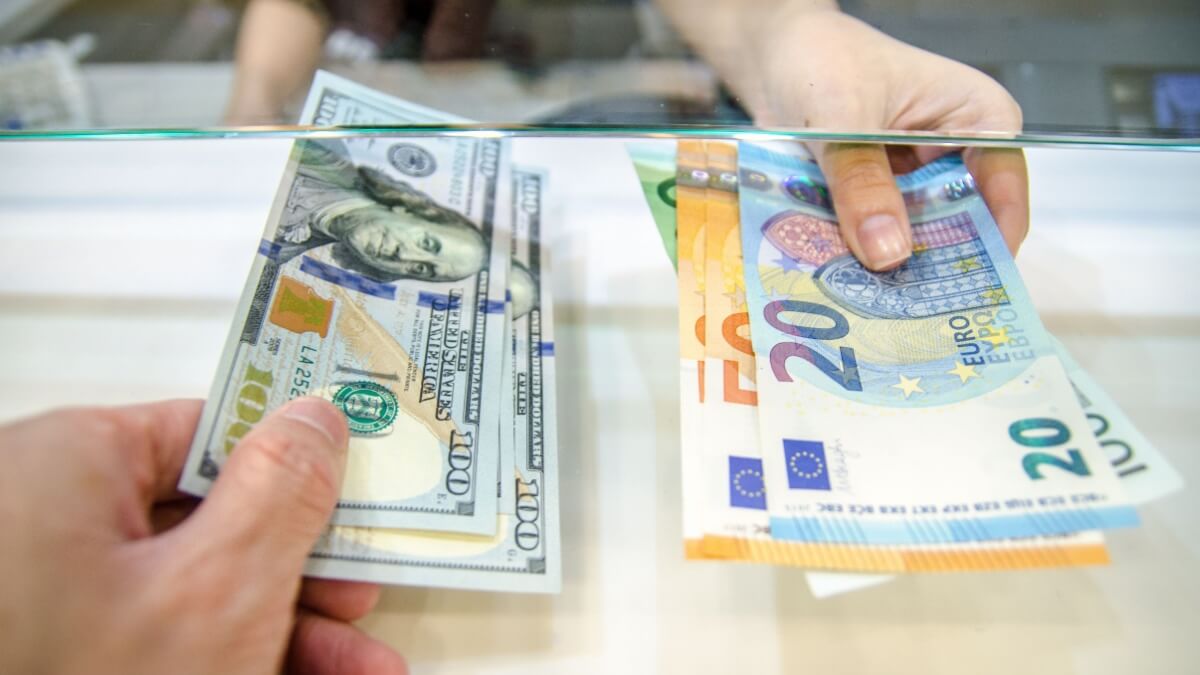
One of the most common questions travellers ask before heading overseas is simple: should I carry cash or rely on my card? The honest answer is that the smartest travellers use both — but knowing *when* to use each one can save you a surprising amount of money and stress on the road.

Use our [currency converter](/currency) to plan your budget before you even pack your bags.

Why the Cash vs Card Debate Still Matters

In an increasingly cashless world, it might seem like cards have won. But the reality of international travel is far more nuanced. Many destinations — from rural markets in Morocco to street food stalls in Vietnam — remain firmly cash-based. Meanwhile, using the wrong card in the wrong place can quietly drain your travel budget through fees you never saw coming.

Understanding the strengths and weaknesses of each payment method is one of the most practical skills any traveller can develop.

When Cash Is King

Cash remains essential in many travel scenarios:

  • Local markets and street vendors: Small traders rarely accept cards, and even when they do, minimum spend requirements can be frustrating.
  • Rural and remote areas: ATM networks thin out quickly once you leave major cities. Carrying enough local currency is a safety net.
  • Tipping culture: In many countries — the USA, Mexico, Egypt, and across Southeast Asia — tipping in cash is expected and appreciated far more than a card gratuity.
  • Avoiding dynamic currency conversion: When a card terminal offers to charge you in your home currency, always decline. This "convenience" typically costs 3–7% extra. Cash sidesteps this trap entirely.
  • Emergencies: Technology fails. Cards get blocked. A reserve of local cash has saved countless travellers from genuine crises.
  • ☀️

    Check live weather for Bangkok

    Try our free city dashboard tools

    Go

    How Much Cash to Carry

    A practical rule of thumb: carry enough local currency to cover 2–3 days of expenses without needing an ATM. This buffer protects you from machine outages, bank holidays, and unexpected card blocks. Keep larger notes in a secure money belt and smaller denominations in an accessible wallet for daily spending.

    When Cards Are the Smarter Choice

    For larger purchases and in card-friendly destinations, the right travel card is genuinely superior:

  • Security: A stolen wallet full of cash is gone forever. A blocked card can be replaced. Most travel cards offer zero-liability fraud protection.
  • Exchange rates: The best travel debit and credit cards use the interbank exchange rate — the same rate banks use with each other — which is almost always better than airport exchange bureaux or hotel desks.
  • Convenience: Booking hotels, tours, and transport online requires a card. Many car rental companies won't accept cash at all.
  • Rewards and cashback: Premium travel cards offer points, air miles, and cashback that can meaningfully offset travel costs over time.
  • Record keeping: Card statements give you a clear spending record, useful for budgeting and expense claims.
  • Choosing the Right Travel Card

    Not all cards are created equal for international use. Look for:

  • No foreign transaction fees: Standard cards often charge 1.5–3% on every overseas purchase. Specialist travel cards eliminate this entirely.
  • Fee-free ATM withdrawals: Some cards reimburse ATM fees worldwide, which adds up significantly on longer trips.
  • Competitive exchange rates: Check whether the card uses the Mastercard or Visa exchange rate (generally excellent) or its own proprietary rate.
  • Chip and PIN compatibility: Essential in Europe and increasingly required elsewhere.
  • The Hybrid Strategy: Getting the Best of Both

    Experienced travellers rarely choose one over the other — they build a system:

  • Before departure: Order local currency from your bank or a specialist currency service. Airport rates are almost always the worst available. Use our [currency converter](/currency) to compare rates and calculate exactly how much you need.
  • On arrival: Use a fee-free card at an airport ATM for a modest cash top-up if needed, rather than using the airport exchange desk.
  • Day-to-day: Pay by card wherever accepted and the rate is good. Use cash for markets, tips, and small local businesses.
  • Keep an emergency reserve: Maintain a small stash of USD or EUR as a universal backup — these are accepted informally in many countries when local currency runs short.
  • Common Mistakes to Avoid

    Exchanging currency at the airport: Convenience comes at a steep price. Airport exchange rates can be 10–15% worse than the mid-market rate. Exchange only what you need to get to your accommodation, then find a better rate in the city.

    Ignoring ATM fees: Some overseas ATMs charge flat fees of $5–10 per withdrawal. Withdraw larger amounts less frequently to minimise these charges — but not so much that you're carrying excessive cash.

    Forgetting to notify your bank: Many banks still flag overseas transactions as suspicious and block your card. A quick call or app notification before you travel prevents this headache.

    Relying on a single card: Cards get lost, stolen, or blocked. Always travel with at least two cards from different networks (e.g., one Visa, one Mastercard) stored separately.

    Destination-Specific Tips

  • Japan: Despite being a tech-forward nation, Japan remains heavily cash-based. Carry yen at all times, especially outside major cities.
  • Scandinavia: Sweden, Norway, and Denmark are among the most cashless societies on earth. Cards are accepted almost everywhere, including tiny cafés.
  • Southeast Asia: A mix — cities like Singapore and Bangkok are increasingly card-friendly, but rural areas and local markets are cash-only.
  • USA: Cards dominate, but cash is essential for tipping and some food trucks or farmers' markets.
  • Cuba: International cards often don't work at all. Cash — ideally euros or Canadian dollars — is essential.
  • Browse more articles on our [blog](/blog) for destination-specific money guides and travel finance tips.

    Final Thoughts

    The cash vs card debate doesn't have a single winner — it has a smart strategy. By understanding where each payment method shines and building a flexible approach before you travel, you'll spend less on fees, avoid more stress, and keep your focus where it belongs: on the experience itself. A little financial preparation goes a long way toward making every trip smoother, safer, and more enjoyable.