Best Travel Credit Cards Guide: How to Avoid Foreign Transaction Fees Abroad
Choosing the right travel credit card can save you hundreds of dollars on every trip. Here's everything you need to know about avoiding fees and maximising rewards.

Why Your Choice of Card Matters More Than You Think
Most travellers focus on flights and hotels when budgeting for a trip, but the card you use to pay for everything can make a significant difference to your total costs. Foreign transaction fees, poor exchange rates, and ATM withdrawal charges can quietly add up to hundreds of dollars over the course of a trip — money that could have been spent on experiences instead.
The good news is that with the right travel credit card, you can eliminate most of these fees entirely, earn rewards on every purchase, and even access travel perks like airport lounge access and travel insurance. This guide explains what to look for, what to avoid, and how to use your card strategically when travelling abroad.
Understanding Foreign Transaction Fees
A foreign transaction fee is a charge applied by your card issuer whenever you make a purchase in a foreign currency or through a foreign bank. These fees typically range from 1.5% to 3% of the transaction amount.
On a $5,000 trip, a 3% foreign transaction fee adds $150 to your costs — for nothing. Many travellers don't even notice these charges because they appear as small line items on monthly statements.
The solution: Choose a card that explicitly waives foreign transaction fees. Many travel-focused credit cards do this as a standard feature.
What to Look for in a Travel Credit Card
No Foreign Transaction Fees
This is the most important feature. Before you travel, check your card's terms and conditions. If your current card charges foreign transaction fees, consider applying for a travel card before your next trip.
Competitive Exchange Rates
Cards that use the Visa or Mastercard network typically offer exchange rates very close to the interbank (mid-market) rate — the fairest rate available. Avoid cards that use their own proprietary exchange rates, which are often less favourable.
Use our [currency converter](/currency) to check the current mid-market rate before you travel, so you know what a fair exchange rate looks like.
Rewards on Travel Spending
The best travel credit cards earn points or miles on every purchase, with bonus multipliers for travel-related spending like flights, hotels, and restaurants. These rewards can be redeemed for future flights, hotel stays, or statement credits.
Look for:
Travel Insurance and Protections
Many premium travel cards include built-in travel insurance when you pay for your trip with the card. This can include:
Always read the policy details carefully — coverage limits and exclusions vary significantly between cards.
Airport Lounge Access
Premium travel cards often include complimentary access to airport lounges through networks like Priority Pass. Lounges offer comfortable seating, free food and drinks, Wi-Fi, and showers — a significant upgrade from crowded departure gates, especially on long-haul journeys.
Common Mistakes to Avoid
Dynamic Currency Conversion (DCC)
When paying by card abroad, you may be offered the option to pay in your home currency rather than the local currency. This is called Dynamic Currency Conversion, and it almost always results in a worse exchange rate — sometimes 3–7% worse than the standard rate.
Always choose to pay in the local currency. Decline DCC every time it is offered.
Using a Debit Card for Large Purchases
Debit cards linked to your bank account often carry higher foreign transaction fees than dedicated travel credit cards. They also offer less fraud protection — if your debit card details are compromised, the money is taken directly from your account, which can cause immediate cash flow problems while travelling.
Use a travel credit card for purchases and keep your debit card for ATM withdrawals only.
Withdrawing Cash on a Credit Card
Cash advances on credit cards are expensive. They typically incur a fee (often 3–5% of the amount withdrawn), charge interest from the moment of withdrawal (no grace period), and may carry a higher interest rate than regular purchases.
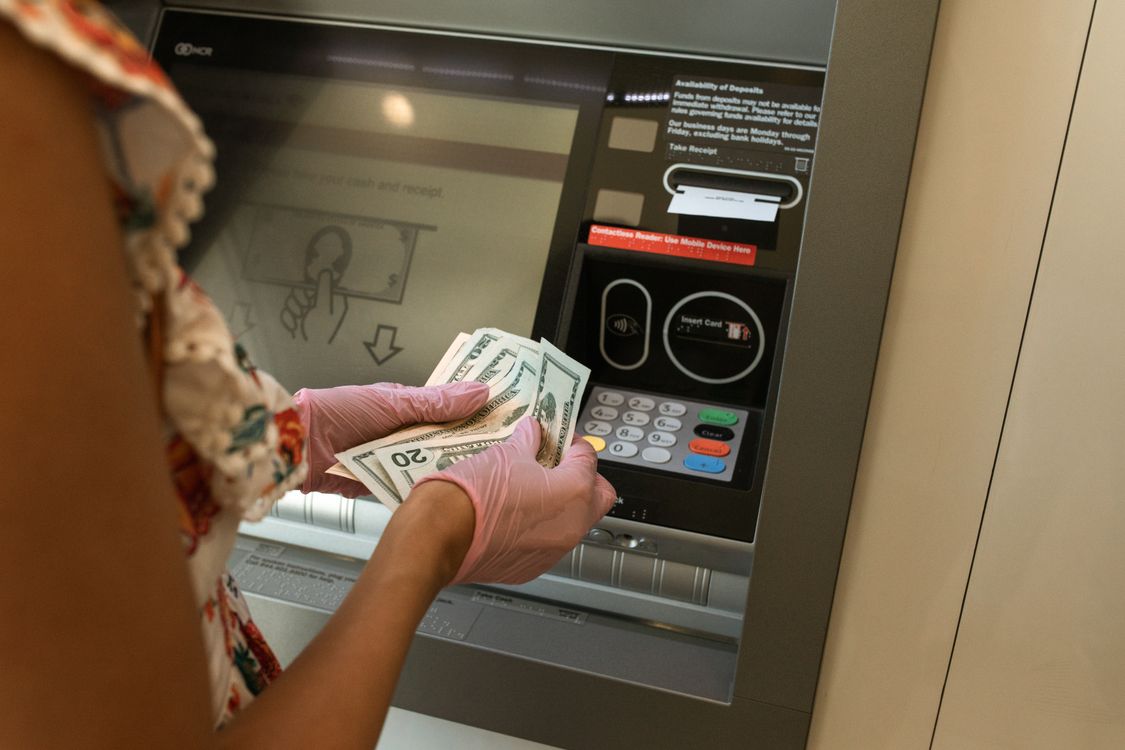
For cash, use a debit card at ATMs instead. Some banks (particularly online banks) reimburse ATM fees worldwide — worth researching before you travel.
Not Notifying Your Bank
Many banks will freeze your card if they detect unusual activity — like purchases in a foreign country. Before you travel, notify your bank or card issuer of your travel dates and destinations. Most banks allow you to do this through their mobile app.
Practical Tips for Using Cards Abroad
Choosing Between Cards
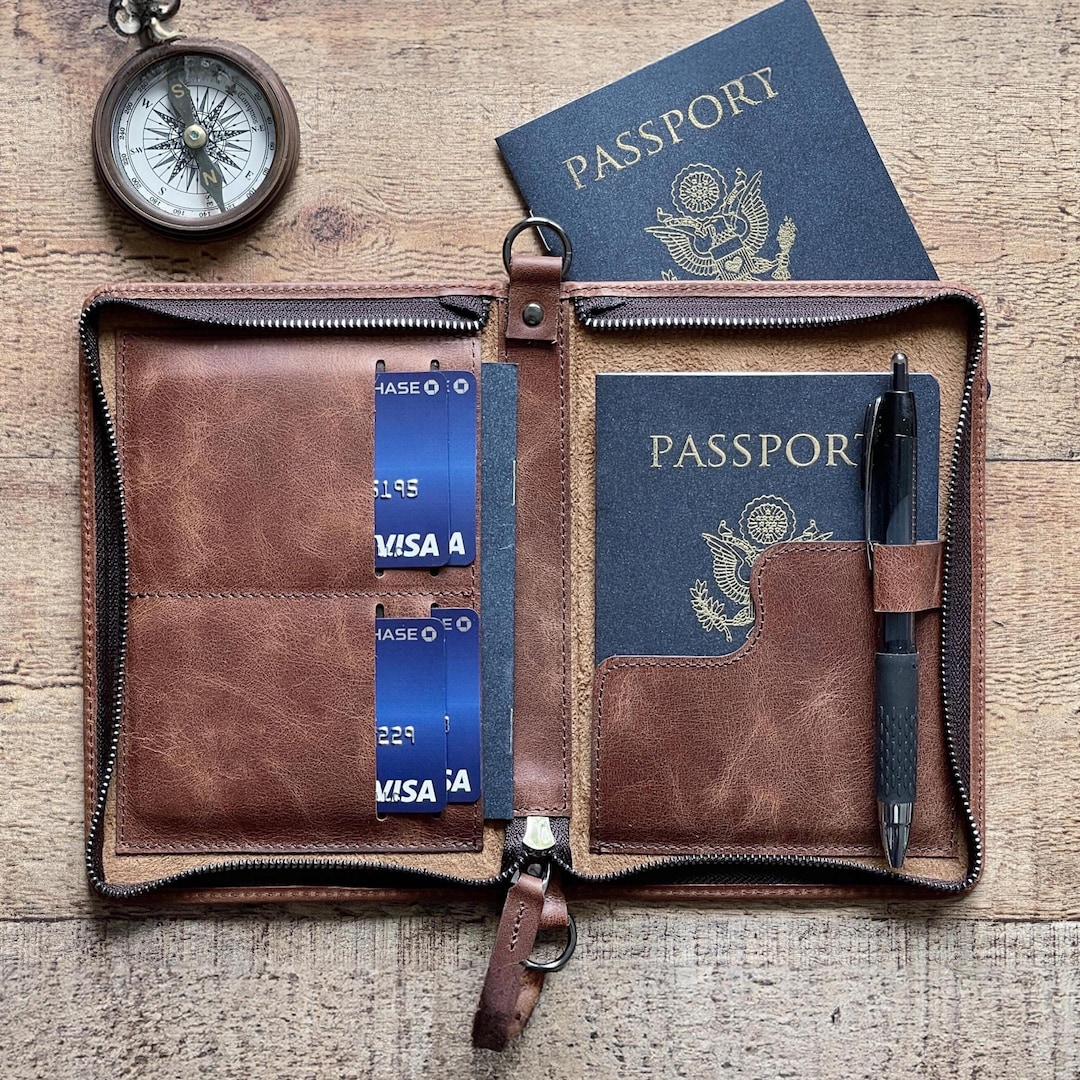
If you travel frequently, it may be worth holding two or three travel cards to maximise benefits:
Read your [daily horoscope](/horoscope) for travel luck before your next big trip — and make sure your finances are just as well-prepared as your itinerary.
Final Thoughts
The right travel credit card is one of the most valuable tools in a traveller's toolkit. By eliminating foreign transaction fees, earning rewards, and providing built-in protections, a good travel card pays for itself many times over. Take the time to compare options before your next trip — your wallet will thank you.
Browse more articles on our [blog](/blog) for more money-saving travel tips and destination guides.