Travel Money Guide: Best Ways to Pay Abroad and Save on Every Fee
Knowing how to manage your money abroad can save you hundreds on a single trip — discover the smartest payment methods, fee-avoidance strategies, and budgeting tips.
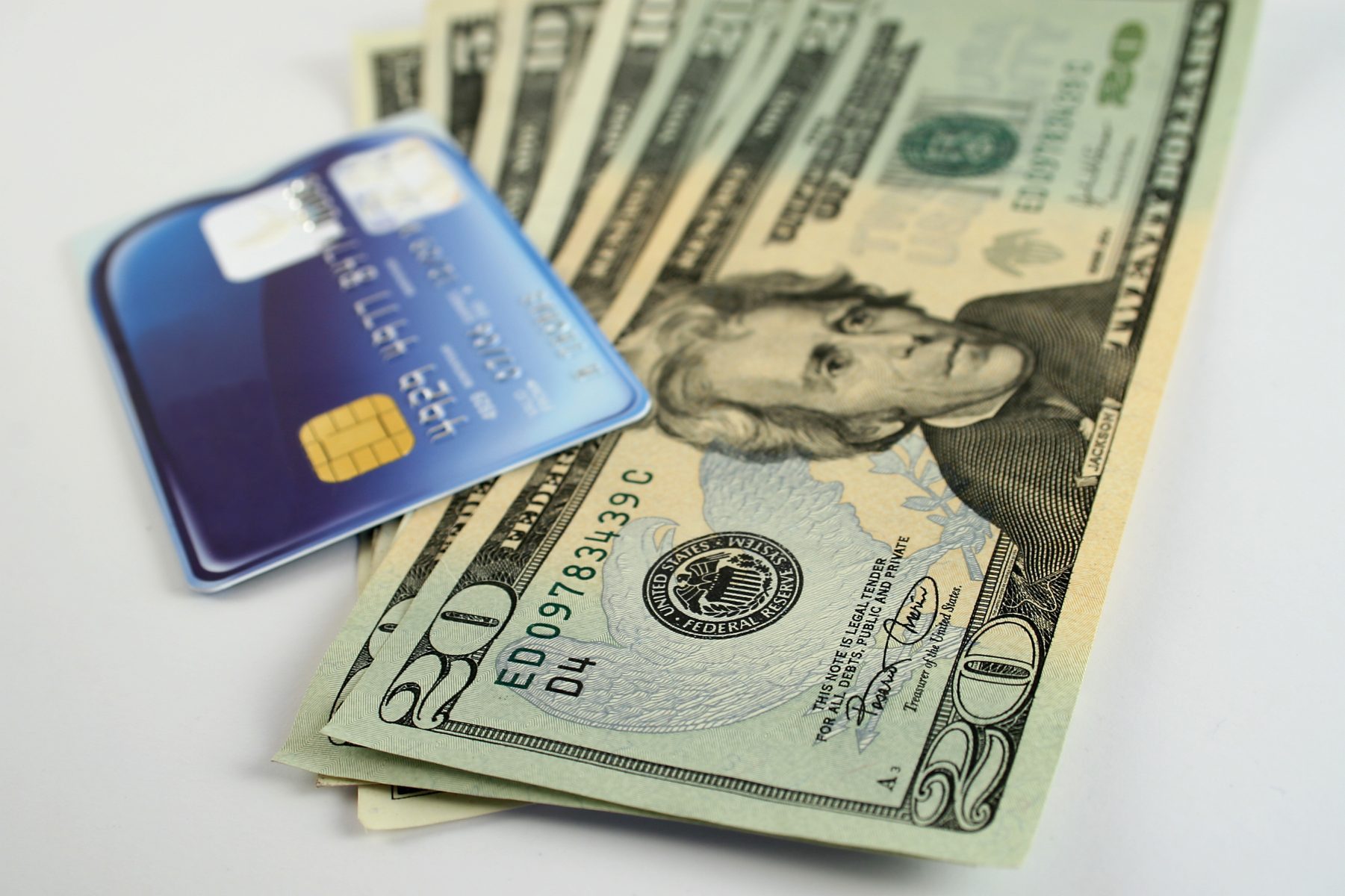
The Hidden Cost of Travelling Without a Money Strategy
Most travellers focus on flights, hotels, and activities when budgeting for a trip — but the hidden costs of poor money management can add up to a significant sum. Currency conversion fees, ATM charges, dynamic currency conversion traps, and unfavourable exchange rates can collectively cost you 5-10% of every transaction if you are not careful.
The good news is that with a little preparation, you can eliminate most of these costs entirely. This guide covers everything you need to know about managing your travel money wisely, from choosing the right cards to knowing when to use cash versus card.
Understanding Exchange Rates and Why They Matter
The exchange rate determines how much of the local currency you receive for your home currency. There are several different rates you will encounter:
Use our [currency converter](/currency) to check the current mid-market rate before you travel, so you know what a fair exchange looks like and can spot unfavourable offers.
The Best Cards for International Travel
Specialist Travel Credit Cards
Several credit cards are specifically designed for international use, offering zero foreign transaction fees and competitive exchange rates. Look for cards that offer:
Prepaid Travel Cards
Prepaid travel cards allow you to load money at a locked-in exchange rate before you travel. This can be advantageous when your home currency is strong, but carries the risk of being locked into an unfavourable rate if the currency moves in your favour after loading.
Wise Multi-Currency Card: One of the most popular options for frequent travellers, the Wise card allows you to hold and spend in dozens of currencies at the mid-market rate, with low, transparent fees. You can convert money in the app when rates are favourable.
Revolut: Another popular multi-currency card offering fee-free spending at the interbank rate (up to a monthly limit on free plans). Premium plans offer higher limits and additional benefits.
Debit Cards with Low International Fees
Some banks offer debit cards with minimal international fees. Charles Schwab in the US, for example, reimburses all ATM fees worldwide — an exceptional benefit for travellers who prefer using cash. Research your bank's international fee structure before travelling and consider opening a specialist account if the fees are high.
ATM Strategy: Getting Cash Abroad Smartly
Despite the rise of cashless payments, cash remains essential in many destinations — for small vendors, markets, taxis, and tips. Here is how to withdraw cash without losing money unnecessarily.
Always Choose Local Currency
When an ATM or card terminal asks whether you want to pay in your home currency or the local currency, always choose local currency. This is called Dynamic Currency Conversion (DCC), and it allows the merchant or ATM operator to apply their own (typically very unfavourable) exchange rate. By choosing local currency, your bank applies its rate instead — almost always better.
Use Bank ATMs Over Independent Machines
ATMs operated by major local banks typically charge lower fees than independent machines found in tourist areas, airports, and convenience stores. Seek out ATMs attached to bank branches where possible.
Withdraw Larger Amounts Less Frequently
If your bank charges a flat fee per withdrawal (e.g., £1.50 or $3), withdrawing larger amounts less frequently reduces the per-unit cost. Balance this against the risk of carrying large amounts of cash.
Budgeting for Your Trip
Effective travel budgeting starts before you leave home. Here is a simple framework:
Daily Budget Categories
Tracking Your Spending
Apps like Trail Wallet, TravelSpend, or simply a spreadsheet can help you track daily spending against your budget. Reviewing your spending each evening takes just a few minutes and prevents nasty surprises.
Sending Money Home or Receiving Money Abroad
If you need to send money internationally — perhaps to cover an emergency or pay for accommodation booked in local currency — avoid bank wire transfers, which typically charge high fees and offer poor exchange rates.
Wise and OFX are among the most cost-effective services for international money transfers, offering rates close to the mid-market rate with transparent, low fees. For larger transfers, it is worth comparing several services as rates and fees vary.
Common Money Mistakes to Avoid
Browse more articles on our [blog](/blog) for destination-specific money guides, including which countries are predominantly cash-based and where contactless payments are universally accepted.


