Tipping Etiquette and Currency Tips for Travellers Around the World
Navigating tipping customs and currency exchange abroad can save you money and avoid awkward moments. Here's your essential country-by-country guide.

# Tipping Etiquette and Currency Tips for Travellers Around the World
One of the most confusing aspects of international travel is knowing when, how much, and whether to tip — and how to handle local currency without losing money to poor exchange rates. Get it wrong and you could offend locals, overpay, or find yourself short of cash at the worst moment. Get it right and you'll travel more smoothly, save real money, and earn genuine goodwill wherever you go.
Use our [currency converter](/currency) to plan your budget before you depart, so you always know exactly what you're spending in your home currency.
Why Tipping Customs Vary So Dramatically
Tipping is deeply cultural. In some countries, leaving a gratuity is an expected and important part of service workers' income. In others, it's considered unnecessary, even mildly insulting. The difference often comes down to how service industries are structured — whether staff earn a living wage from their employer or rely on tips to supplement low base pay.
Understanding this before you travel means you won't accidentally offend a proud Japanese server by leaving coins on the table, or stiff a hardworking waiter in the United States who depends on tips to pay rent.
Countries Where Tipping Is Expected
United States and Canada
North America has the strongest tipping culture in the world. In the US, 15–20% is standard at sit-down restaurants, and 20–25% is common for excellent service. Bartenders typically receive $1–2 per drink. Hotel porters, taxi drivers, and hairdressers all expect tips.
In Canada, the culture is similar — 15–18% at restaurants is the norm, and many card payment terminals now suggest 18%, 20%, or 22% as default options.
Currency tip: Both countries use their own dollar, and while Canadian and US dollars are close in value, they are not interchangeable. Always check the current rate with our [currency converter](/currency) before crossing the border.
Mexico and the Caribbean
Tipping is very much expected throughout Mexico and the Caribbean, particularly in tourist areas. Restaurant tips of 10–15% are standard, and resort staff — from pool attendants to housekeeping — appreciate daily tips of $1–2 USD.
In Mexico, US dollars are widely accepted in tourist zones, but you'll often get a worse exchange rate than if you pay in pesos. Withdraw local currency from ATMs for better value.
Egypt and the Middle East
In Egypt, baksheesh (a small tip or gratuity) is deeply embedded in daily life. Tipping is expected for almost any service — from the person who holds a door open at a temple to the guide who explains hieroglyphics. Keep a supply of small local notes for this purpose.
In the UAE and Gulf states, tipping is appreciated but less obligatory, as many workers receive better wages. A 10% tip at restaurants is a kind gesture.
Countries Where Tipping Is Optional or Unusual
Japan
Japan is famously a no-tipping culture. Leaving money on the table can confuse or even offend staff, who may chase after you to return it. Excellent service is considered a professional standard, not something that requires extra payment. The price you see on the menu is the price you pay.
If you want to show appreciation in Japan, a sincere bow and a verbal thank-you ("arigatou gozaimasu") is far more appropriate than cash.
Australia and New Zealand
Tipping is not expected in Australia or New Zealand, where hospitality workers earn a proper minimum wage. That said, rounding up the bill or leaving a small tip for exceptional service is always appreciated and becoming more common in cities.
Currency tip: The Australian and New Zealand dollars are separate currencies with different values. Don't assume they're interchangeable — always check current rates.
Most of Europe
In much of continental Europe — France, Germany, Spain, Italy — tipping is appreciated but not obligatory. Rounding up the bill or leaving 5–10% for good service is the norm. In Germany, it's common to tell the server the total you want to pay (including tip) rather than leaving cash on the table.
In Scandinavia, tipping is increasingly common in tourist areas but still not expected. Service charges are often included in the bill — always check before adding extra.
Smart Currency Strategies for Every Destination
Always Check the Mid-Market Rate First
Before exchanging any money, look up the mid-market exchange rate (the "real" rate banks use between themselves). This is your benchmark. Any rate offered to you will be slightly worse — that's how exchange services make money — but knowing the benchmark helps you spot a bad deal.
Use our [currency converter](/currency) to check live rates before you travel or exchange money.
ATMs vs. Airport Exchange Desks
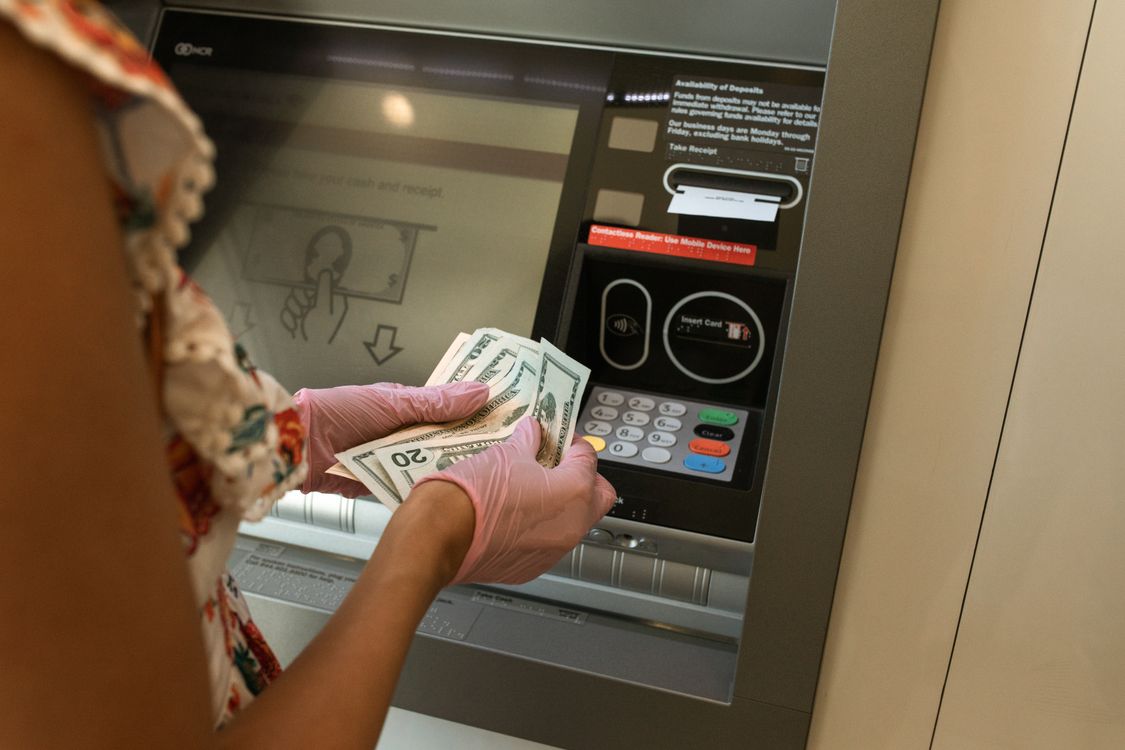
Airport currency exchange desks are almost always the worst place to exchange money. They offer poor rates and charge high fees because they know you're captive. Use ATMs at your destination instead — you'll typically get a rate much closer to the mid-market rate, especially if you use a bank card with no foreign transaction fees.
Always choose to be charged in the local currency when an ATM asks — never opt for "dynamic currency conversion" into your home currency, which locks in a terrible rate.
Carry a Mix of Cash and Cards
Even in increasingly cashless societies, cash remains essential in many situations — rural areas, markets, small restaurants, taxis, and anywhere that card machines are unreliable. Carry enough local currency for a day or two of expenses, and keep your cards as backup.
For cards, look for accounts that offer zero foreign transaction fees and fee-free ATM withdrawals abroad. Several digital banks and travel-focused accounts now offer these as standard.
Budget for Tipping in Advance
If you're travelling to a country with strong tipping culture, factor this into your daily budget. A 20% tip on every restaurant meal adds up significantly over a two-week trip. Knowing this in advance prevents budget surprises.
Browse more articles on our [blog](/blog) for destination-specific money guides and currency tips tailored to wherever you're headed next.
Final Thoughts
Tipping and currency management are two of the most practical skills a traveller can develop. A little research before you go — understanding local customs, checking exchange rates, and choosing the right payment methods — can save you money, reduce stress, and help you connect more authentically with the places you visit. Travel smarter, tip appropriately, and always know what your money is worth.