Tropical Storm Season Travel Guide: Caribbean and Pacific Safety Tips for Smart Travellers
Planning a trip during tropical storm season? Learn how to travel safely and smartly through the Caribbean and Pacific with expert weather insights.
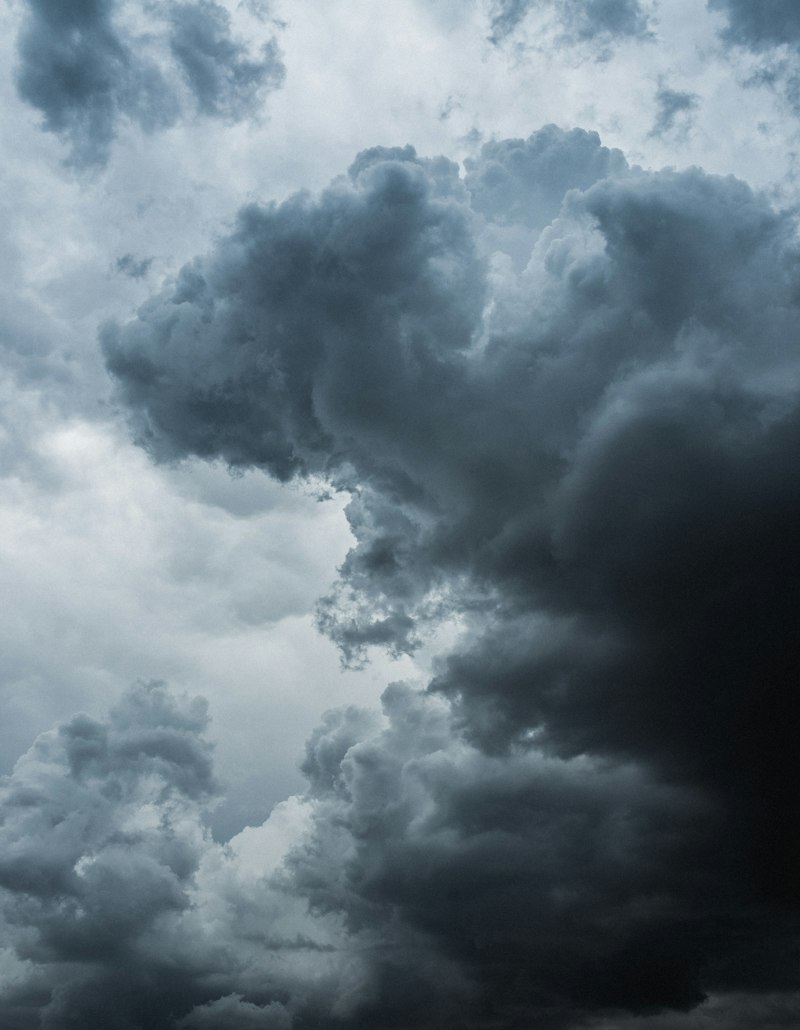
# Tropical Storm Season Travel Guide: Caribbean and Pacific Safety Tips for Smart Travellers
Tropical storm season doesn't have to mean cancelled plans and missed adventures. With the right knowledge, flexible booking strategies, and a clear understanding of weather patterns, savvy travellers can still enjoy incredible destinations — often at significantly reduced prices — while staying safe and well-prepared.
Check live weather on our [city dashboard](/) for real-time conditions at your destination before you book or depart.
Understanding Tropical Storm Season
Tropical storms and hurricanes form when warm ocean water — typically above 26°C (79°F) — combines with atmospheric instability to create rotating systems of powerful wind and rain. These storms are a natural and essential part of tropical ecosystems, but they require careful consideration for travellers.
Atlantic and Caribbean Season
The Atlantic hurricane season officially runs from 1 June to 30 November, with peak activity occurring between mid-August and mid-October. The most statistically active period is the two weeks surrounding 10 September, often called the "peak of peak" season.
Key facts for Caribbean travellers:
Eastern Pacific Season
The Eastern Pacific hurricane season also runs from June through November, affecting the western coasts of Mexico and Central America. Popular destinations like Los Cabos, Puerto Vallarta, and the Riviera Maya can experience tropical weather during this period.
The Western Pacific typhoon season is more complex — it runs virtually year-round, with peak activity from July through October. Destinations like the Philippines, Japan's Okinawa, and Vietnam's central coast can be affected.
Smart Booking Strategies for Storm Season Travel
Travelling during storm season requires a different approach to planning than off-season trips. Here's how to protect yourself while still enjoying the adventure:
Choose Flexible Fares and Refundable Bookings
Always book refundable or changeable flights during storm season. The small premium for flexibility is well worth it when a storm system develops. Many airlines offer free changes during named storm events, but only if you've booked a changeable fare.
Purchase Comprehensive Travel Insurance
Standard travel insurance may not cover weather-related cancellations. Look specifically for policies that include:
Use our [currency converter](/currency) to plan your budget and factor in the cost of comprehensive insurance — it's one of the smartest investments you can make for storm-season travel.
Monitor Forecasts Closely
Tropical storm forecasting has improved dramatically in recent decades. The National Hurricane Center (NHC) and equivalent agencies provide reliable 5-day track forecasts. Key resources include:
Sign up for weather alerts and check forecasts daily in the week before your departure.
Destination-by-Destination Guide
The Southern Caribbean: Your Storm Season Safe Haven
Aruba, Bonaire, and Curaçao — collectively known as the ABC Islands — are the Caribbean's best-kept secret for storm season travel. Located just 15-30 kilometres off the Venezuelan coast, they sit well south of the typical hurricane track.
What you'll find here during "storm season":
Mexico's Pacific Coast: Timing Is Everything
Destinations like Puerto Vallarta and the Riviera Nayarit experience their rainy season from June through October, but storms are typically brief afternoon showers rather than prolonged events. The shoulder months of June and early November offer:
Be more cautious in September and October, when Eastern Pacific storm activity peaks.
Southeast Asia: Understanding the Regional Patterns
Southeast Asia's weather is governed by monsoon patterns rather than hurricane seasons, but the principles are similar. The key is understanding which coast is affected when:
What to Do If a Storm Approaches
Even with careful planning, storms can develop unexpectedly. Here's how to respond:
Browse more articles on our [blog](/blog) for destination-specific weather guides and seasonal travel tips.
The Silver Lining of Storm Season Travel
For all its challenges, storm season travel offers genuine rewards that peak-season visitors never experience:
With careful planning, the right insurance, and a flexible mindset, storm season can be one of the most rewarding times to explore the Caribbean and Pacific. The key is preparation, not avoidance.
:max_bytes(150000):strip_icc()/TAL-header-french-riviera-nice-france-SHLDRBEACH0923-327af5de377446ecb568f9d34da33589.jpg)