Winter Festivals and Cold Weather Celebrations Worth Travelling the World For
From ice sculpture competitions to lantern festivals, winter celebrations around the globe offer magical experiences that make the cold season truly special.
Winter Festivals and Cold Weather Celebrations Worth Travelling the World For
Winter transforms destinations around the globe into something truly magical. While some travellers retreat from the cold, the most adventurous seek it out — drawn by the extraordinary festivals, celebrations, and cultural events that only emerge when temperatures drop. From illuminated ice palaces to ancient fire ceremonies, winter festivals offer experiences that warm the soul even as the air bites at your cheeks.
Check live weather on our [city dashboard](/) to plan your winter festival trip with up-to-date conditions for any destination.
Sapporo Snow Festival, Japan (February)
Every February, the northern Japanese city of Sapporo hosts one of the world's most spectacular winter events. The Sapporo Snow Festival transforms the city into an open-air gallery of enormous snow and ice sculptures, some reaching the height of a three-storey building.
What to expect:
The festival draws over two million visitors annually, so book accommodation months in advance. The surrounding Hokkaido region also offers world-class skiing at resorts like Niseko and Furano, making it easy to combine festival visits with powder snow adventures.
Best time to visit: Early February for the peak of the festival; temperatures typically range from -5°C to -10°C, so pack serious winter layers.
Harbin International Ice and Snow Sculpture Festival, China (January-February)
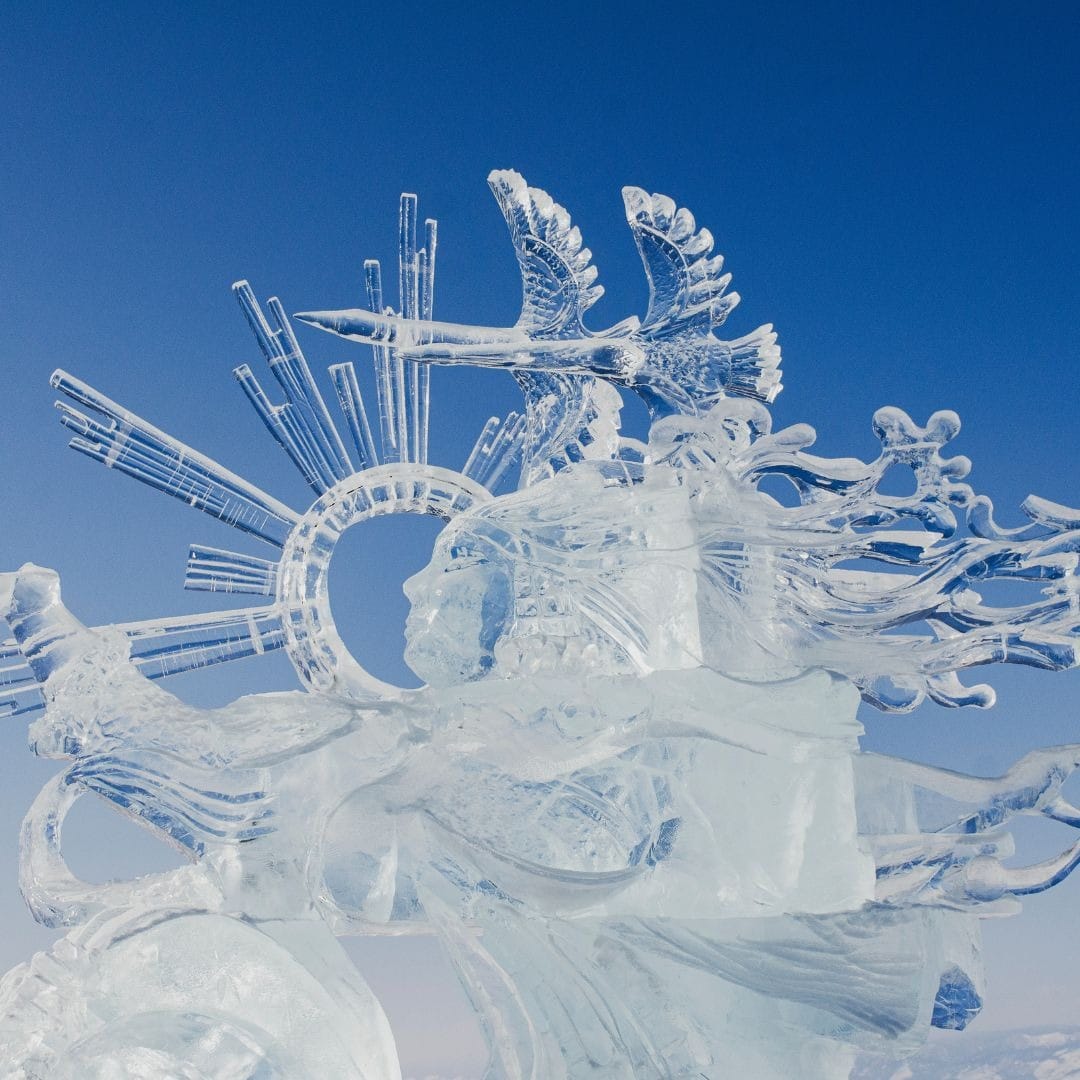
In the northeastern Chinese city of Harbin, winter brings one of the most breathtaking spectacles on earth. The Harbin Ice and Snow World features enormous structures — entire castles, cathedrals, and cityscapes — carved entirely from blocks of ice cut from the frozen Songhua River.
At night, coloured LED lights illuminate the ice from within, creating a glowing, otherworldly landscape that must be seen to be believed. The festival also includes:
Temperatures in Harbin during the festival regularly drop to -20°C or below, making proper cold-weather gear absolutely essential. The reward is an experience unlike anything else on the planet.
Quebec Winter Carnival, Canada (February)
North America's answer to Europe's grand winter festivals, the Quebec Winter Carnival is the largest winter carnival in the world. Held in the historic walled city of Quebec City, the event celebrates French-Canadian culture with exuberant joy.
Festival highlights:
The old city of Quebec is a UNESCO World Heritage Site, and its cobblestone streets and 17th-century architecture look particularly enchanting under a blanket of snow.
Browse more articles on our [blog](/blog) for destination guides to Canada's most beautiful winter cities.
Tromsø Northern Lights Festival, Norway (January)
The Norwegian city of Tromsø sits well above the Arctic Circle, making it one of the world's premier destinations for witnessing the aurora borealis. The Northern Lights Festival combines this natural wonder with a celebration of Arctic culture and music.
Why Tromsø in winter:
The Northern Lights Festival itself features classical music concerts, jazz performances, and cultural events celebrating the unique character of Arctic Norway.
Check live weather on our [city dashboard](/) for current aurora forecasts and Tromsø conditions before you travel.
Carnival in Venice, Italy (February)
While Venice's Carnival is not strictly a cold-weather festival, it falls in the heart of winter and transforms the already-magical city into something from another era entirely. Participants don elaborate historical costumes and ornate masks, recreating the atmosphere of 18th-century Venetian society.
Carnival highlights:
Venice in winter is also significantly less crowded than in summer, allowing you to appreciate the city's extraordinary architecture and canals without the peak-season crush.
Planning Your Winter Festival Trip
Packing for Cold-Weather Festivals
Attending outdoor winter festivals requires thoughtful preparation:
Booking Tips
Conclusion
Winter festivals prove that the coldest months can offer the warmest memories. Whether you are marvelling at illuminated ice sculptures in Harbin, dancing in a Venetian palazzo, or watching the aurora shimmer over a Norwegian fjord, these celebrations remind us that winter is not something to endure — it is something to embrace. Pack your warmest layers and let the season's magic take you somewhere extraordinary.