Winter in Reykjavik: Iceland's Capital Through Snow, Ice & Northern Lights
Iceland's winter transforms Reykjavik into a magical realm of aurora-lit nights and geothermal warmth. Discover why the coldest months offer the hottest experiences.
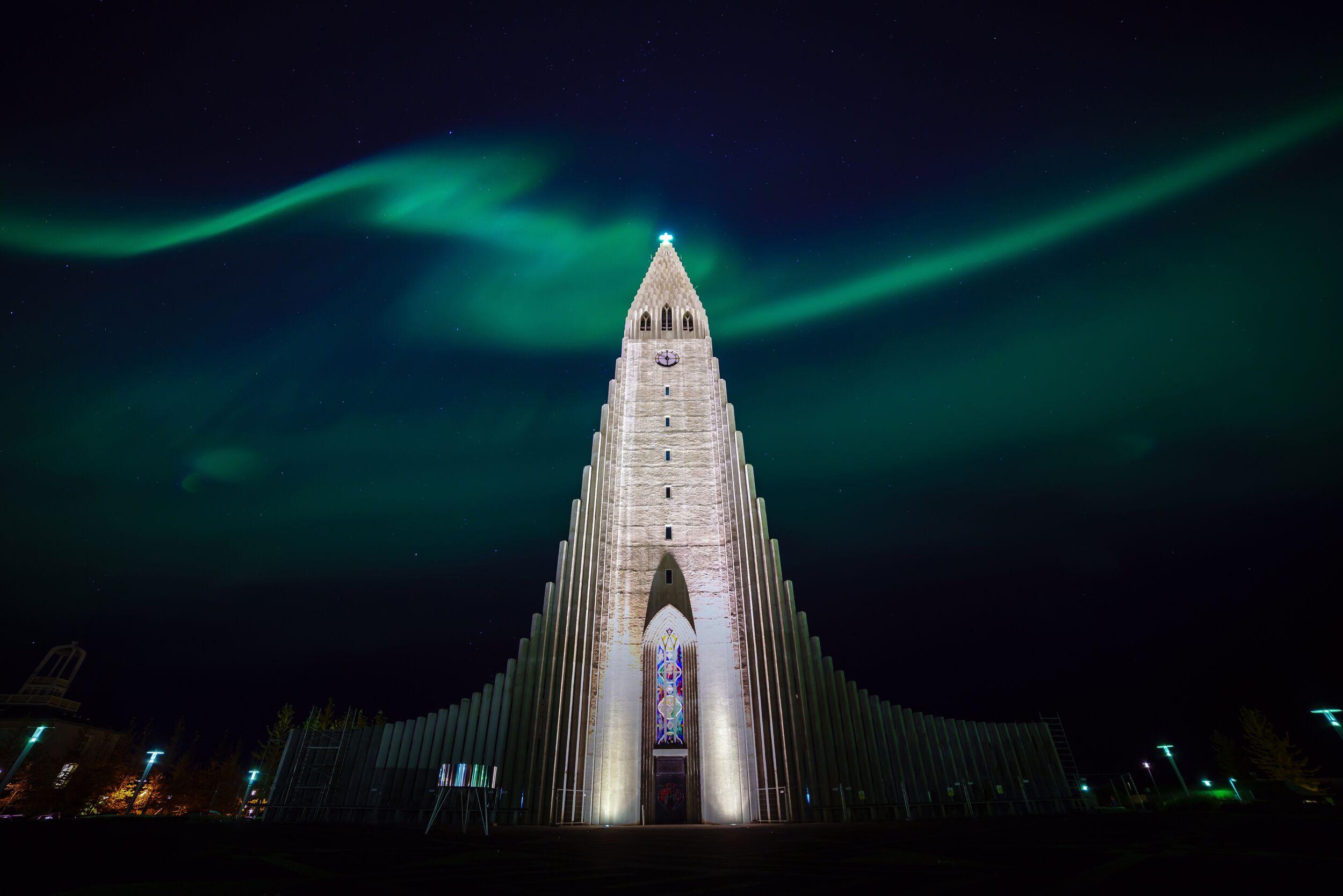
Why Reykjavik's Winter Season Is Pure Magic
Most travelers dream of visiting Iceland during summer's midnight sun, but those in the know understand that winter in Reykjavik offers something far more extraordinary. From November through March, Iceland's capital becomes a basecamp for some of Earth's most spectacular natural phenomena, wrapped in a cozy Nordic embrace that defies the harsh Arctic weather outside.
Reykjavik's winter isn't just a season—it's an experience that combines dramatic natural beauty with urban sophistication. While temperatures hover between -1°C to 4°C (30°F to 39°F), the Gulf Stream keeps things surprisingly mild for a city just south of the Arctic Circle. Before you pack, check our weather dashboard to monitor real-time conditions and plan your adventure with precision.
The Northern Lights: Reykjavik's Greatest Winter Show
The aurora borealis is the crown jewel of Reykjavik's winter appeal, and the city offers unparalleled access to this celestial phenomenon. From late September through mid-April, the extended darkness creates a perfect stage for nature's light show.
Best Aurora Viewing Spots in and Around Reykjavik
Within the city:
Day trips from Reykjavik:
Maximizing Your Aurora Chances
The northern lights are notoriously unpredictable, but you can stack the odds in your favor. Monitor the KP index (aurora strength), cloud cover forecasts, and moon phases. Darker nights between the last quarter and new moon offer the best visibility. Tour operators offer "aurora guarantees" with free rebooking if clouds interfere, making them worth the investment for short trips.
Pro tip: Download the Aurora Forecast app and set notifications for KP index spikes above 2.
Embracing the Polar Night: Activities Beyond the Aurora
Reykjavik's winter darkness isn't something to endure—it's something to celebrate. The city transforms into a wonderland of twinkling lights, steaming geothermal pools, and cultural richness.
Geothermal Bathing Culture
Iceland's geothermal pools are spectacular year-round, but experiencing them during winter elevates the experience to pure bliss. Picture yourself immersed in 38°C (100°F) mineral-rich water while snowflakes land on your face and steam rises around you.
Top winter bathing experiences:
The Icelandic tradition of outdoor bathing in winter isn't just touristy—it's deeply embedded in the culture. Locals visit their neighborhood pools several times weekly, making these spaces perfect for authentic cultural immersion.
Ice Cave Expeditions
Winter's freezing temperatures create stunning crystal-blue ice caves within Vatnajökull glacier, accessible only from November through March. Day tours from Reykjavik (typically 12-14 hours) transport you to these temporary natural cathedrals. The caves form differently each year, making every winter's formations unique.
What to expect: Early morning departure, super jeep transport across glacial terrain, guided exploration with helmets and crampons, and some of the most Instagram-worthy moments of your life.
Practical Winter Survival: What You Need to Know
Weather Realities and What to Pack
Reykjavik's winter weather is famously volatile. You might experience four seasons in a single afternoon—sunshine, rain, wind, and snow all before dinner. The key isn't staying warm (the city rarely gets truly frigid), but staying dry and windproof.
Essential packing list:
Layering is religion in Iceland. Locals dress in multiple thin layers rather than one heavy coat, allowing flexibility as you move between heated indoor spaces and outdoor adventures.
Budgeting for Winter Reykjavik
Iceland ranks among Europe's most expensive destinations, but winter offers relative value. Accommodation prices drop 30-50% compared to summer peaks, and tour operators offer shoulder-season discounts.
Average daily budget (per person):
Before you go, use our currency converter to calculate expenses in your home currency and set realistic budgets. The Icelandic króna (ISK) can fluctuate, so checking rates regularly helps avoid surprises.
Getting Around in Winter Conditions
Reykjavik itself is highly walkable, but winter conditions require caution. Sidewalks can be icy, and the city uses geothermal heating under some downtown streets to prevent ice buildup—a fascinating infrastructure solution.
For venturing beyond the city, rental cars require winter tires (mandatory by law) and often 4WD for rural roads. Road closures are common during storms, and driving conditions can be treacherous for those unaccustomed to ice and snow. Many travelers opt for guided tours instead, letting professionals handle the logistics while you enjoy the scenery.
Cultural Winter Highlights: Festivals and Traditions
Iceland's Christmas Season
Reykjavik's Christmas celebrations blend Nordic traditions with uniquely Icelandic folklore. The 13 Yule Lads—mischievous characters who visit children on the 13 nights before Christmas—create a quirky alternative to Santa Claus. Each has a distinct personality (and tendency toward pranks).
The Christmas markets, particularly the one at Ingólfstorg Square, showcase Icelandic handicrafts, traditional foods, and live music throughout December. Try laufabrauð (leaf bread), a paper-thin fried bread decorated with intricate patterns.
Winter Lights Festival (February)
This annual festival celebrates culture and light during the darkest period. Pool Culture Day encourages locals and visitors to experience Reykjavik's geothermal pools, while Museum Night offers free admission to participating institutions. The festival culminates with spectacular light installations throughout the city.
Þorrablót: Viking Winter Feast
In late January and February, Icelanders celebrate Þorrablót, a midwinter festival featuring traditional foods preserved using ancient methods. While some dishes (fermented shark, anyone?) challenge modern palates, participating in a Þorrablót feast offers deep cultural insight. Many restaurants offer tasting menus during this period for the adventurous.
Planning Your Perfect Winter Reykjavik Trip
Ideal Trip Length
A minimum of 4-5 days allows you to experience Reykjavik's highlights while building in flexibility for weather-dependent activities like aurora viewing. A week gives you time for substantial day trips and a more relaxed pace.
Best Months for Different Priorities
Sample 5-Day Itinerary
Day 1: Arrive, explore downtown Reykjavik, evening at Laugardalslaug pool
Day 2: Golden Circle day tour (Þingvellir, Geysir, Gullfoss), aurora hunting
Day 3: Reykjavik museums and culture, afternoon at Sky Lagoon
Day 4: South Coast and ice cave expedition
Day 5: Reykjanes Peninsula exploration, Blue Lagoon, departure
Remember to check our city explorer before your trip to get a real-time sense of what weather conditions you'll encounter and adjust your itinerary accordingly.
The Unexpected Joy of Winter Darkness
Perhaps the most surprising aspect of winter Reykjavik is how the limited daylight enhances rather than diminishes the experience. With sunrise around 11 AM and sunset by 4 PM in December, you're forced to slow down, savor moments, and appreciate light in all its forms—from the soft glow of candles in cozy cafés to the electric dance of auroras overhead.
This darkness cultivates hygge, the Nordic concept of cozy contentment. Reykjavik's cafés, with their warm lighting, excellent coffee, and unhurried atmosphere, become sanctuaries. The city's thriving music scene (Reykjavik has more musicians per capita than almost anywhere) fills winter nights with creativity and connection.
Winter in Reykjavik isn't the easy choice—it's the rewarding one. It asks more of you as a traveler and gives back experiences that summer visitors never witness. The aurora's green ribbons across the Arctic sky, the surreal blue glow inside an ancient ice cave, the simple pleasure of warming up in a geothermal pool while snow falls—these are the moments that transform a trip into a story you'll tell for years.
So pack your layers, embrace the darkness, and discover why Iceland's winter might just be the best-kept secret in European travel.
:max_bytes(150000):strip_icc()/TAL-header-french-riviera-nice-france-SHLDRBEACH0923-327af5de377446ecb568f9d34da33589.jpg)