Argentina Travel Guide: Buenos Aires, Patagonia and Iguazu Falls Highlights
From the tango-filled streets of Buenos Aires to the wild landscapes of Patagonia, Argentina is a destination of breathtaking contrasts and unforgettable experiences.
Why Argentina Belongs on Your Travel List
Argentina is one of South America's most captivating destinations, a country of extraordinary diversity that stretches from subtropical jungles in the north to the wind-swept tip of the continent in the south. It is a land of passionate tango, world-class wine, dramatic natural wonders, and warm, welcoming people. Whether you are drawn by the cosmopolitan energy of Buenos Aires, the raw wilderness of Patagonia, or the thundering spectacle of Iguazu Falls, Argentina delivers experiences that stay with you long after you return home.
The country's sheer size means that no single trip can cover everything, but even a two-week visit can take in an impressive range of landscapes and cultures. Check live weather on our [city dashboard](/) to plan the best time to visit each region, as Argentina's climate varies enormously from north to south.
Buenos Aires: The Paris of South America
Argentina's capital is a city that seduces visitors with its European elegance, Latin passion, and vibrant street life. Buenos Aires is a city of grand boulevards, ornate architecture, and neighbourhoods each with their own distinct character.
Neighbourhoods to Explore
San Telmo is the city's oldest neighbourhood, a labyrinth of cobblestone streets lined with antique shops, tango bars, and colonial buildings. The Sunday market at Plaza Dorrego is a Buenos Aires institution, where locals and visitors browse vintage treasures while street performers dance tango nearby.
La Boca is famous for its brightly painted houses along the Caminito street, a pedestrian alley that has become one of the city's most photographed spots. The neighbourhood has a working-class, bohemian energy and is home to the legendary Boca Juniors football club.
Palermo is the city's largest and most fashionable neighbourhood, divided into sub-districts including Palermo Soho and Palermo Hollywood. Boutique shops, trendy restaurants, craft beer bars, and beautiful parks make it a favourite for both locals and visitors.
Recoleta is the city's most elegant quarter, home to the famous Recoleta Cemetery where elaborate mausoleums house the remains of Argentina's most notable historical figures. The neighbourhood's wide avenues, French-style architecture, and upscale cafes give it a distinctly European feel.
Food and Drink in Buenos Aires
Argentine cuisine is built around asado — the art of the barbecue. A traditional asado is a social event as much as a meal, with cuts of beef, lamb, and pork slow-cooked over wood or charcoal. Parrillas (steakhouses) are found on virtually every corner, and the quality of Argentine beef is renowned worldwide.
Empanadas — pastry parcels filled with meat, cheese, or vegetables — are a beloved street food and snack. Medialunas (Argentine croissants) are the perfect accompaniment to a morning coffee at one of the city's many traditional cafes.
Argentina is also one of the world's great wine-producing nations. Malbec from the Mendoza region is the flagship variety, but Torrontés whites and Cabernet Sauvignons are equally impressive. Use our [currency converter](/currency) to plan your budget — dining and wine in Buenos Aires offer exceptional value for international visitors.
Iguazu Falls: Nature's Greatest Spectacle
Located on the border between Argentina and Brazil, Iguazu Falls is one of the most awe-inspiring natural wonders on Earth. The falls consist of 275 individual cascades spread across nearly three kilometres, with the most dramatic section — the Devil's Throat — plunging 82 metres into a churning abyss of mist and spray.
The Argentine side of the falls offers the most immersive experience, with a network of walkways that bring visitors within metres of the cascading water. The Upper Circuit provides panoramic views across the falls, while the Lower Circuit takes you to the base of several cascades where the spray is so intense you will be soaked within minutes.
Wildlife is abundant in the surrounding national park. Coatis — raccoon-like mammals — are bold and curious, often approaching visitors in search of food (though feeding them is discouraged). Toucans, parrots, and butterflies add splashes of colour to the lush subtropical forest.
The best time to visit is between April and November, when rainfall is lower and the falls are at a manageable level. During the wet season (December to March), the volume of water can be so immense that the spray obscures the view.
Patagonia: The End of the World
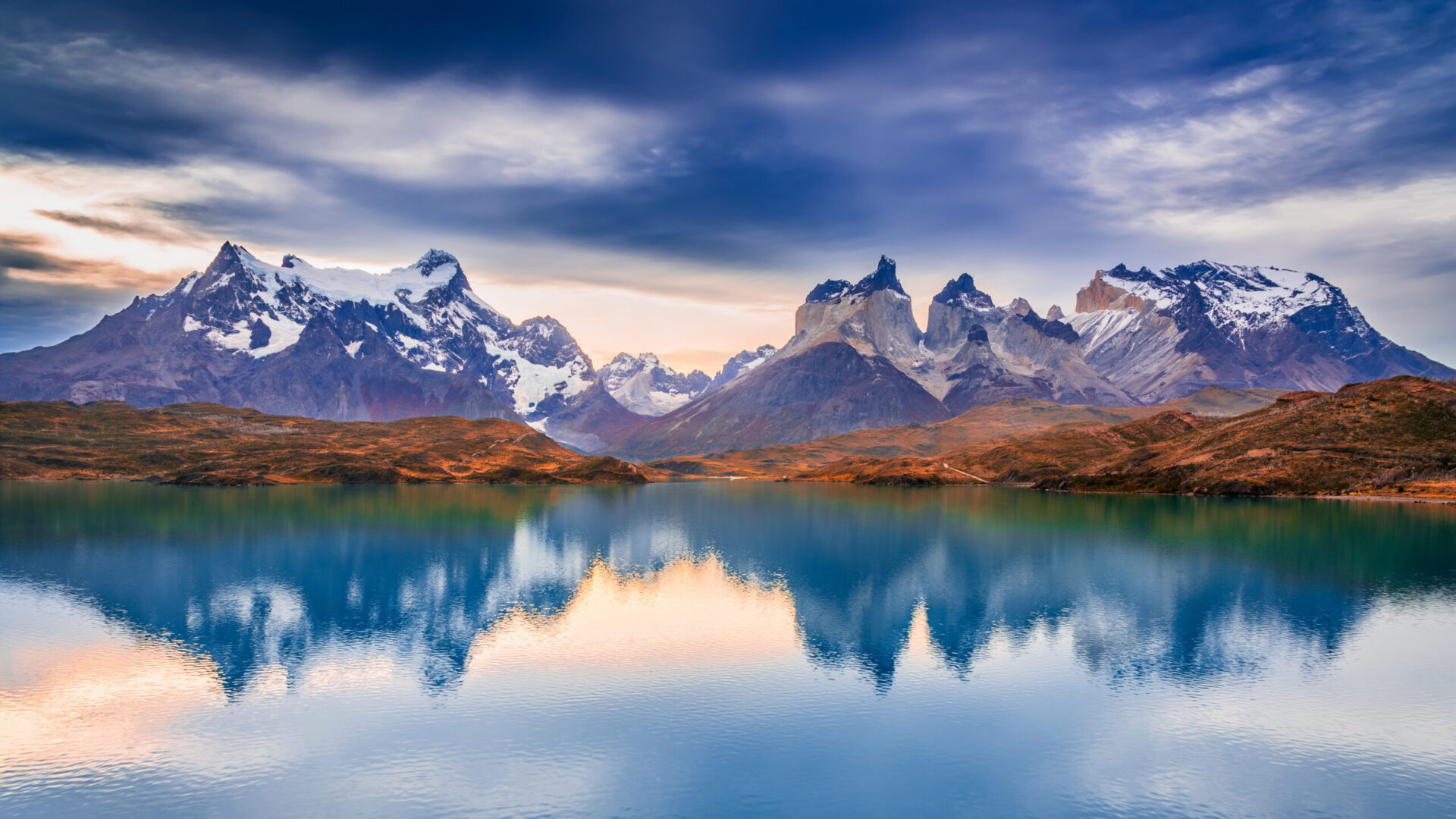
Southern Patagonia is one of the most dramatic landscapes on the planet — a vast wilderness of glaciers, granite peaks, turquoise lakes, and windswept steppe. It is a destination for those who seek raw, untamed nature and the feeling of standing at the edge of the world.
Torres del Paine National Park
Chile's Torres del Paine is the most famous destination in Patagonia, but Argentina's side of the border offers equally spectacular scenery. Los Glaciares National Park in Argentina's Santa Cruz province is home to the Perito Moreno Glacier, one of the few glaciers in the world that is not retreating. Watching massive chunks of ice calve from its 60-metre-high face into the milky blue waters of Lake Argentino is an unforgettable experience.
The town of El Calafate serves as the gateway to the glacier and offers comfortable accommodation, excellent restaurants, and organised tours. From here, you can also access the remote El Chaltén — a small village surrounded by the jagged peaks of the Fitz Roy massif, a paradise for trekkers and climbers.
Wildlife in Patagonia
Patagonia's wildlife is as impressive as its landscapes. Magellanic penguins nest in large colonies along the Atlantic coast, particularly at Punta Tombo near Puerto Madryn — one of the largest penguin colonies in the world. Southern right whales visit the Valdés Peninsula between June and December to breed and nurse their young. Guanacos (wild relatives of the llama) roam the steppe in large herds, and condors soar on thermal currents above the mountains.
Practical Travel Tips for Argentina
Best time to visit: Argentina's seasons are the reverse of the Northern Hemisphere. Buenos Aires is pleasant year-round, but spring (September to November) and autumn (March to May) offer the most comfortable temperatures. Patagonia is best visited from November to March (Southern Hemisphere summer), while Iguazu Falls is accessible year-round.
Getting around: Domestic flights connect Buenos Aires with Iguazu, Mendoza, Bariloche, and Patagonian destinations. Long-distance buses are comfortable and affordable for shorter journeys.
Language: Spanish is the official language. In Buenos Aires and major tourist areas, English is widely spoken in hotels and restaurants, but learning a few basic Spanish phrases is always appreciated.
Currency: Argentina has a complex currency situation with multiple exchange rates. Research current conditions before you travel and use our [currency converter](/currency) to understand the latest exchange rates and plan your spending accordingly.
Safety: Buenos Aires is generally safe for tourists in the main neighbourhoods, but standard urban precautions apply — be aware of your surroundings, avoid displaying expensive items, and use reputable taxi services or ride-sharing apps.
Argentina rewards the curious traveller with experiences that are genuinely unlike anywhere else on Earth. From the sultry rhythms of a Buenos Aires milonga to the thunderous roar of Iguazu Falls and the silent grandeur of a Patagonian glacier, this is a country that leaves a lasting impression. Browse more articles on our [blog](/blog) for more South American travel inspiration.