Back to Blog
Travel Guides8 min readNovember 14, 2026

Chile Travel Guide: Atacama Desert, Patagonia and Santiago Highlights

Explore Chile's extraordinary contrasts -- from the world's driest desert and wild Patagonian wilderness to vibrant Santiago and world-class wine country.
World Cities Team
Chile Travel Guide: Atacama Desert, Patagonia and Santiago Highlights

Chile Travel Guide: Atacama Desert, Patagonia, and Santiago Highlights

Chile is one of the world's most geographically extraordinary countries -- a narrow ribbon of land stretching over 4,300 kilometres from the driest desert on Earth to the wild, wind-swept tip of South America. Within its borders you will find towering Andean volcanoes, ancient indigenous cultures, world-class wine regions, and some of the most dramatic wilderness on the planet. This guide covers the essential highlights for first-time and returning visitors alike.

Santiago: A Vibrant Capital Worth Exploring

Many travellers treat Santiago as a mere gateway, but Chile's capital deserves at least two or three days of dedicated exploration. Nestled in a valley ringed by the snow-capped Andes, Santiago is a modern, cosmopolitan city with a rich cultural scene.

Top Experiences in Santiago

  • Cerro San Cristobal: Take the funicular up to this hilltop park for panoramic views of the city and, on clear days, the entire Andean range stretching to the horizon
  • Barrio Italia and Barrio Lastarria: These bohemian neighbourhoods are packed with independent cafes, vintage shops, street art, and excellent restaurants serving modern Chilean cuisine
  • La Vega Central Market: An authentic, bustling market where locals shop for fresh produce, seafood, and traditional street food -- a far cry from tourist-oriented markets
  • Museo Chileno de Arte Precolombino: One of Latin America's finest collections of pre-Columbian art, housed in a beautifully restored colonial building in the city centre
  • Valparaiso Day Trip: Just 90 minutes from Santiago, this UNESCO-listed port city is famous for its colourful hillside neighbourhoods, street art, and bohemian atmosphere
  • Use our [currency converter](/currency) to plan your budget -- Chile uses the Chilean Peso (CLP), and exchange rates can vary significantly between banks, exchange offices, and ATMs.

    The Atacama Desert: Earth's Most Extraordinary Landscape

    The Atacama Desert in northern Chile is the driest non-polar desert on Earth, and it is one of the most visually stunning places you will ever visit. Despite receiving almost no rainfall, the Atacama is far from lifeless -- it is a landscape of surreal beauty, ancient cultures, and remarkable biodiversity.

    Must-See Atacama Highlights

  • Valle de la Luna (Moon Valley): Named for its uncanny resemblance to a lunar landscape, this valley of salt formations, sand dunes, and eroded rock is best visited at sunset when the colours shift from gold to deep purple
  • El Tatio Geysers: At 4,320 metres above sea level, this geyser field is most spectacular at dawn when steam columns rise dramatically against the cold morning air. Wrap up warmly -- temperatures can drop to -10°C before sunrise
  • Salar de Atacama: Chile's largest salt flat is home to three species of flamingo, which feed in the mineral-rich lagoons at the flat's edges. The contrast of pink birds against white salt and blue sky is unforgettable
  • Stargazing: The Atacama's high altitude, dry air, and minimal light pollution make it one of the world's premier stargazing destinations. Several observatories offer guided night tours with powerful telescopes
  • San Pedro de Atacama: The main base for exploring the desert, this small adobe town has excellent restaurants, tour operators, and accommodation ranging from budget hostels to luxury eco-lodges
  • Check live weather on our [city dashboard](/) before visiting the Atacama -- temperature swings between day and night can exceed 30°C, and altitude sickness is a real consideration above 3,000 metres.

    Patagonia: Wild Wilderness at the End of the World

    Chilean Patagonia is the destination that draws adventurers from every corner of the globe. This vast, wind-swept region of glaciers, fjords, granite towers, and ancient forests is one of the last great wildernesses on Earth.

    Torres del Paine National Park

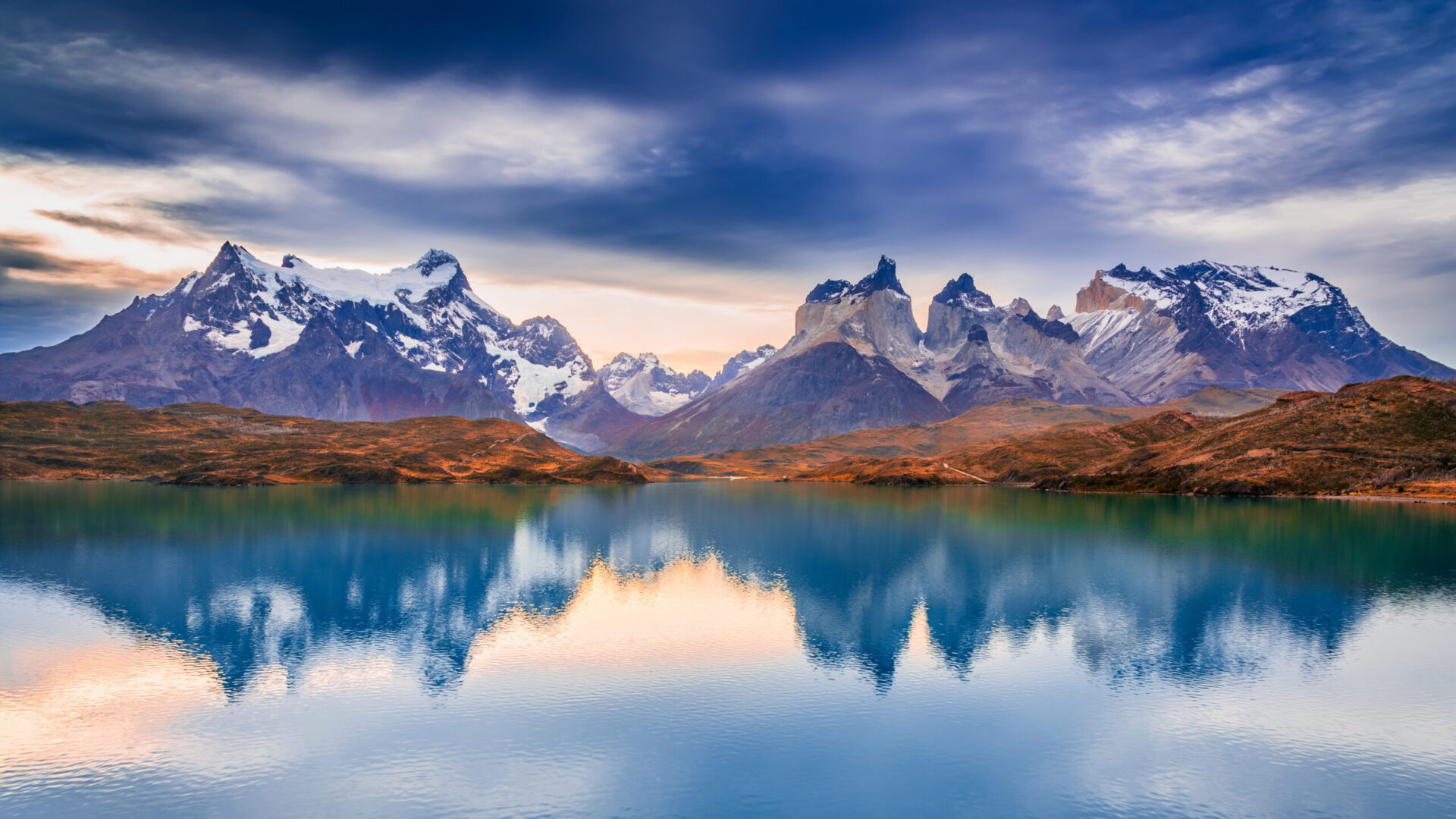
    The crown jewel of Chilean Patagonia, Torres del Paine is famous for its iconic granite towers (the Torres), turquoise lakes, and the famous W Trek -- a multi-day hiking route that passes through the park's most spectacular scenery.

    Key highlights within the park:

  • The Torres: A three-hour hike from the nearest refugio leads to a glacial lake at the base of the three granite towers. Arrive at dawn for the best light and fewer crowds
  • Grey Glacier: One of the most accessible glaciers in Patagonia, this massive river of ice can be viewed from the shore of Lago Grey or explored on guided ice-trekking tours
  • Valle del Frances: A dramatic valley flanked by hanging glaciers and sheer rock faces, with condors frequently soaring overhead
  • Lago Pehoe: The park's most photographed lake, with the Paine Massif reflected in its impossibly blue waters
  • Practical tips for Torres del Paine:

  • Book refugios and campsites well in advance -- the park fills up quickly from November to March
  • The best trekking season runs from October to April; outside this window, many facilities close and weather becomes extreme
  • Wind is the defining feature of Patagonian weather -- gusts can exceed 100 km/h, so quality windproof gear is essential
  • The park entrance fee is payable in Chilean Pesos or US Dollars
  • Carretera Austral: The Road Less Travelled

    For travellers with more time, the Carretera Austral -- a 1,240-kilometre gravel road running through the heart of Chilean Patagonia -- offers one of the world's great road trip experiences. Passing through ancient temperate rainforests, past hanging glaciers and remote fishing villages, this route rewards those willing to venture off the beaten path.

    Chilean Wine Country: The Colchagua and Maipo Valleys

    No visit to Chile is complete without exploring its world-renowned wine regions. The Maipo Valley, just south of Santiago, is famous for its Cabernet Sauvignon, while the Colchagua Valley produces some of South America's finest Carmenere and Syrah.

    Most wineries offer tours and tastings, and many have excellent on-site restaurants. The harvest season (March-April) is a particularly festive time to visit, with grape-picking activities and special events at many estates.

    Essential Chile Travel Tips

  • Best time to visit: October to April for Patagonia and the Lake District; year-round for Santiago and the Atacama (though summer -- December to February -- brings the most reliable weather)
  • Getting around: Domestic flights connect Santiago to Punta Arenas (gateway to Patagonia) and Calama (gateway to the Atacama). Long-distance buses are comfortable and affordable for shorter routes
  • Language: Spanish is the official language; English is spoken in tourist areas but less common in smaller towns
  • Safety: Chile is one of South America's safest countries for travellers, though standard urban precautions apply in Santiago
  • Browse more articles on our [blog](/blog) for detailed guides to specific Chilean regions, packing lists, and budget planning tips for your South American adventure.

    Chile rewards every type of traveller -- whether you come for the wilderness, the culture, the food, or simply the extraordinary landscapes that seem to belong to another world entirely.