Caribbean to Panama Canal Cruise: Ports, Highlights, and Essential Planning Tips
Sail from tropical Caribbean islands through one of the world's greatest engineering marvels — the Panama Canal — on an unforgettable cruise adventure.
# Caribbean to Panama Canal Cruise: Ports, Highlights, and Essential Planning Tips
A Caribbean-to-Panama Canal cruise combines two of the world's most spectacular maritime experiences: island-hopping through turquoise Caribbean waters and transiting the legendary Panama Canal. This itinerary is a bucket-list voyage that blends beach relaxation, cultural exploration, and genuine engineering wonder. Here's everything you need to know to plan and enjoy this remarkable journey.
Why Choose a Panama Canal Cruise?
The Panama Canal is one of humanity's greatest engineering achievements — a 77-kilometre waterway connecting the Atlantic and Pacific Oceans through the narrow isthmus of Panama. Watching your ship rise and fall through the massive lock chambers is a genuinely awe-inspiring experience that no documentary can fully capture.
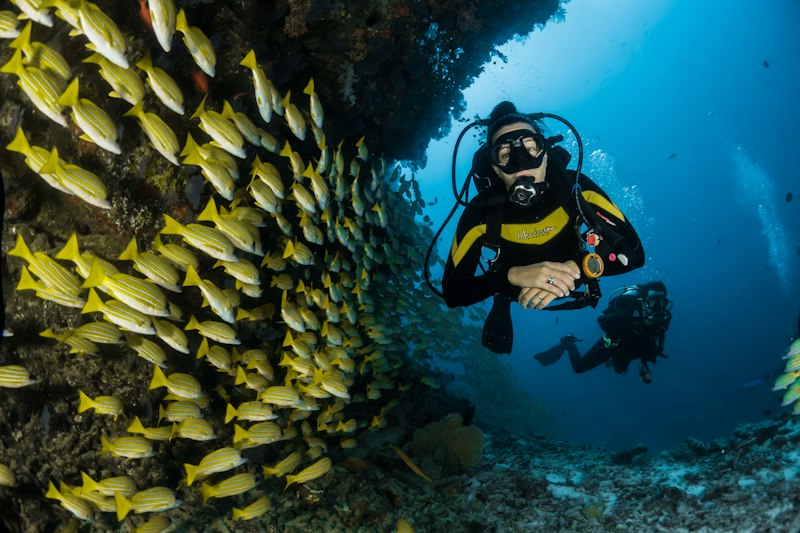
Combined with the natural beauty and cultural richness of Caribbean ports, this itinerary offers extraordinary variety. You might spend a morning snorkelling over a coral reef in Aruba, an afternoon exploring a colonial city in Cartagena, and a full day watching your ship navigate the canal's famous locks.
Full Transit vs. Partial Transit
Key Caribbean Ports of Call
Cartagena, Colombia
Cartagena is one of the Caribbean's most beautiful cities, with a perfectly preserved walled old town (Ciudad Amurallada) that is a UNESCO World Heritage Site. Colourful colonial buildings, flower-draped balconies, and cobblestone streets make it endlessly photogenic.
Check live weather on our [city dashboard](/) to see current conditions in Cartagena before your port day.
Aruba
Aruba sits outside the hurricane belt, giving it reliably sunny weather year-round — one reason it's a perennial cruise favourite. The island is known for its powder-white beaches, particularly Eagle Beach and Palm Beach, and its distinctive desert landscape dotted with cacti and divi-divi trees.
Curaçao
Curaçao's capital Willemstad is instantly recognisable for its row of brightly painted Dutch colonial buildings reflected in the Sint Annabaai harbour. The island has a rich multicultural heritage and some of the best diving in the Caribbean.
Colón, Panama (Canal Gateway)
Colón is the Atlantic gateway to the Panama Canal. While the city itself is best explored on organised tours, the surrounding area offers excellent excursions:
Transiting the Panama Canal: What to Expect
Transit day is the highlight of the entire voyage. Most ships begin the Atlantic approach in the early morning, and the full transit takes approximately 8–10 hours.
The Lock System
The canal uses a series of three lock complexes — Gatún (Atlantic side), Pedro Miguel, and Miraflores (Pacific side). Each lock chamber fills or drains with freshwater from Gatún Lake, raising or lowering ships up to 26 metres.
Tips for Transit Day
Use our [currency converter](/currency) to check exchange rates for both Colombian pesos and Panamanian balboas (which are pegged 1:1 to the US dollar).
Planning Your Cruise
Best Time to Sail
Cruise Lines Offering This Itinerary
Several major cruise lines operate Caribbean-to-Panama Canal itineraries, including Holland America Line, Princess Cruises, Celebrity Cruises, and Norwegian Cruise Line. Itinerary lengths typically range from 10 to 16 nights.
Packing Essentials
Shore Excursion Strategy
Browse more articles on our [blog](/blog) for detailed port guides, packing lists, and tips on getting the most from every Caribbean cruise stop.