Galápagos Cruise Guide: Wildlife, Islands, and Expedition Planning Tips
Sail through one of Earth's most extraordinary ecosystems — the Galápagos Islands offer unparalleled wildlife encounters and pristine natural beauty on every cruise itinerary.
# Galápagos Cruise Guide: Wildlife, Islands, and Expedition Planning Tips
Few destinations on earth can match the Galápagos Islands for sheer wildlife spectacle and ecological wonder. This remote volcanic archipelago, straddling the equator 1,000 kilometres off the coast of Ecuador, is home to creatures found nowhere else on the planet — giant tortoises, marine iguanas, blue-footed boobies, and sea lions so unafraid of humans they'll nap beside you on the beach. Exploring the Galápagos by cruise ship is the definitive way to experience the islands, allowing you to visit multiple sites across the archipelago while sleeping aboard your vessel each night.
Why Cruise the Galápagos?
The Galápagos National Park covers 97% of the archipelago's land area, and access to visitor sites is strictly controlled. A cruise is not just the most comfortable way to see the islands — it's often the most practical. Many of the best wildlife sites are only accessible by boat, and overnight cruises allow you to reach remote islands that day-trippers from the main towns simply cannot visit.
Key advantages of a Galápagos cruise:
Use our [currency converter](/currency) to compare prices in US dollars (the official currency of Ecuador and the Galápagos) and plan your expedition budget.
Choosing Your Galápagos Cruise
Galápagos cruises range from budget-friendly motor yachts to ultra-luxury expedition vessels. Understanding the differences will help you choose the right experience.
Vessel Types
Itinerary Length
Galápagos cruises typically run for 4, 7, or 14 days. A 7-day cruise is the sweet spot for most travellers, allowing visits to both the western and eastern islands. The western islands (Fernandina and Isabela) are the most volcanically active and home to the largest concentrations of marine iguanas and flightless cormorants.
Wildlife You'll Encounter
The Galápagos is justifiably famous for its extraordinary wildlife, much of which has evolved in isolation and shows no fear of humans. This makes for some of the most intimate wildlife encounters on the planet.
Land Wildlife
Seabirds
Marine Life
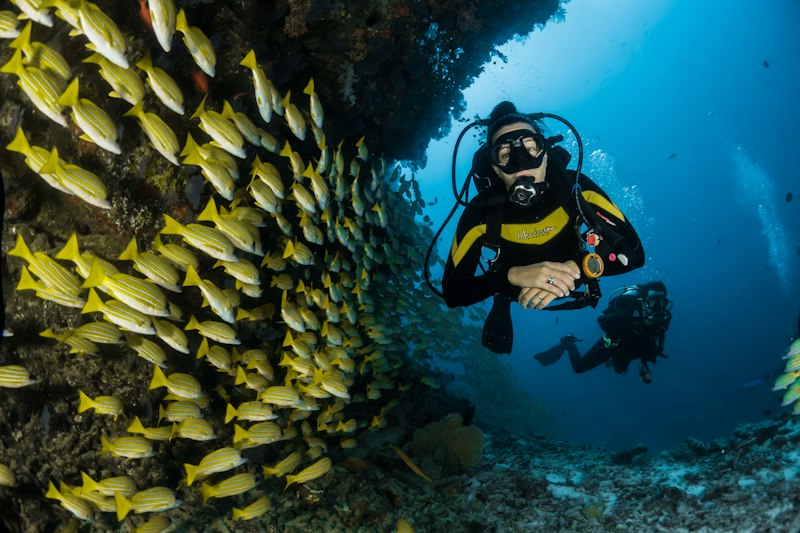
Snorkelling in the Galápagos is world-class. Expect to swim alongside sea turtles, reef sharks, rays, sea lions, and schools of tropical fish. The waters around Wolf and Darwin Islands (accessible only on longer itineraries) are famous for whale shark aggregations from June to November.
Check live weather on our [city dashboard](/) for current conditions in the Galápagos and the best months for calm seas and wildlife activity.
Island-by-Island Highlights
Santa Cruz
The most visited island and home to Puerto Ayora, the archipelago's largest town. Must-sees include the Charles Darwin Research Station, the El Chato Tortoise Reserve, and the lava tubes near the highlands.
Española (Hood Island)
The oldest island in the archipelago and one of the most rewarding for wildlife. Home to the waved albatross colony, Nazca boobies, marine iguanas, and the famous blowhole at Punta Suárez.
Fernandina
The youngest and most volcanically active island, with no introduced species. Punta Espinoza offers extraordinary concentrations of marine iguanas and the rare flightless cormorant.
Genovesa (Tower Island)
A remote island shaped like a horseshoe, famous for its enormous red-footed booby colony and short-eared owls that hunt storm petrels in daylight.
Practical Planning Tips
When to go: The Galápagos is a year-round destination. The warm season (December–May) brings calmer seas, warmer water, and lush green landscapes. The cool season (June–November) offers better visibility for snorkelling and whale shark sightings.
Booking in advance: Popular cruise dates sell out 6–12 months ahead. Last-minute deals are sometimes available in Puerto Ayora, but choice is limited.
What to pack: Reef-safe sunscreen, a good snorkel mask (rental quality varies), lightweight quick-dry clothing, a waterproof camera, and sturdy water shoes for wet landings on rocky shores.
Entry requirements: All visitors must pay a Galápagos National Park entrance fee (currently $200 USD for most nationalities) upon arrival. A Transit Control Card is also required and purchased before boarding your flight to the islands.
Seasickness: The waters between islands can be choppy, particularly in the cool season. Bring motion sickness medication if you're susceptible — even experienced sailors can find the open-ocean crossings challenging.
Browse more articles on our [blog](/blog) for more cruise destination guides and expedition travel tips from around the world.
Conservation and Responsible Travel
The Galápagos is one of the world's most carefully managed ecosystems. As a visitor, you play a role in its preservation:
A Galápagos cruise is more than a holiday — it's an encounter with the natural world at its most raw and extraordinary. The islands have a way of changing how you see the planet, and the wildlife encounters you experience here will stay with you for a lifetime.