Hidden Fees Abroad: How to Keep More of Your Travel Money
From sneaky ATM charges to dynamic currency conversion traps, discover the fees that quietly drain your travel budget and how to avoid every one of them.

The Silent Budget Killers Every Traveler Faces
You've saved for months, booked the flights, and packed your bags — but have you accounted for the invisible fees that chip away at your travel budget the moment you land? Hidden charges on international transactions are among the most common (and preventable) ways travelers lose money abroad. Understanding where these fees lurk is the first step to keeping more cash in your pocket.
Use our [currency converter](/currency) to plan your budget before you depart, so you know exactly how much local currency you should be carrying at each destination.
Dynamic Currency Conversion: The Trap at Every Card Terminal
One of the most widespread hidden fees is dynamic currency conversion (DCC) — and it's entirely optional, even though merchants rarely make that clear. Here's how it works:
Always choose to pay in the local currency. Your card's network (Visa, Mastercard) will apply a far more competitive rate, and many travel-friendly cards charge zero foreign transaction fees on top of that.
How to Spot DCC Before It's Too Late
The DCC prompt can appear on handheld card readers, hotel checkout screens, and even ATMs. Watch for phrases like *"Pay in USD"* or *"Converted for your convenience."* If you see your home currency displayed before you confirm a transaction, that's DCC — decline it and select the local currency instead.
ATM Fees: The Double (and Triple) Charge
Withdrawing cash abroad can trigger a surprising chain of fees:
On a single $200 withdrawal, you could lose $15 or more to fees alone — that's 7.5% of your cash gone before you've spent a single cent.
Strategies to minimize ATM fees:
Browse more articles on our [blog](/blog) for deeper dives into travel banking strategies.
Credit Card Foreign Transaction Fees
Many standard credit cards charge a foreign transaction fee of 1–3% on every purchase made outside your home country. On a two-week trip with $3,000 in card spending, that's up to $90 in fees you'd never notice on your statement unless you looked closely.
The good news: dozens of travel credit cards now offer zero foreign transaction fees as a standard feature. Before your next trip, check your card's terms or call your bank. If you're paying foreign transaction fees, it may be worth applying for a travel-focused card before you depart.
What to Look for in a Travel Card
Hotel and Booking Platform Fees
Hidden fees aren't limited to banking. The travel industry has its own set of charges that appear only at checkout:
Pro tip: Always book directly with the hotel when possible. Hotels are often required to match or beat third-party prices for direct bookings, and you avoid platform service fees entirely.
Currency Exchange Booths: The Worst Rate in the Airport
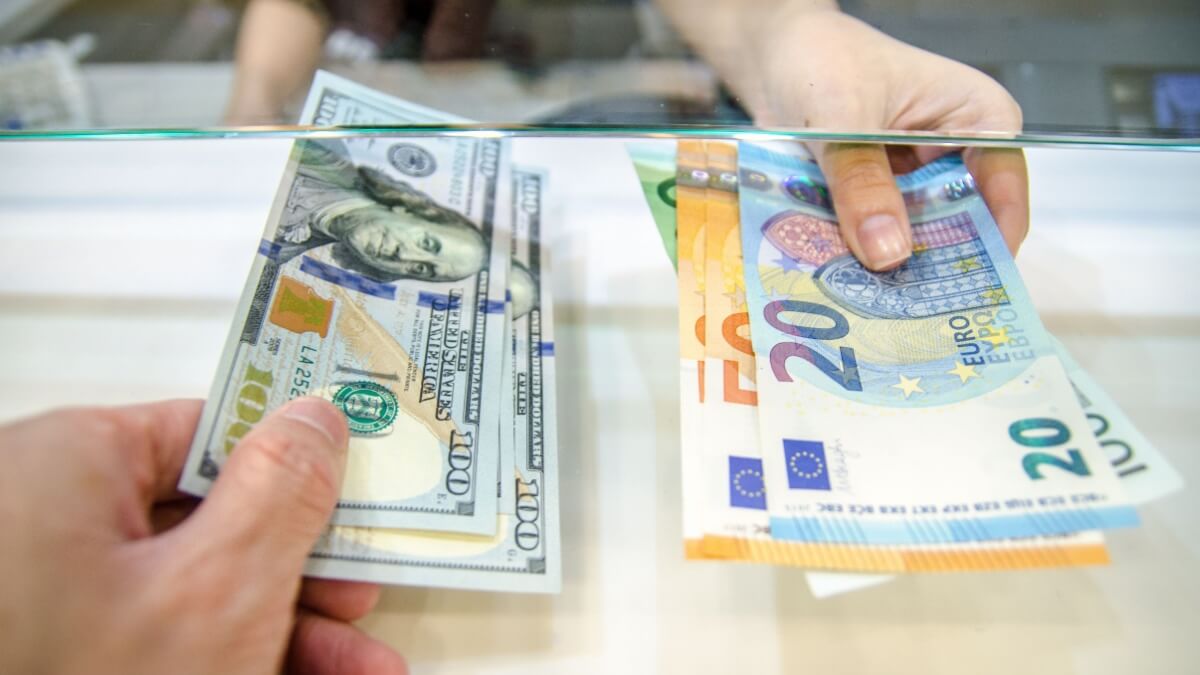
Airport currency exchange booths are convenient — and almost universally terrible value. Rates at airport kiosks are typically 8–15% worse than interbank rates, and many also charge a flat commission fee on top.
If you need local currency on arrival:
Use our [currency converter](/currency) to check live rates and see exactly what you should be getting before you exchange a single note.
Building Your Fee-Free Travel Toolkit
With a little preparation, you can eliminate most hidden travel fees entirely:
The travelers who keep the most money abroad aren't necessarily the ones who spend the least — they're the ones who've learned where the fees hide and built simple habits to avoid them. A few minutes of preparation before each trip can save you hundreds of dollars over the course of a year of travel.