New Zealand South Island Travel Guide: Fjords, Glaciers, and Epic Adventures Await
The South Island of New Zealand is one of the world's great adventure destinations. From Milford Sound's dramatic fjords to Franz Josef Glacier, discover the ultimate travel guide.
Why the South Island of New Zealand Belongs on Your Bucket List
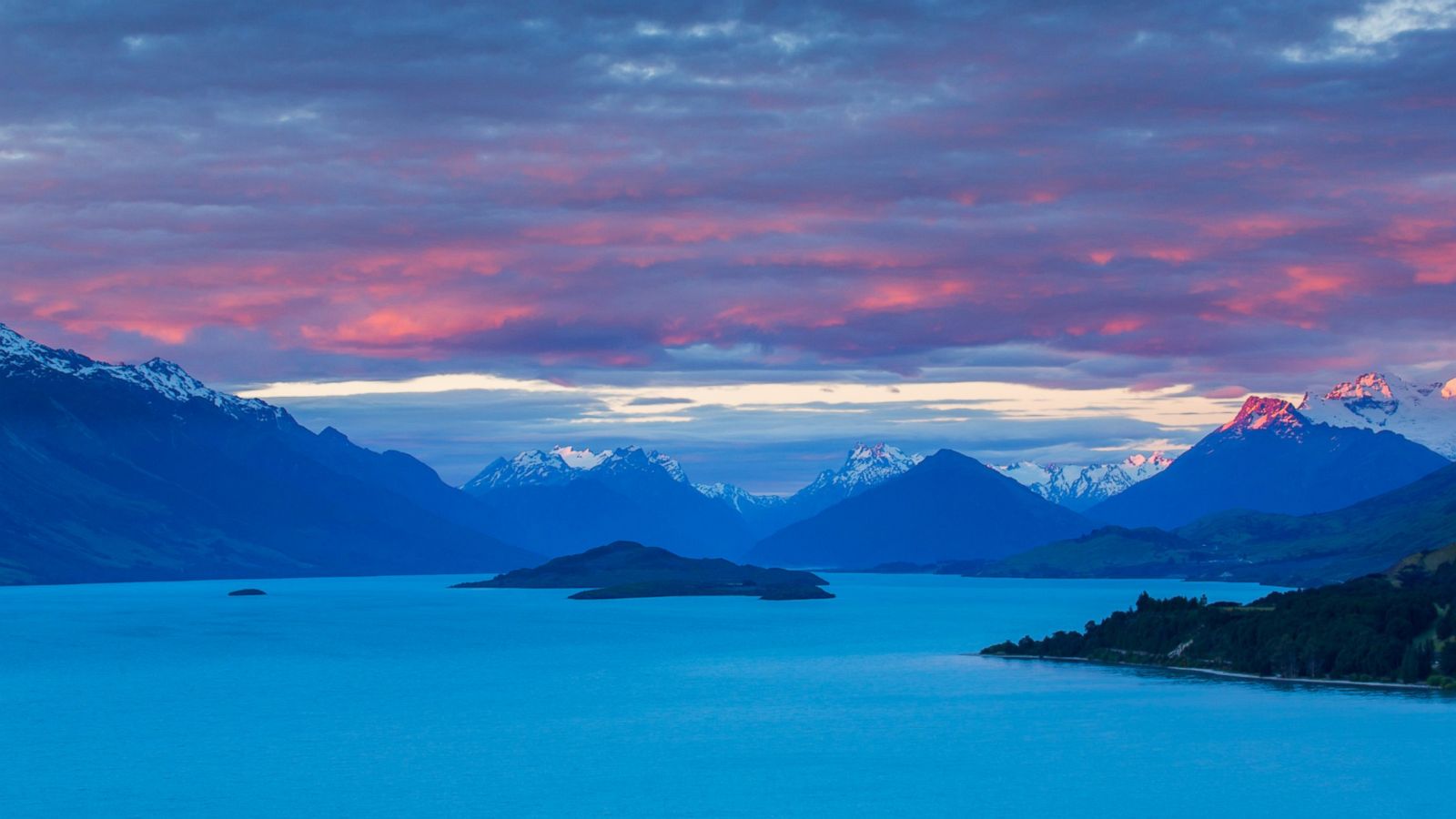
New Zealand's South Island is a destination that consistently leaves travellers speechless. Packed into an area roughly the size of the United Kingdom, you will find some of the most dramatic and diverse landscapes on Earth: ancient glaciers descending to temperate rainforests, mirror-still fjords flanked by sheer rock walls, golden vineyard valleys, and mountain ranges that inspired the landscapes of Middle-earth.
This is a destination for those who want to feel genuinely small in the face of nature's grandeur — and who want to fill their days with experiences that range from serene to heart-pounding. Use our [currency converter](/currency) to plan your budget before you go, as New Zealand offers excellent value for international visitors.
Queenstown: The Adventure Capital of the World
No South Island itinerary is complete without time in Queenstown, a compact lakeside town that has earned its reputation as the world's adventure capital many times over. Set on the shores of Lake Wakatipu with the Remarkables mountain range as a backdrop, Queenstown is simultaneously one of the most beautiful and most adrenaline-charged towns on the planet.
Must-Do Adventures in Queenstown
Practical tip: Queenstown's adventure activities book out quickly during peak season (December–February). Reserve your preferred activities at least a week in advance.
Milford Sound: New Zealand's Most Iconic Landscape
Located within Fiordland National Park — a UNESCO World Heritage Site — Milford Sound is arguably the most dramatic landscape in the Southern Hemisphere. Sheer rock walls rise up to 1,200 metres directly from the water's surface, waterfalls cascade hundreds of metres into the fjord, and the resident population of bottlenose dolphins, fur seals, and penguins adds extraordinary wildlife encounters to an already spectacular scene.
How to Experience Milford Sound
Weather note: Milford Sound receives over 7,000mm of rainfall annually — one of the wettest places on Earth. Rain actually enhances the experience, as hundreds of temporary waterfalls appear on the cliff faces. Check live weather on our [city dashboard](/) before planning your visit.
Franz Josef and Fox Glaciers: Ice Meets Rainforest
On the West Coast, two of the world's most accessible glaciers descend from the Southern Alps directly into temperate rainforest — a geological phenomenon found almost nowhere else on Earth. Franz Josef Glacier and Fox Glacier can be explored on foot (guided walks on the terminal face), by helicopter (landing on the upper glacier for ice hiking), or by scenic flight.
The surrounding Westland Tai Poutini National Park is also home to the rare kiwi bird, and guided night walks offer a genuine chance of spotting New Zealand's beloved national symbol in the wild.
The Marlborough Wine Region: Sauvignon Blanc Country
At the northern tip of the South Island, the Marlborough region produces some of the world's finest Sauvignon Blanc — a wine style that has become synonymous with New Zealand. The Wairau Valley's combination of long sunny days, cool nights, and free-draining soils creates ideal conditions for aromatic, intensely flavoured white wines.
Over 150 wineries operate in the region, many offering cellar door tastings and vineyard lunches. The Marlborough Wine and Food Festival in February is one of New Zealand's most celebrated annual events.
Beyond wine: The Marlborough Sounds — a labyrinth of drowned river valleys at the top of the South Island — offer world-class sea kayaking, cycling on the Queen Charlotte Track, and some of the country's best mussel and salmon aquaculture experiences.
Abel Tasman National Park: Golden Beaches and Coastal Trails
New Zealand's smallest national park packs an extraordinary amount of beauty into its compact boundaries. Abel Tasman is famous for its golden granite beaches, crystal-clear turquoise water, and the 60-kilometre Abel Tasman Coast Track — one of the country's most popular Great Walks.
Unlike the dramatic alpine scenery of Fiordland, Abel Tasman offers a gentler, sunnier experience: kayaking between beaches, spotting fur seals on rocky outcrops, and swimming in sheltered bays with water temperatures that are genuinely inviting in summer.
Practical Travel Information
Getting Around
The South Island is best explored by rental car or campervan — public transport is limited outside major centres, and the freedom to stop at viewpoints, hidden beaches, and roadside attractions is a significant part of the experience. The State Highway 6 (West Coast Road) and State Highway 1 (East Coast) are both spectacular drives.
Best Time to Visit
Budget Planning
Use our [currency converter](/currency) to convert your home currency to New Zealand dollars before you travel. New Zealand is moderately priced by international standards — budget travellers can manage on NZD 80–120 per day, while mid-range travellers should expect NZD 150–250 per day including accommodation, food, and activities.
Final Thoughts
New Zealand's South Island is one of those rare destinations that exceeds even the highest expectations. The landscapes are genuinely as dramatic as the photographs suggest, the adventure activities are world-class, and the combination of Māori culture, world-class wine, and extraordinary wildlife creates a travel experience unlike anywhere else on Earth. Whether you have two weeks or two months, the South Island will leave you planning your return before you have even left.