New Zealand Travel Guide: North and South Island Essentials for Every Explorer
From volcanic peaks and Maori culture to fjords and adventure sports, New Zealand packs extraordinary diversity into two stunning islands.
Why New Zealand Belongs on Every Traveller's Bucket List
New Zealand is one of those rare destinations that genuinely exceeds expectations. Spread across two main islands in the South Pacific, this compact country delivers an astonishing range of landscapes, cultures, and experiences. Whether you are chasing adrenaline on the South Island's rugged terrain or soaking up Maori heritage in the North, New Zealand rewards every type of traveller with something unforgettable.
The country's relatively small size is deceptive. You can drive from subtropical beaches to snow-capped mountains within a few hours, and the quality of infrastructure makes independent travel straightforward and deeply satisfying. New Zealand consistently ranks among the world's safest and most welcoming destinations, making it ideal for solo travellers, families, and couples alike.
Exploring the North Island: Volcanoes, Culture, and Coastline
The North Island is where most international visitors begin their journey, and for good reason. Auckland, the country's largest city, offers a vibrant food scene, excellent museums, and easy access to the Waitemata Harbour. Take the ferry to Waiheke Island for world-class wineries and golden beaches, or climb the volcanic cone of Rangitoto for panoramic harbour views.
Heading south, Rotorua is the cultural and geothermal heart of the North Island. Here you can:
Further south, Wellington punches well above its weight as a capital city. The Te Papa Tongarewa national museum is world-class and free to enter, while the Cuba Street precinct buzzes with independent cafes, galleries, and live music venues. The cable car ride up to the Botanic Garden offers sweeping views over the harbour.
Tongariro National Park, a UNESCO World Heritage Site, is home to the legendary Tongariro Alpine Crossing — widely regarded as one of the finest single-day hikes in the world. The 19.4-kilometre trail passes active volcanic craters, emerald lakes, and dramatic lava fields. Book transport and accommodation well in advance, especially during summer (December to February).
Check live weather on our [city dashboard](/) before planning your Tongariro crossing, as conditions can change rapidly.
Discovering the South Island: Fjords, Glaciers, and Alpine Adventure
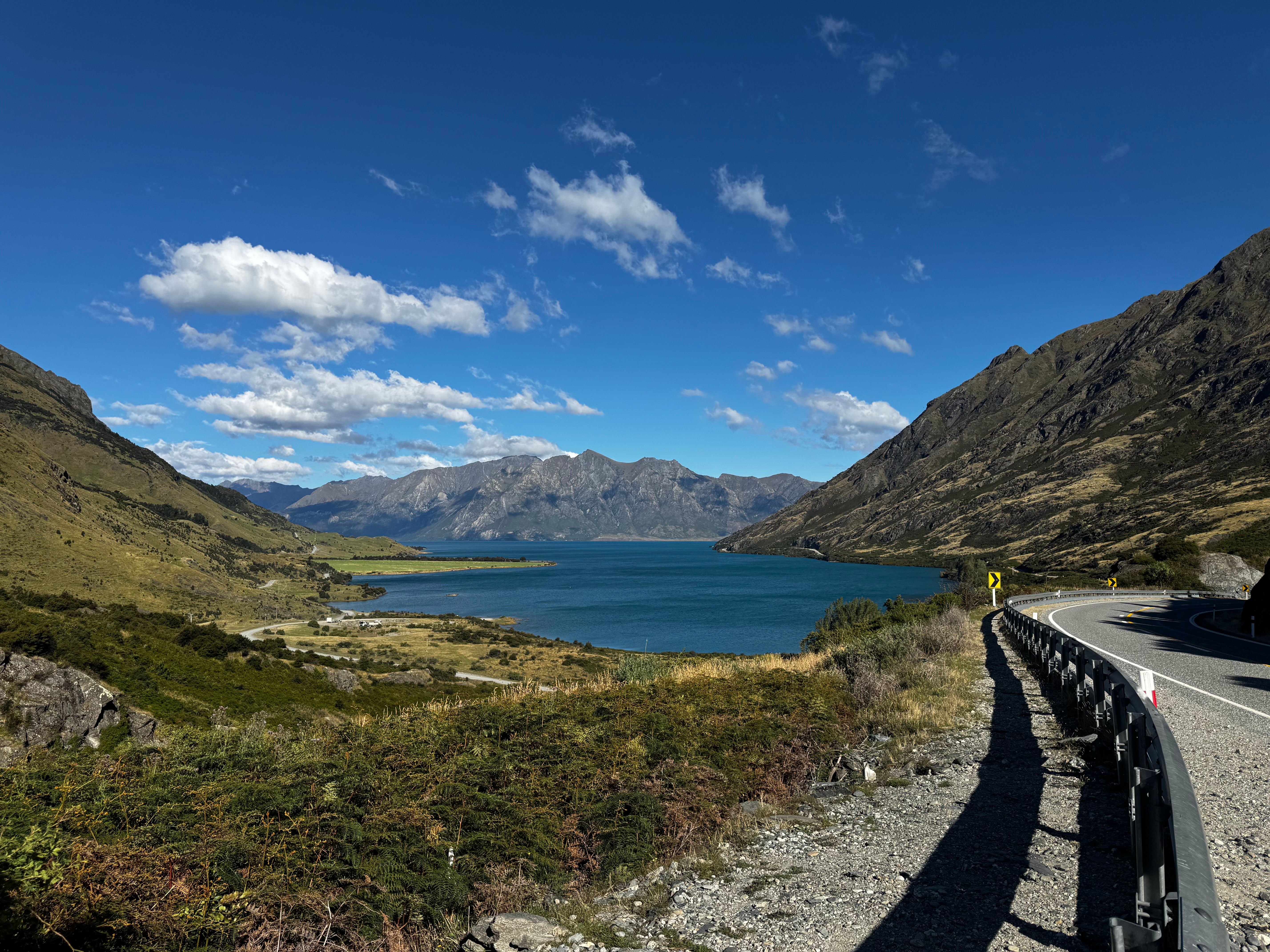
The South Island is where New Zealand's dramatic scenery reaches its peak. Queenstown, perched on the shores of Lake Wakatipu with the Remarkables mountain range as a backdrop, is the adventure capital of the world. Bungee jumping, skydiving, white-water rafting, and jet boating are all on the menu, but the town also offers excellent restaurants, craft breweries, and a lively après-ski culture in winter.
Fiordland National Park is arguably the most spectacular wilderness area in the Southern Hemisphere. Milford Sound, accessible by road or scenic flight, is a place of almost supernatural beauty — sheer granite cliffs plunge into dark waters, waterfalls cascade from every direction, and fur seals bask on rocky outcrops. Doubtful Sound, reached by boat across Lake Manapouri, is even more remote and serene.
The West Coast offers a different kind of grandeur. Franz Josef and Fox Glaciers descend from the Southern Alps almost to sea level, a geological phenomenon found nowhere else on Earth at this latitude. Guided glacier walks and helicopter tours allow you to explore the blue ice up close. Nearby, the Pancake Rocks at Punakaiki are a surreal coastal formation where limestone has eroded into stacked layers resembling giant pancakes.
Christchurch, the South Island's largest city, has reinvented itself following the 2011 earthquake with innovative architecture, a thriving arts scene, and the beautiful Botanic Gardens. The Cardboard Cathedral and the colourful street art of the Re:START container mall are symbols of the city's remarkable resilience and creativity.
Practical Travel Tips for New Zealand
Best time to visit: New Zealand is a year-round destination, but the summer months of December through February offer the warmest weather and longest days. Shoulder seasons (March-May and September-November) bring fewer crowds and often spectacular autumn foliage or spring wildflowers.
Getting around: A rental car or campervan gives you the most flexibility. New Zealand's roads are generally excellent, though some scenic routes involve narrow, winding mountain passes. Domestic flights connect major cities quickly, and the Interislander ferry between Wellington and Picton is a scenic journey in itself.
Currency and costs: New Zealand uses the New Zealand Dollar (NZD). The country is not cheap — budget travellers should expect to spend NZD 80-120 per day on a tight budget, while mid-range travellers typically spend NZD 150-250. Use our [currency converter](/currency) to plan your budget before you travel.
Accommodation: Options range from world-class lodges and boutique hotels to excellent holiday parks and backpacker hostels. Booking ahead is essential during peak summer season, particularly in Queenstown and around Milford Sound.
Maori Culture: An Essential Part of the New Zealand Experience
No visit to New Zealand is complete without engaging meaningfully with Maori culture, the indigenous heritage that shapes the country's identity. The Treaty of Waitangi, signed in 1840, is the founding document of modern New Zealand, and its principles continue to influence law, language, and society.
Opportunities to experience Maori culture authentically include:
The haka, often associated with the All Blacks rugby team, is a powerful ceremonial dance with deep spiritual significance. Witnessing a traditional haka performance in its proper cultural context is a moving and memorable experience.
Wildlife and Nature Encounters
New Zealand's geographic isolation has produced some of the world's most unique wildlife. The kiwi, the country's flightless national bird, is nocturnal and shy, but dedicated wildlife sanctuaries like Zealandia in Wellington offer excellent chances of a sighting. The tuatara, a reptile unchanged for 200 million years, can be seen at several wildlife centres.
Marine wildlife is equally spectacular. Kaikoura on the South Island's east coast is one of the world's best places to see sperm whales year-round, as well as dusky dolphins, New Zealand fur seals, and albatross. Whale-watching boat tours operate daily, weather permitting.
Browse more articles on our [blog](/blog) for destination guides, travel tips, and seasonal travel inspiration to help you plan the perfect New Zealand adventure.
Final Thoughts
New Zealand is a destination that stays with you long after you leave. Its combination of breathtaking natural beauty, warm and welcoming people, rich indigenous culture, and world-class adventure activities creates an experience that is genuinely difficult to replicate anywhere else on Earth. Whether you have two weeks or two months, every day in New Zealand feels like a privilege.