Portugal's Algarve: Beaches, Dramatic Cliffs, and Charming Coastal Villages
Discover the Algarve's golden beaches, towering sea cliffs, and whitewashed fishing villages — Portugal's most spectacular coastal region awaits.
Why the Algarve Belongs on Every Traveller's Bucket List
Stretching along Portugal's southernmost tip, the Algarve is one of Europe's most celebrated coastal destinations — and for very good reason. With over 300 days of sunshine per year, a dramatic coastline sculpted by millennia of Atlantic waves, and a laid-back culture built around fresh seafood and warm hospitality, this region delivers an experience that stays with you long after you've returned home.
Whether you're a beach lover, a history enthusiast, a foodie, or an outdoor adventurer, the Algarve has something extraordinary to offer. Here's your complete guide to making the most of this sun-drenched corner of southern Europe.
Iconic Beaches and Coastal Landscapes
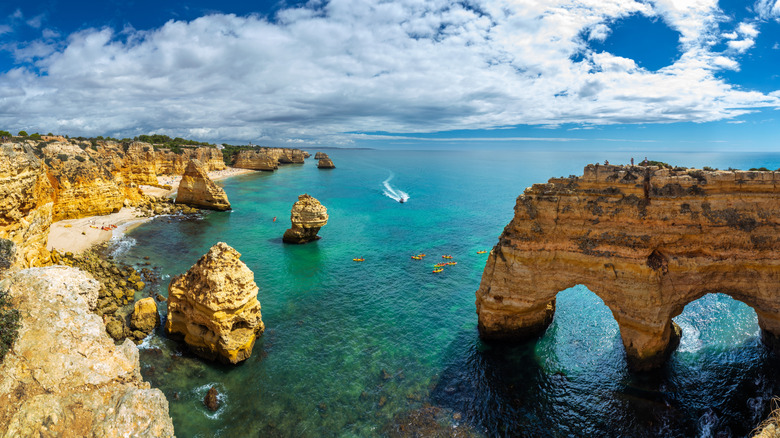
The Algarve's coastline is divided into two distinct personalities. The western Barlavento coast is defined by towering golden limestone cliffs, hidden sea caves, and dramatic rock formations that photographers dream about. The eastern Sotavento coast offers long, flat barrier islands and tranquil lagoons perfect for families and water sports enthusiasts.
Must-Visit Beaches
Check live weather on our [city dashboard](/) before heading to the beach — the Algarve's microclimates can vary significantly between the western and eastern coasts.
Exploring the Algarve's Historic Towns
Beyond the beaches, the Algarve's inland towns and coastal villages offer a fascinating window into Portuguese history and culture.
Lagos
Lagos is the Algarve's most historically rich town, with a beautifully preserved old quarter enclosed by ancient city walls. Wander through cobblestone streets lined with azulejo-tiled buildings, visit the ornate Igreja de Santo António with its gilded baroque interior, and explore the Slave Market Museum — one of Europe's first slave markets, now a sobering and important historical site.
The town's marina buzzes with activity, offering boat tours to sea caves, dolphin-watching excursions, and sunset sailing trips along the coast.
Silves
Perched above the Arade River, Silves was once the Moorish capital of the Algarve and remains one of the region's most atmospheric inland towns. The Castelo de Silves — a remarkably well-preserved red sandstone fortress — dominates the skyline and offers panoramic views over orange groves and rolling hills. The town's medieval cathedral and charming riverside cafés make it an ideal half-day excursion from the coast.
Tavira
Often called the Algarve's most elegant town, Tavira straddles the Gilão River with a graceful collection of Roman bridges, whitewashed churches, and traditional four-sided rooftops unique to this part of Portugal. The town's relaxed pace and authentic character make it a favourite among travellers seeking an alternative to the busier resort towns.
Food and Drink: A Coastal Feast
Algarve cuisine is built on the extraordinary quality of its local ingredients — freshly caught fish, sun-ripened vegetables, fragrant herbs, and world-class olive oil.
What to Eat
Browse more articles on our [blog](/blog) for detailed food guides to Portugal's other incredible culinary regions.
Outdoor Adventures and Activities
The Algarve's varied landscape — from Atlantic cliffs to cork oak forests and river valleys — makes it a superb destination for outdoor enthusiasts.
Top Activities
Practical Travel Tips
Getting There and Around
Faro International Airport is the Algarve's main gateway, with direct flights from major European cities. Car hire is the most flexible way to explore the region, allowing you to reach hidden beaches and inland villages at your own pace. The Algarve Line train connects Faro to Lagos in the west and Vila Real de Santo António on the Spanish border in the east.
Best Time to Visit
Budget Planning
Use our [currency converter](/currency) to plan your budget before you travel — the euro is Portugal's currency, and the Algarve offers excellent value compared to many other European coastal destinations, particularly if you visit outside peak summer months.
Final Thoughts
The Algarve is one of those rare destinations that genuinely lives up to its reputation. From the jaw-dropping beauty of its sea cliffs and hidden coves to the warmth of its people and the extraordinary quality of its food, this corner of Portugal has an almost magnetic pull that keeps travellers returning year after year. Plan your visit, pack light, and prepare to fall completely in love with Europe's sunniest coastline.