Red Sea Cruise Guide: Egypt, Jordan, and Saudi Arabia's Most Stunning Ports
Discover the ancient wonders and crystal-clear waters of a Red Sea cruise, from Petra's rose-red city to Egypt's legendary dive sites.
Why a Red Sea Cruise Belongs on Your Bucket List
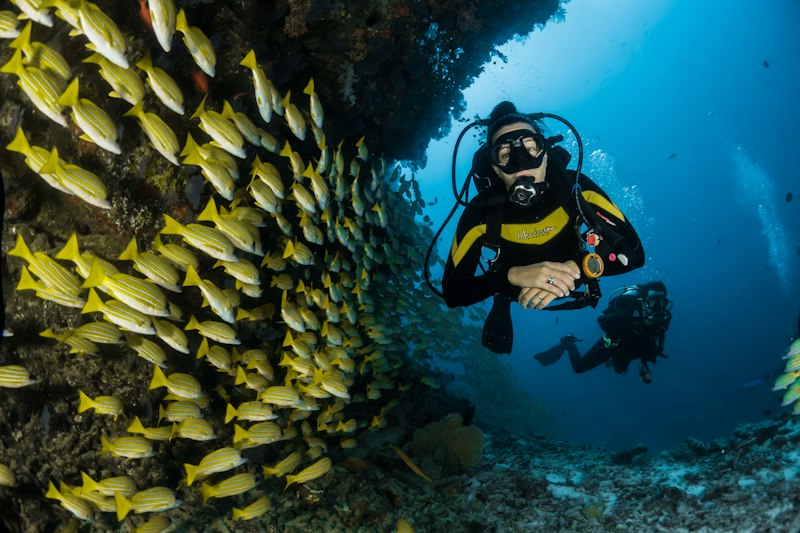
The Red Sea is one of the world's most extraordinary bodies of water — a narrow strip of vivid blue stretching between Africa and the Arabian Peninsula, flanked by ancient civilisations, dramatic desert landscapes, and some of the planet's most spectacular coral reefs. A cruise through these waters is unlike any other voyage: you wake each morning to a new port steeped in thousands of years of history, then spend your afternoons snorkelling above technicolour reef systems that rival the Great Barrier Reef.
Whether you're a history enthusiast, a diving devotee, or simply someone who wants to experience a part of the world that feels genuinely off the beaten path, a Red Sea cruise delivers in every direction. Here's everything you need to plan your journey.
Key Ports of Call
Aqaba, Jordan — Gateway to Petra
Aqaba is Jordan's only coastal city and the most popular Red Sea cruise port for good reason: it sits just 90 minutes from Petra, the ancient Nabataean city carved directly into rose-red sandstone cliffs. Most cruise itineraries offer full-day excursions to Petra, and this is one shore excursion you should never skip.
Beyond Petra, Aqaba itself has a relaxed, welcoming atmosphere. The waterfront promenade is lined with cafés and seafood restaurants, and the city's own coral reefs — accessible directly from the beach — are among the most pristine in the entire Red Sea. Snorkelling gear is available for hire at multiple points along the shore.
Safaga and Luxor, Egypt
Safaga is a small Egyptian port town that serves primarily as the jumping-off point for excursions to Luxor, one of the greatest open-air museums on earth. The ancient temples of Karnak and Luxor, the Valley of the Kings, and the mortuary temple of Hatshepsut are all within reach on a full-day tour.
For those who prefer to stay closer to the water, Safaga's own reefs are world-class. The area is particularly famous for its strong, consistent winds, making it a favourite destination for windsurfers and kitesurfers. Several dive centres operate directly from the port.
Check live weather on our [city dashboard](/) before your shore excursion to Luxor — summer temperatures can exceed 40°C, so early morning departures are strongly recommended.
Sharm el-Sheikh, Egypt
Sharm el-Sheikh is the Red Sea's most developed resort destination and a frequent stop on longer cruise itineraries. The town itself is modern and tourist-friendly, but the real draw is what lies beneath the surface. Ras Mohammed National Park, located at the very tip of the Sinai Peninsula, protects some of the most biodiverse reef systems in the world.
The famous Blue Hole dive site near Dahab (accessible by day trip) is one of the most photographed underwater locations on the planet. Even non-divers can experience the reef's magic through glass-bottom boat tours that depart regularly from the marina.
NEOM and Tabuk Region, Saudi Arabia
Saudi Arabia has opened its doors to international tourism in recent years, and Red Sea cruise itineraries increasingly include stops along the Saudi coastline. The Tabuk region offers access to ancient Nabataean ruins at Hegra (also known as Mada'in Saleh), often described as a less-crowded alternative to Petra with equally impressive rock-cut tombs.
The Saudi Red Sea coastline also features some of the most untouched coral reefs in the region — a result of decades of limited tourist access that has allowed marine ecosystems to flourish undisturbed.
What to Pack for a Red Sea Cruise
The Red Sea climate is warm to hot year-round, but the best cruising conditions occur between October and April, when temperatures are comfortable and winds are calmer.
Use our [currency converter](/currency) to plan your budget across multiple currencies — you'll be spending Egyptian pounds, Jordanian dinars, and Saudi riyals on a typical Red Sea itinerary.
Choosing the Right Red Sea Cruise
Itinerary Length
Red Sea cruises typically range from 7 to 14 nights. Shorter itineraries tend to focus on Egypt and Jordan, while longer voyages incorporate Saudi Arabian ports and sometimes extend into the Gulf of Aden or the Indian Ocean.
Cruise Lines Operating in the Region
Several major cruise lines now offer dedicated Red Sea itineraries, including MSC Cruises, Costa Cruises, and various luxury expedition operators. Expedition-style ships are particularly well-suited to this region, as they can access smaller ports and offer specialist naturalist guides for reef and archaeological sites.
Expedition vs. Resort-Style Cruising
Browse more articles on our [blog](/blog) for detailed comparisons of cruise styles and what suits different types of travellers.
Practical Planning Tips
Visas: Requirements vary significantly by nationality. Jordan offers visa-on-arrival for most Western passport holders; Egypt offers e-visas; Saudi Arabia now offers tourist visas online. Check requirements well in advance.
Health: No specific vaccinations are required for most Red Sea destinations, but hepatitis A and typhoid are recommended. Bring any prescription medications in original packaging.
Money: US dollars are widely accepted alongside local currencies at tourist sites, but local currency is always preferred and often gives better value at markets and local restaurants.
Photography: Always ask permission before photographing people, and be aware that photography is restricted at some military and government sites.
A Red Sea cruise rewards the curious traveller with a rare combination of ancient history, extraordinary natural beauty, and genuine cultural immersion. Few voyages in the world offer such diversity within a single itinerary — and the memories of watching the sun rise over Petra's Treasury or drifting above a coral garden teeming with life will stay with you long after you've returned home.