Small Ship Cruises in Southeast Asia: Hidden Bays, Temples, and Coastal Wonders
Discover why small-ship cruising is the best way to explore Southeast Asia's remote coastlines, ancient temples, and turquoise bays beyond the tourist trail.
Why Small Ships Unlock Southeast Asia's Best-Kept Secrets
Southeast Asia's coastline stretches across thousands of kilometres, dotted with limestone karsts, hidden lagoons, and fishing villages that large cruise ships simply cannot reach. Small-ship cruising — typically vessels carrying between 20 and 200 passengers — has transformed the way travellers experience this extraordinary region, offering access to places that remain untouched by mass tourism.
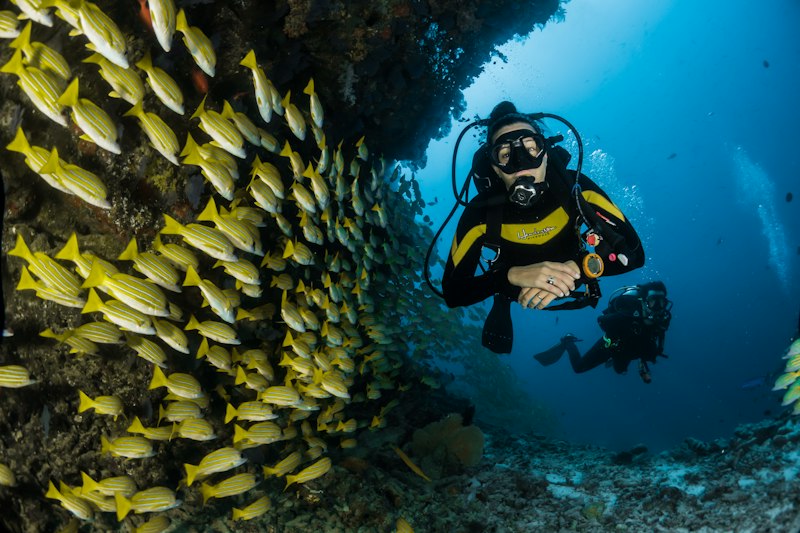
Unlike mega-ships that dock at busy commercial ports, small vessels anchor directly in sheltered bays, allowing passengers to kayak into sea caves, snorkel over pristine coral reefs, and walk through centuries-old temple complexes without the crowds. If you have ever dreamed of waking up to the sound of gentle waves lapping against a deserted beach in Halong Bay or the Mergui Archipelago, small-ship cruising is your answer.
Top Small-Ship Cruise Routes in Southeast Asia
Halong Bay and Lan Ha Bay, Vietnam
Vietnam's Halong Bay is one of the world's most iconic seascapes, with over 1,600 limestone islands rising dramatically from emerald waters. While the main bay can feel busy during peak season, small-ship itineraries increasingly focus on neighbouring Lan Ha Bay, which offers equally spectacular scenery with far fewer visitors.
A typical three-night cruise aboard a traditional wooden junk includes:
The best time to cruise Halong Bay is from October to April, when skies are clear and temperatures are comfortable. Check live weather on our [city dashboard](/) before booking to plan around seasonal conditions.
The Mergui Archipelago, Myanmar
For the truly adventurous, the Mergui Archipelago in southern Myanmar remains one of Southeast Asia's last great frontiers. This remote chain of over 800 islands was closed to foreign visitors for decades and only a handful of small-ship operators are licensed to navigate its waters.
Expect encounters with:
Itineraries typically depart from Kawthaung in southern Myanmar or Ranong in Thailand, running between November and April when the Andaman Sea is calm.
Komodo and the Lesser Sunda Islands, Indonesia
Indonesia's Komodo National Park is home to the legendary Komodo dragon, the world's largest living lizard, but the surrounding islands offer so much more than reptile encounters. Small-ship cruises through the Lesser Sunda Islands combine wildlife watching with some of the world's best diving.
Highlights include:
Use our [currency converter](/currency) to plan your budget — Indonesia uses the Indonesian Rupiah, and small-ship cruises in this region typically range from USD 150 to USD 500 per person per night depending on vessel quality and inclusions.
What to Expect Aboard a Small Ship
Onboard Atmosphere and Amenities
Small ships create an intimate atmosphere that larger vessels simply cannot replicate. With fewer passengers, you quickly get to know fellow travellers and crew members, creating a genuine sense of community. Most quality small ships in Southeast Asia offer:
Shore Excursions and Activities
The real magic of small-ship cruising lies in the shore excursions. Because vessels anchor close to destinations, excursions are typically shorter and more spontaneous than those on large ships. A typical day might include:
Browse more articles on our [blog](/blog) for destination-specific guides to help you plan each port stop.
Practical Tips for Booking Your Southeast Asia Small-Ship Cruise
Choosing the Right Vessel
Southeast Asia's small-ship market ranges from budget wooden junks to ultra-luxury expedition yachts. Consider these factors when choosing:
Best Time to Cruise
Southeast Asia's weather varies significantly by region:
Packing Essentials
Pack light for small-ship cruising — cabin storage is limited. Essentials include:
Why Small-Ship Cruising Is Worth Every Penny
Small-ship cruises in Southeast Asia typically cost more per night than budget backpacker travel, but the value proposition is compelling. When you factor in accommodation, all meals, guided excursions, and equipment, the all-inclusive nature of cruising often works out comparable to — or cheaper than — arranging the same experiences independently.
More importantly, small-ship cruising delivers experiences that money simply cannot buy through other means: watching the sun rise over Halong Bay from your private cabin balcony, swimming with manta rays in waters shared with no other tourists, or sharing a meal with Moken sea nomads in a floating village. These are the moments that define a truly extraordinary journey.
Southeast Asia rewards those who venture beyond the well-trodden path, and small-ship cruising is the most elegant way to do exactly that.