Travel Money Mistakes to Avoid and Save More Abroad
Losing money to hidden fees and bad exchange rates is every traveler's nightmare. Here's how to keep more cash in your pocket on every trip.

Why Most Travelers Lose Money Before They Even Arrive
You've booked the flights, packed the bags, and mapped out every museum — but have you thought about how you'll actually pay for things once you land? For millions of travelers, currency and payment decisions are an afterthought, and that oversight can cost hundreds of dollars per trip. The good news: a few smart habits can dramatically reduce what you lose to fees, poor exchange rates, and avoidable mistakes.
Use our [currency converter](/currency) to plan your budget before you depart — knowing the real exchange rate arms you with the knowledge to spot a bad deal instantly.
Mistake #1: Exchanging Currency at the Airport
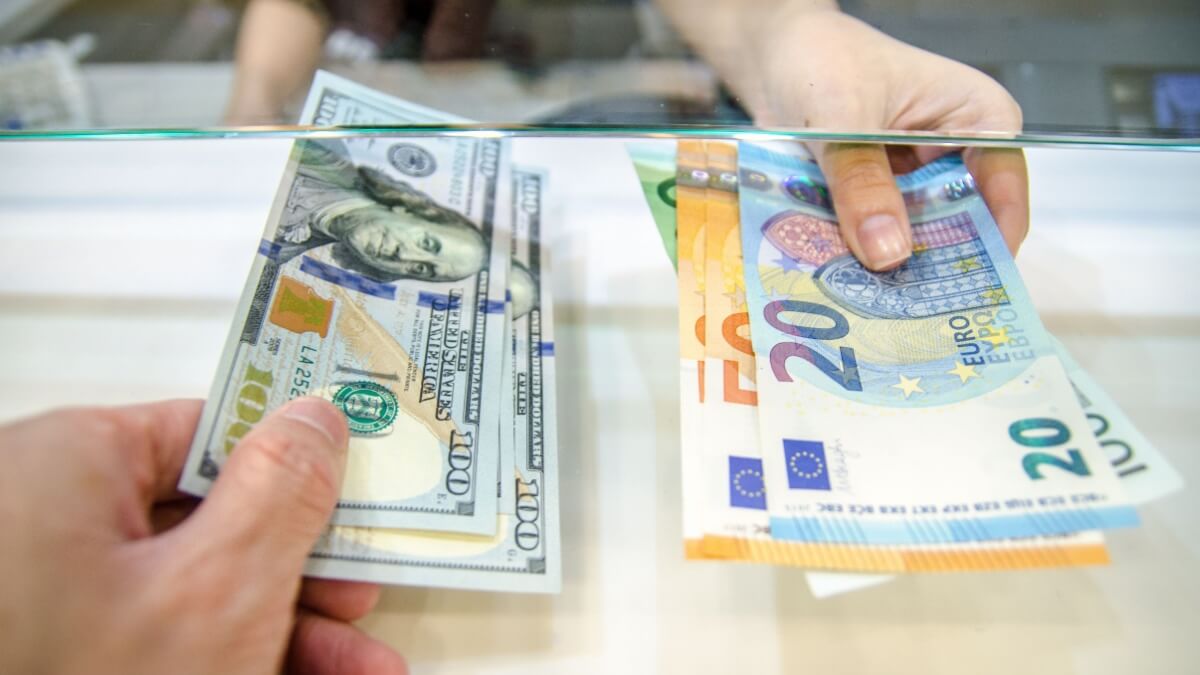
Airport currency exchange booths are among the worst places to swap your money. They typically offer exchange rates 10–15% worse than the mid-market rate, and many tack on additional service fees on top of that. If you arrive in a new country and immediately exchange $500 at the airport kiosk, you could be handing over $50–$75 in unnecessary costs before you've even left the terminal.
Better alternatives:
What About Hotel Desks and Tourist Exchange Booths?
These are almost always worse than ATMs. Hotels in particular mark up exchange rates significantly as a convenience charge. Tourist-area exchange booths may advertise "0% commission" but compensate with terrible rates. Always check the mid-market rate on a currency app before agreeing to any exchange.
Mistake #2: Ignoring Dynamic Currency Conversion
This is one of the sneakiest fees in international travel. When you pay by card at a restaurant or shop abroad, the terminal may ask: *"Would you like to pay in your home currency?"* This sounds helpful — but it almost always means you're accepting the merchant's exchange rate, which is typically 3–7% worse than your card's rate.
Always choose to pay in the local currency. Let your card's network (Visa, Mastercard) handle the conversion — their rates are far more competitive. This single habit can save a meaningful amount over a two-week trip.
Mistake #3: Using the Wrong Credit or Debit Card
Not all cards are created equal for international travel. Many standard bank cards charge:
Before your next trip, research travel-friendly cards that offer:
Browse more articles on our [blog](/blog) for in-depth reviews of the best travel cards available in 2026.
Mistake #4: Carrying Too Much Cash
While having some local currency is essential — especially in markets, rural areas, or countries where card acceptance is limited — carrying large amounts of cash creates unnecessary risk. Lost or stolen cash is almost never recoverable.
A smarter approach:
Mistake #5: Not Notifying Your Bank Before Travel
This classic mistake can leave you stranded. Banks flag unusual foreign transactions as potential fraud and may freeze your card mid-trip. Always:
Mistake #6: Forgetting to Budget for Hidden Costs
Beyond exchange rates and fees, many travelers underestimate the true cost of a destination. Tipping culture, tourist taxes, resort fees, and entrance fees to attractions can add up quickly.
Research destination-specific costs before you go:
Use our [currency converter](/currency) to convert these costs into your home currency so you can budget accurately.
Building a Smart Travel Money Strategy
The best approach combines multiple tools and habits:
Final Thoughts
Travel money management isn't glamorous, but it's one of the highest-return investments you can make before a trip. Spending 30 minutes researching your options before departure can easily save $100–$300 on a typical international journey — money better spent on experiences, food, and memories.
Browse more articles on our [blog](/blog) for destination-specific finance tips, card recommendations, and budget travel strategies to make every dollar go further.