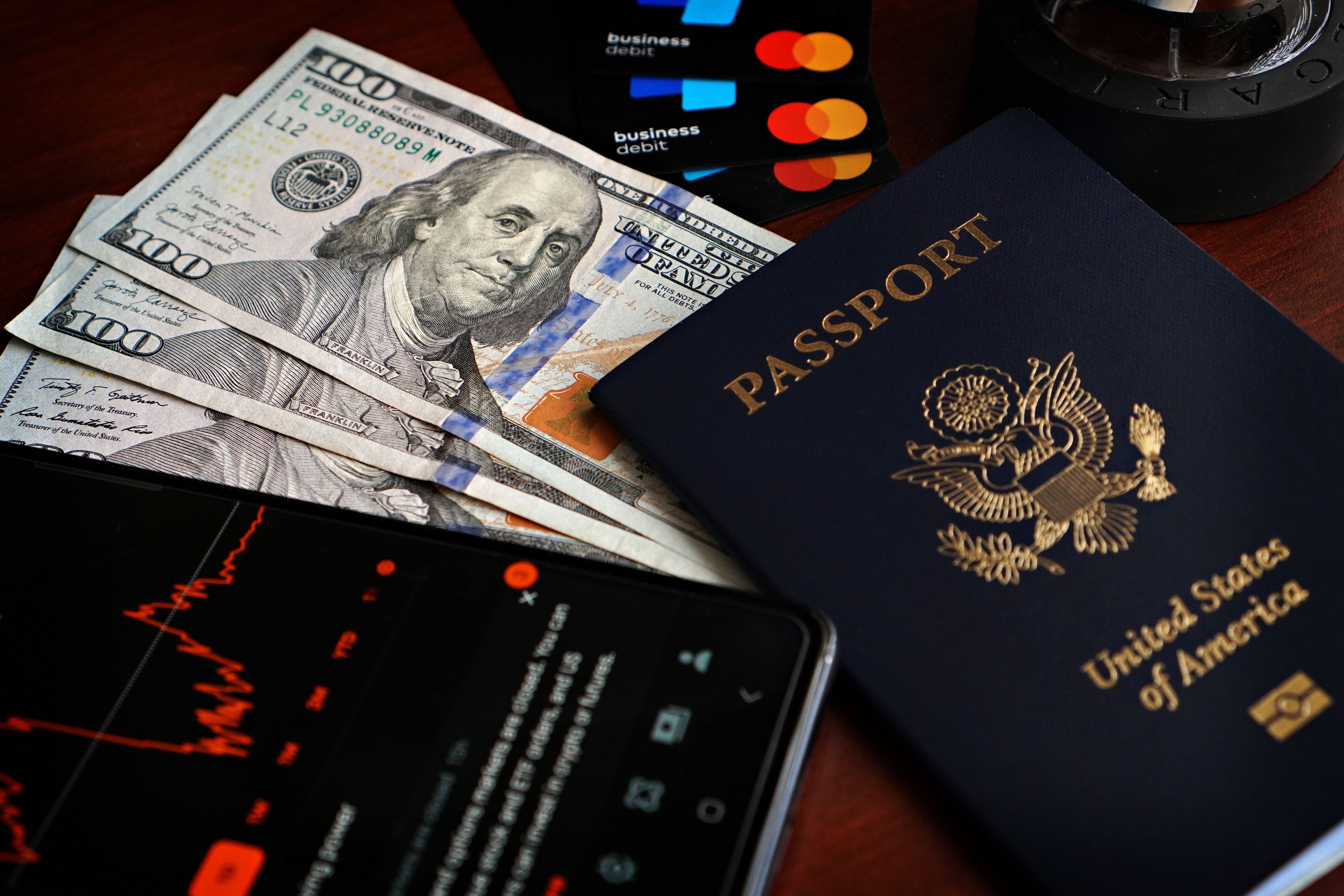
Emergency Money Access Abroad: What to Do When Your Cards Fail or Cash Runs Out
Lost your wallet, frozen card, or run out of cash in a foreign country? Here is your complete guide to accessing emergency funds and staying financially safe abroad.

When Travel Money Goes Wrong: A Practical Survival Guide
Every seasoned traveller has a story about a financial emergency abroad — a card swallowed by an ATM in Tokyo, a wallet lifted in a busy market in Marrakech, or a bank blocking transactions because of unusual foreign activity. These situations are stressful, but with the right knowledge and preparation, they are rarely catastrophic.
This guide walks you through exactly what to do when your travel money access fails, and — more importantly — how to set yourself up so that a single financial mishap never derails your entire trip.
The Most Common Travel Money Emergencies
Understanding what can go wrong helps you prepare for it. The most frequent financial emergencies travellers face include:
Use our [currency converter](/currency) to plan your budget carefully before departure — knowing exactly how much local currency you need for each leg of your trip reduces the risk of running short.
Immediate Steps When Your Card Stops Working
Step 1: Contact Your Bank Immediately
Most card blocks are triggered automatically by fraud detection systems when they detect spending patterns that differ from your norm. The fix is usually simple: call your bank's international helpline (the number is on the back of your card) and confirm that the transactions are legitimate.
Before you travel, always:
Many banks now allow you to manage travel notifications through their mobile app, which is the fastest way to unblock a card.
Step 2: Try a Different Card
This is why carrying two cards from different networks (e.g., one Visa and one Mastercard) is essential travel advice. If one card fails, the other is your backup. Ideally, keep your backup card in a separate location from your primary card — a different bag, your hotel safe, or a money belt.
Step 3: Use a Digital Wallet
If your physical card is blocked but your account is still active, you may be able to add your card to Apple Pay, Google Pay, or Samsung Pay and continue making contactless payments. Some banks allow you to add a card to a digital wallet even when the physical card is temporarily blocked for in-person use.
Emergency Cash Access Options
Western Union and MoneyGram
If you have completely run out of funds and cannot access your accounts, international money transfer services like Western Union and MoneyGram allow someone at home to send you emergency cash within minutes. The recipient can collect funds in local currency at thousands of agent locations worldwide.
To use this service, you will need:
Fees vary but are typically between 3% and 8% of the transferred amount. Browse more articles on our [blog](/blog) for detailed comparisons of international money transfer services.
Your Country's Embassy or Consulate
In genuine emergencies where you have no access to funds and no one who can send money, your country's embassy or consulate may be able to assist. Services vary by country, but many embassies can:
This should be a last resort, but it is reassuring to know the option exists.
Hotel Credit
If you are staying at a hotel and your payment method fails, speak to the front desk manager directly and honestly. Many hotels will extend credit to guests in genuine emergencies, particularly if you have already been staying there for several days and have established a relationship with the staff. They may hold your passport as security while you resolve the issue.
How to Prevent Financial Emergencies Before They Happen
Carry Multiple Payment Methods
The golden rule of travel finance is never rely on a single payment method. A well-prepared traveller carries:
Use a Multi-Currency Travel Card
Dedicated travel cards from providers like Wise, Revolut, or Caxton allow you to hold multiple currencies simultaneously and switch between them instantly. These cards typically offer:
Set Up Online Banking Before You Travel
Ensure you have full access to your bank's mobile app and online banking portal before departure. Being able to manage your account remotely — unfreezing cards, increasing withdrawal limits, transferring between accounts — is invaluable when things go wrong abroad.
Keep Emergency Cash Separate
Always carry a small amount of emergency cash — ideally USD 100 to USD 200 equivalent — stored separately from your main wallet. A money belt worn under clothing, a hidden pocket in your luggage, or your hotel safe are all suitable locations. This cash is your absolute last resort and should only be accessed when all other options have failed.
Country-Specific Considerations
Cash dependency varies enormously by destination. While Scandinavia and Singapore are almost entirely cashless, countries like Morocco, Vietnam, and much of sub-Saharan Africa still rely heavily on physical currency for everyday transactions. Research your destination's payment culture before departure.
Check live weather on our [city dashboard](/) for destination guides that include practical information about local payment customs and ATM availability.
In remote destinations — national parks, island communities, rural villages — ATM access may be non-existent. Always withdraw sufficient local currency before venturing off the beaten path, and carry more than you think you will need.
The Bottom Line: Preparation Is Everything
Financial emergencies abroad are almost always manageable when you have prepared properly. The travellers who find themselves truly stranded are those who relied on a single card, carried no backup cash, and had no way to contact their bank or receive emergency transfers.
Spend 30 minutes before every international trip reviewing your payment setup: notify your bank, load your digital wallet, check your backup card is active, and tuck away a small emergency cash reserve. That half-hour of preparation could save you days of stress and significantly more money in emergency fees.