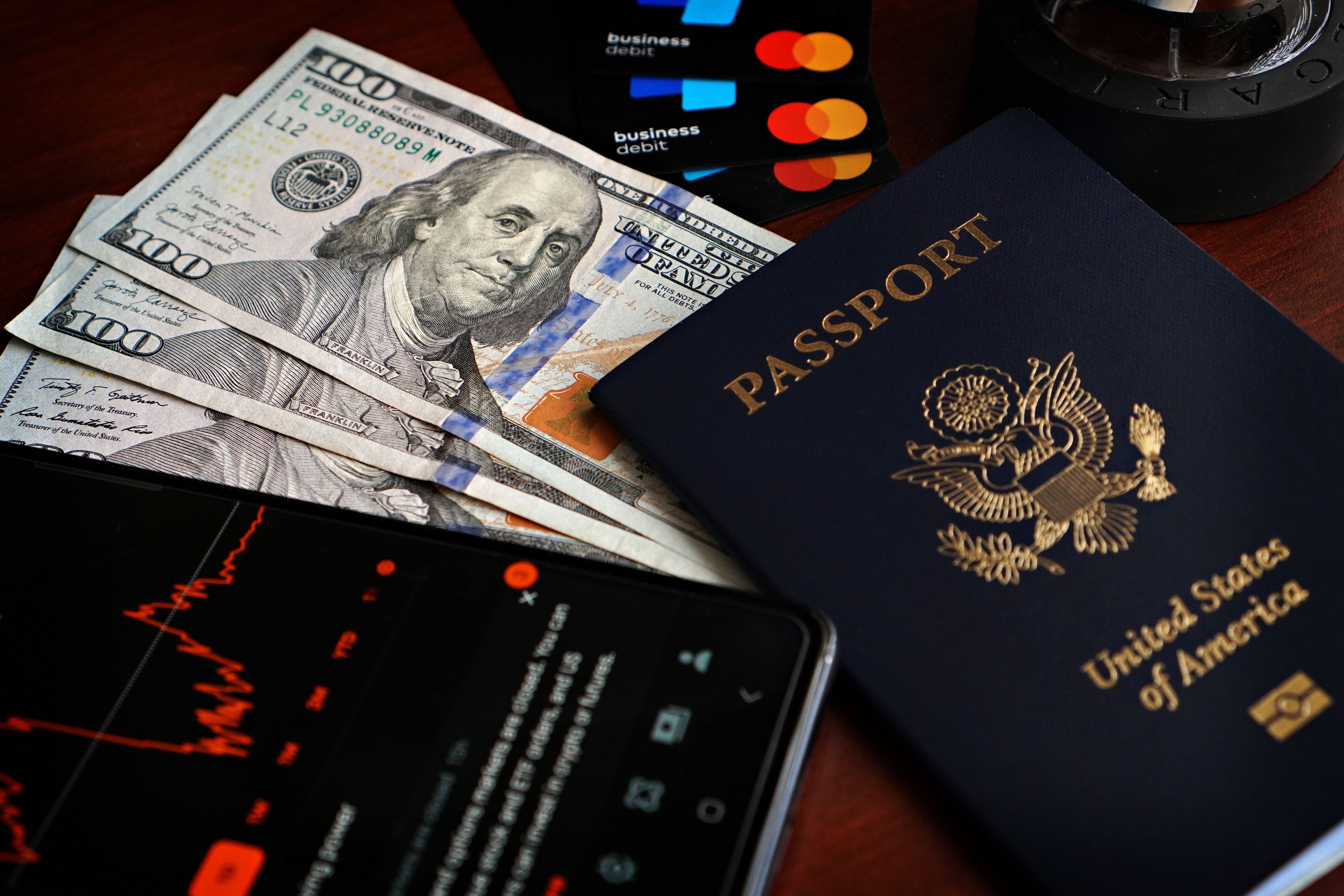
Travel Money Insurance: How to Protect Your Finances When Travelling Abroad
Discover essential strategies to protect your travel money, from insurance cover to card safety and digital security tips for worry-free trips.

Why Travel Money Insurance Matters More Than You Think
Most travellers spend hours comparing flight prices and hotel deals, yet overlook one of the most important financial safeguards for any trip: protecting the money they carry and spend abroad. Travel money insurance and financial protection tools can save you from devastating losses when things go wrong far from home.
Whether you are carrying cash, relying on cards, or using digital wallets, understanding how to protect your travel finances is essential. Use our [currency converter](/currency) to plan your budget before you go, and read on to discover how to keep your money safe throughout your journey.
Understanding Travel Money Protection Options
Travel Insurance with Financial Cover
A comprehensive travel insurance policy typically includes several layers of financial protection:
When comparing policies, look beyond the headline price. Check the excess (the amount you pay before the insurer covers the rest), the cash cover limit, and whether the policy covers the specific activities you plan to do, such as adventure sports or scuba diving.
Card Protection Services
Most major banks and card providers offer built-in fraud protection, but you can enhance this with dedicated card protection services:
Pro tip: Before travelling, call your bank to notify them of your destination and travel dates. This prevents your card from being blocked for suspicious activity when you use it abroad.
Smart Cash Management Strategies
How Much Cash to Carry
The golden rule is to carry only what you need for the day, plus a small emergency reserve. Here is a practical framework:
Diversifying Your Payment Methods
Never rely on a single payment method. A smart traveller carries:
Browse more articles on our [blog](/blog) for detailed guides on the best travel cards for different destinations.
What to Do When Things Go Wrong
If Your Card Is Stolen or Lost
Act immediately. The faster you respond, the less damage a thief can do:
Most banks have 24-hour emergency lines specifically for travellers. Save these numbers in your phone before you depart, not just on a card that could be stolen.
Recovering Stolen Cash
Cash is the hardest to recover, which is why limiting how much you carry is so important. However, your travel insurance may cover stolen cash if you can demonstrate it was taken in a theft (not simply lost). Keep your policy documents accessible digitally, and always report theft to police even if you think recovery is unlikely.
Digital Safety for Travel Finances
Protecting Your Online Banking Abroad
Public Wi-Fi networks in hotels, cafes, and airports are convenient but risky. Cybercriminals can intercept data on unsecured networks:
Monitoring Your Accounts While Travelling
Set up daily balance alerts and transaction notifications on all your accounts. Check your statements every few days rather than waiting until you return home. Early detection of fraudulent activity makes recovery far easier and limits your financial exposure.
Use our [currency converter](/currency) to track exchange rates daily and ensure you are getting fair value on every transaction abroad.
Planning Ahead: The Financial Safety Checklist
Before any international trip, run through this checklist:
Remember: The best financial protection is preparation. A few hours spent setting up these safeguards before you travel can save you enormous stress and financial loss if something goes wrong.
Browse more articles on our [blog](/blog) for destination-specific money tips and the latest advice on travel finance tools.