Solo vs Group Travel Budgeting: Smart Money Strategies for Every Trip Style
Whether you travel alone or with friends, mastering your budget strategy can save hundreds. Here's how to manage money for both solo and group trips.
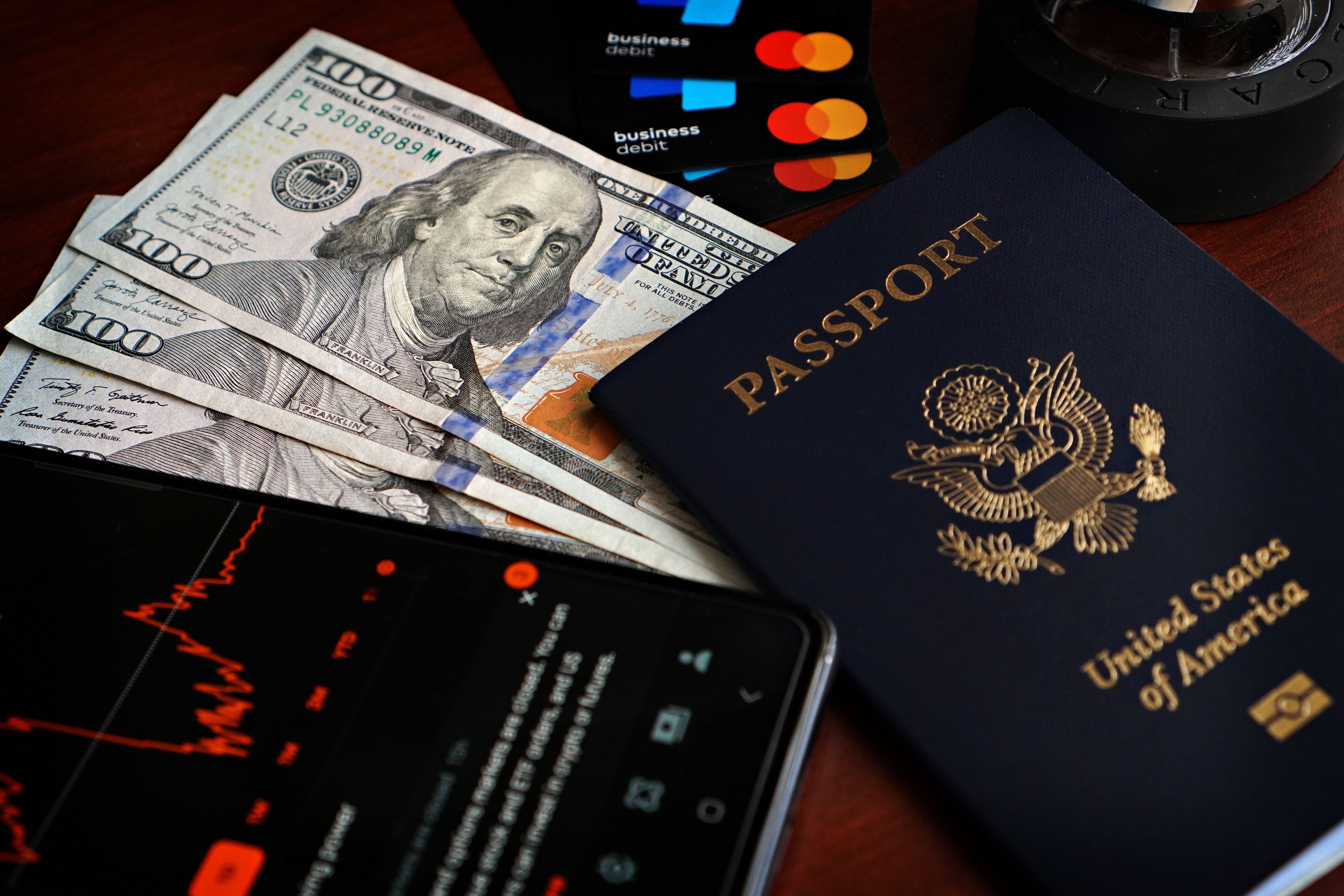
Why Your Travel Budget Strategy Depends on How You Travel
The way you manage money on the road changes dramatically depending on whether you are travelling solo or with a group. Solo travellers face different financial pressures than those sharing costs with friends or family, and the strategies that work brilliantly for one style can backfire for the other.
Understanding the financial dynamics of your travel style before you leave home is one of the most effective ways to avoid overspending, reduce stress, and come home with money still in your account. This guide breaks down the key budgeting strategies for both solo and group travel, so you can plan smarter regardless of how you prefer to explore the world.
Solo Travel Budgeting: Freedom With Responsibility
Travelling alone gives you complete control over your spending. There are no compromises, no waiting for others to agree on a restaurant, and no shared costs to negotiate. But that freedom comes with a financial trade-off: you bear every expense alone.
The solo traveller's biggest costs:
Smart solo budgeting strategies:
Use our [currency converter](/currency) to calculate your daily budget in local currency before you arrive, so you always know exactly how much you are spending.
Group Travel Budgeting: Shared Costs, Shared Complications
Travelling with others can dramatically reduce per-person costs for accommodation, transport, and even food. A four-person group splitting a holiday apartment pays a fraction of what four solo travellers would spend on individual hotel rooms. But group travel introduces a new set of financial challenges: different spending habits, varying budgets, and the awkward business of splitting bills.
The advantages of group travel finances:
The challenges:
The Best Apps for Managing Group Travel Money
Technology has made group travel finances far less painful than they used to be. Several apps are specifically designed to track shared expenses and calculate who owes what.
Top tools for group travel budgeting:
For international groups where members use different currencies, choose an app with built-in currency conversion to avoid manual calculations.
Browse more articles on our [blog](/blog) for detailed reviews of the best travel finance apps available in 2026.
Setting a Group Budget Before You Leave
The single most important thing a group can do before travelling together is have an honest conversation about budget. This does not need to be uncomfortable; it just needs to happen.
How to set a group budget:
Currency and Payment Strategies for Groups
When travelling internationally with a group, currency management becomes a team sport. Here are the strategies that work best:
Designate a group treasurer: One person manages the shared budget, keeps receipts, and tracks expenses. Rotate this role on longer trips to share the administrative burden.
Use multi-currency cards: Services like Wise, Revolut, and Starling allow you to hold and spend in multiple currencies with minimal fees. Each group member should have their own card to avoid one person constantly fronting costs.
Agree on tipping: Different countries have different tipping cultures, and groups can easily overspend or underspend if members are not aligned. Research local customs before you arrive.
Settle up regularly: Do not wait until the end of the trip to reconcile expenses. A weekly settlement prevents small amounts from snowballing into large, contested debts.
Check live weather on our [city dashboard](/) to plan your itinerary around the best conditions, which helps you avoid last-minute expensive changes to your plans.
Final Thoughts: The Budget That Fits Your Travel Style
There is no single right way to manage travel money. Solo travellers need discipline and self-accountability; group travellers need communication and the right tools. What both styles share is the benefit of planning ahead, tracking spending honestly, and choosing financial products that minimise fees and maximise flexibility.
Whether you are heading off alone with a backpack or coordinating a group holiday for ten, the principles are the same: know your budget, track your spending, and use technology to make the financial side of travel as painless as possible. The less time you spend worrying about money, the more time you have to enjoy the journey.


