Travel Money: How to Avoid ATM Fees and Bank Charges When Abroad
ATM fees and foreign bank charges can silently drain your travel budget. Here's how to access cash abroad without paying unnecessary fees.
The Hidden Cost of Accessing Cash Abroad
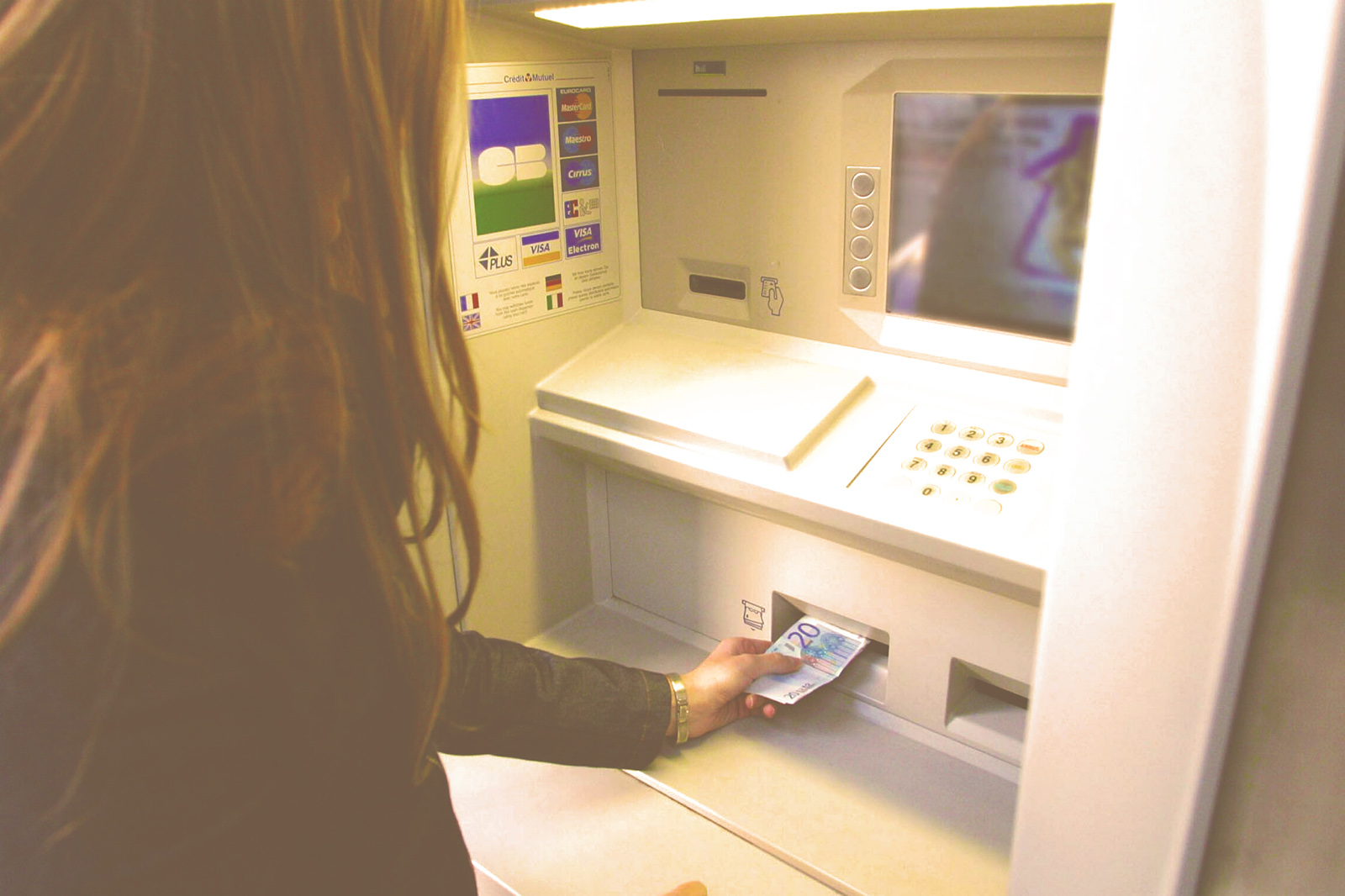
Every year, travellers lose hundreds of millions of dollars to ATM fees and foreign bank charges — costs that are entirely avoidable with the right preparation. When you withdraw cash from an overseas ATM, you can face a stack of charges: your home bank's foreign transaction fee, your home bank's ATM withdrawal fee, the overseas bank's ATM usage fee, and a currency conversion markup. Combined, these can add 5-10% to every withdrawal.
Understanding how these fees work — and how to sidestep them — is one of the most valuable financial skills a traveller can develop.
Use our [currency converter](/currency) to check live exchange rates and understand what you should be paying before you withdraw.
Understanding the Fee Structure
Your Home Bank's Charges
Most traditional banks charge two types of fees when you use an ATM abroad:
These fees are charged by your home bank and appear on your statement separately from the ATM operator's charges.
The Overseas ATM Operator's Fee
The bank or ATM operator in the country you're visiting may also charge a fee for non-customers using their machines. This is sometimes called a "surcharge" or "convenience fee" and can range from the equivalent of $1 to $8 depending on the country and operator.
In some destinations — particularly tourist-heavy areas — independent ATM operators (not affiliated with any bank) charge particularly high fees. These machines are often found in airports, hotels, and popular tourist streets. Always prefer ATMs attached to reputable local banks over standalone machines in convenience stores or tourist areas.
Dynamic Currency Conversion (DCC)
One of the most insidious charges is Dynamic Currency Conversion — when an ATM or card terminal offers to convert the transaction into your home currency at the point of withdrawal. This sounds convenient but almost always uses a poor exchange rate with a significant markup (often 3-7% above the mid-market rate).
Always choose to be charged in the local currency when given the option. Your bank's conversion rate, while not perfect, is almost always better than the DCC rate offered at the ATM.
Browse more articles on our [blog](/blog) for more tips on avoiding travel money traps.
The Best Strategies to Minimise ATM Fees
Switch to a Fee-Free Travel Bank Account
The most effective solution is to open a bank account specifically designed for international travel. Several banks and financial services now offer accounts with:
Popular options include online banks and fintech services that have built their business model around serving travellers. Research what's available in your home country and compare the fee structures carefully before your trip.
Withdraw Larger Amounts Less Frequently
If you're paying a flat fee per withdrawal, it makes mathematical sense to withdraw larger amounts less often rather than small amounts frequently. Instead of withdrawing $50 five times (paying five flat fees), withdraw $250 once and pay only one fee.
The caveat: don't carry more cash than you're comfortable with from a security perspective. Use a money belt or hotel safe for larger amounts.
Use Your Bank's International Partner Network
Many banks have partnerships with overseas banks that allow their customers to use partner ATMs without paying the overseas operator's fee. Check with your bank before travelling to see if they have partner banks in your destination country.
For example, several major US banks participate in the Global ATM Alliance, which allows fee-free withdrawals at partner bank ATMs in dozens of countries.
Time Your Withdrawals Strategically
Country-Specific Considerations
Countries Where Cash Is Still King
In many destinations — particularly in Southeast Asia, parts of Eastern Europe, and rural areas worldwide — cash remains the primary payment method. In these places, having a reliable, low-cost way to access local currency is essential.
Japan is a notable example: despite being a highly developed economy, Japan remains heavily cash-based. 7-Eleven ATMs (operated by Seven Bank) are widely available, accept most international cards, and charge relatively modest fees — they're often the recommended option for foreign visitors.
Countries with Good Card Infrastructure
In Scandinavia, the UK, Australia, and much of Western Europe, card payments are accepted almost everywhere, reducing your need for cash. In these destinations, you may be able to get by with minimal ATM withdrawals, using your card for most purchases instead.
Destinations with Currency Controls
Some countries have official exchange rates that differ significantly from the black market rate. Never use unofficial money changers — beyond the legal risks, you're often given counterfeit notes or shortchanged. Stick to official bank ATMs and licensed exchange bureaux.
Use our [currency converter](/currency) to track exchange rates for your destination and spot any unusual discrepancies before you travel.
Building Your Travel Money Strategy
The ideal approach combines several methods:
With a little preparation, you can eliminate most ATM fees entirely and keep more of your travel budget for the experiences that matter.