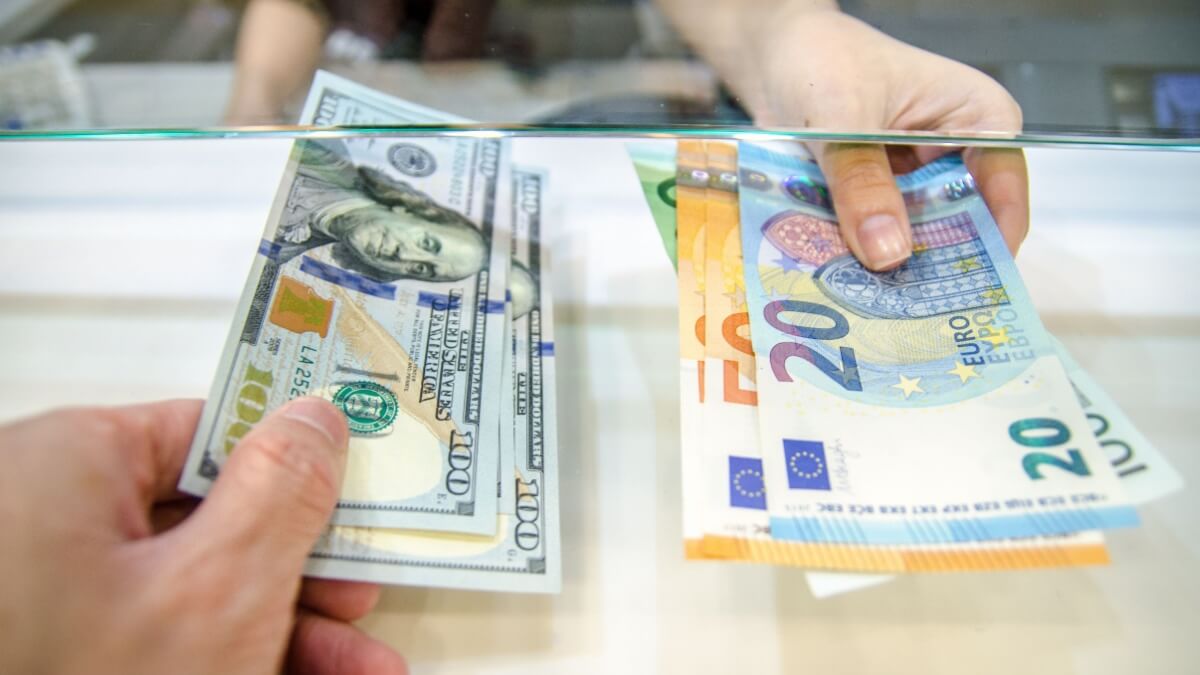
Travel Budget Hacks to Stretch Your Money Further Abroad
Smart financial strategies that help savvy travellers get more value from every dollar, euro, or pound spent overseas.
Why Your Travel Budget Matters More Than You Think
Travelling the world is one of life's greatest pleasures, but poor financial planning can turn a dream holiday into a stressful experience. Whether you are backpacking through Southeast Asia, exploring European capitals, or island-hopping in the Caribbean, knowing how to manage your money abroad is the difference between a trip you remember fondly and one that leaves you scrambling.
The good news is that with a few smart strategies, you can dramatically reduce your travel costs without sacrificing quality or experiences. These budget hacks are used by seasoned travellers who have learned through experience what works and what does not.
Use our [currency converter](/currency) to plan your budget before you depart and know exactly what your money is worth at your destination.
Choose the Right Bank Card Before You Leave
One of the biggest money drains for travellers is unnecessary bank fees. ATM withdrawal fees, foreign transaction charges, and poor exchange rates can add up to hundreds of dollars over a two-week trip.
What to look for in a travel-friendly bank card:
Many online banks and fintech companies now offer accounts specifically designed for travellers. These cards convert your spending at the real exchange rate with no markup, saving you a significant amount compared to traditional bank cards or airport currency exchange booths.
Avoid dynamic currency conversion (DCC): When a merchant or ATM offers to charge you in your home currency instead of the local currency, always decline. This seemingly helpful option uses a poor exchange rate and costs you more. Always pay in the local currency.
Time Your Currency Exchange Wisely
Exchange rates fluctuate daily based on global economic conditions. While you cannot predict the market, you can take steps to exchange money at better times and better places.
Where to exchange currency:
If you are travelling to a destination where the local currency is not widely available at home, plan to withdraw cash from ATMs upon arrival. Keep a small emergency stash of US dollars or euros as backup, as these are accepted in many countries as a secondary currency.
Browse more articles on our [blog](/blog) for destination-specific money tips tailored to popular travel regions.
Master the Art of the Travel Budget
Creating a realistic daily budget before you travel prevents overspending and helps you make conscious choices about where to splurge and where to save.
How to build your travel budget:
Accommodation Savings
Accommodation is often the largest travel expense. Consider these alternatives to traditional hotels:
Food and Dining on a Budget
Food is where many travellers overspend without realising it. Eating like a local is not only cheaper but often more authentic and delicious.
Use Technology to Save Money
Modern travel apps and websites have made it easier than ever to find deals and manage money abroad.
Essential money-saving apps for travellers:
Use our [currency converter](/currency) to compare rates and calculate exactly how much you will spend in local currency before making purchases or booking activities.
Smart Spending Habits That Add Up
Small daily habits can save you a surprising amount over the course of a trip.
- Carry a reusable water bottle: In many destinations, tap water is safe to drink. Even where it is not, buying large water bottles from supermarkets costs a fraction of what cafes and restaurants charge.
- Use public transport: Taxis and ride-sharing services are convenient but expensive. Buses, metros, and trains are how locals get around and are far cheaper.
- Book activities directly: Tour operators often charge less when you book directly rather than through hotel concierges or third-party booking platforms.
- Travel during shoulder season: Prices for flights and accommodation drop significantly outside peak tourist periods, and you will enjoy fewer crowds as a bonus.
- Negotiate where appropriate: In markets and with independent vendors in many countries, polite negotiation is expected and can result in significant savings.
Protecting Your Money While Travelling
Financial security is as important as saving money. Take steps to protect yourself from theft and fraud.
With these strategies in place, you will be well-equipped to make the most of your travel budget and focus on what really matters: experiencing the world.