Travel Insurance and Money Protection: The Complete Guide for International Trips
Learn how to protect your finances abroad with the right travel insurance, emergency cash strategies, and smart money backup plans.
Why Financial Protection Matters More Than Ever When Travelling
Every experienced traveller has a story — a stolen wallet in a busy market, a cancelled flight that cost hundreds to rebook, a medical emergency that turned a dream holiday into a financial nightmare. The difference between a minor inconvenience and a catastrophic loss often comes down to one thing: preparation.
Financial protection for international travel goes far beyond simply buying travel insurance. It encompasses a layered strategy of insurance coverage, emergency cash access, card security, and digital backups that together ensure no single event can derail your trip or your finances. This guide walks you through every layer of that strategy.
Understanding Travel Insurance: What You Actually Need
Travel insurance is not a single product — it is a category containing dozens of different coverage types, and the cheapest policy is rarely the best value. Understanding what each component covers helps you choose a policy that genuinely protects you.
Medical Coverage: The Non-Negotiable
Medical coverage is the most critical component of any travel insurance policy. Healthcare costs in countries like the United States, Australia, and Switzerland can be staggeringly high — a single night in a US hospital can cost more than $10,000, and emergency medical evacuation can run to $50,000 or more.
When evaluating medical coverage, look for:
Trip Cancellation and Interruption
Trip cancellation coverage reimburses non-refundable costs if you cannot travel due to covered reasons — typically illness, injury, bereavement, or severe weather. Trip interruption covers the same costs if you must cut your trip short.
Key questions to ask:
CFAR policies cost 40-60% more than standard policies but offer the broadest protection, reimbursing typically 75% of trip costs for any reason you choose to cancel.
Baggage and Personal Belongings
Baggage coverage reimburses lost, stolen, or damaged luggage and personal items. However, most standard policies have low per-item limits (often $250-500) that may not cover expensive electronics, cameras, or jewellery. Check whether your home contents insurance already covers belongings abroad — many policies do, making separate baggage coverage redundant.
Use our [currency converter](/currency) to understand the real value of coverage limits in your home currency when comparing policies priced in foreign currencies.
Building Your Emergency Cash Strategy
Insurance pays out after the fact — but what do you do when you need money immediately? A robust emergency cash strategy ensures you always have access to funds, even if your primary card is lost or blocked.
The Three-Card Rule
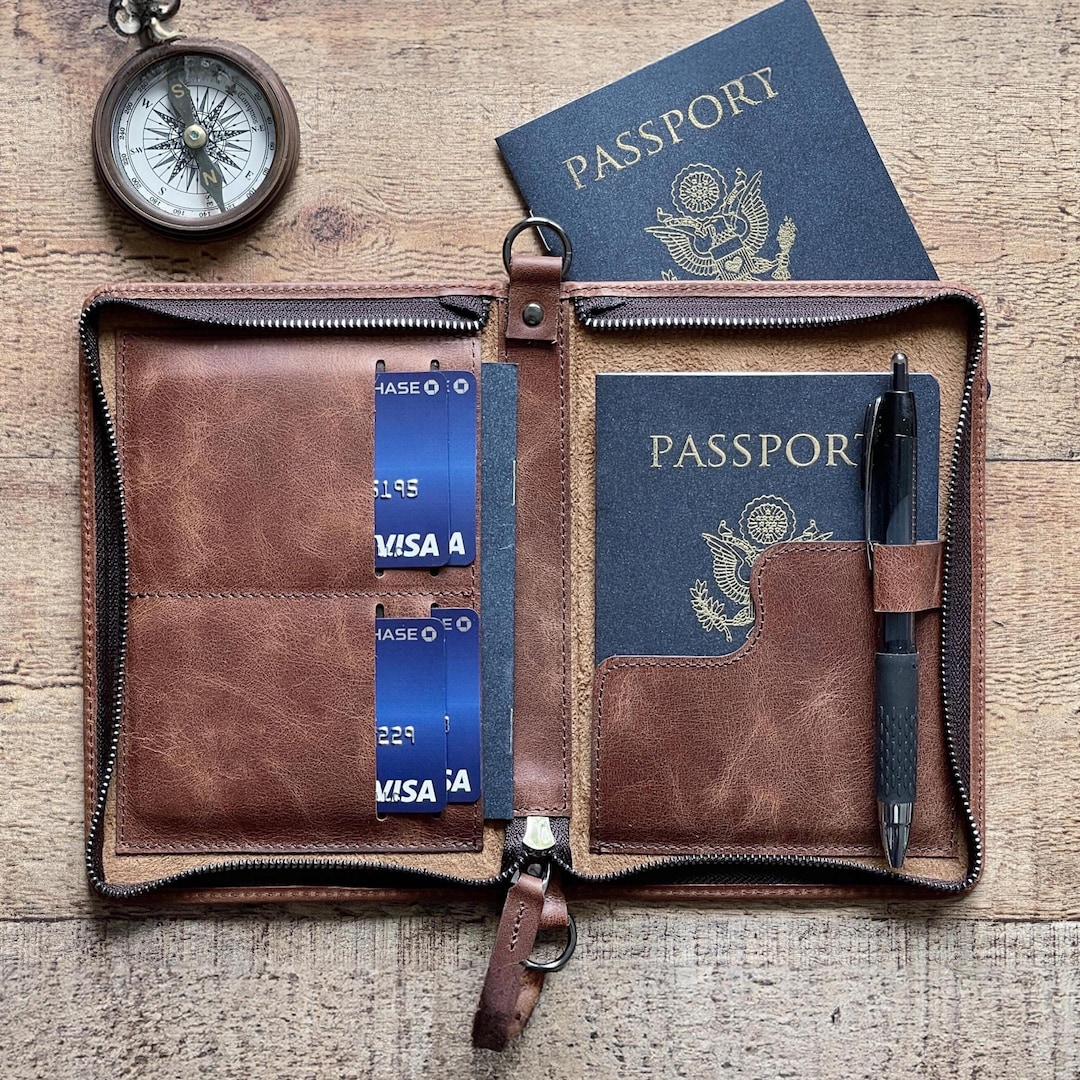
Never travel with only one payment card. The ideal setup is:
Store your backup cards separately from your primary wallet — one in your luggage, one in a hotel safe. Never carry all three in the same place.
Emergency Cash Reserves
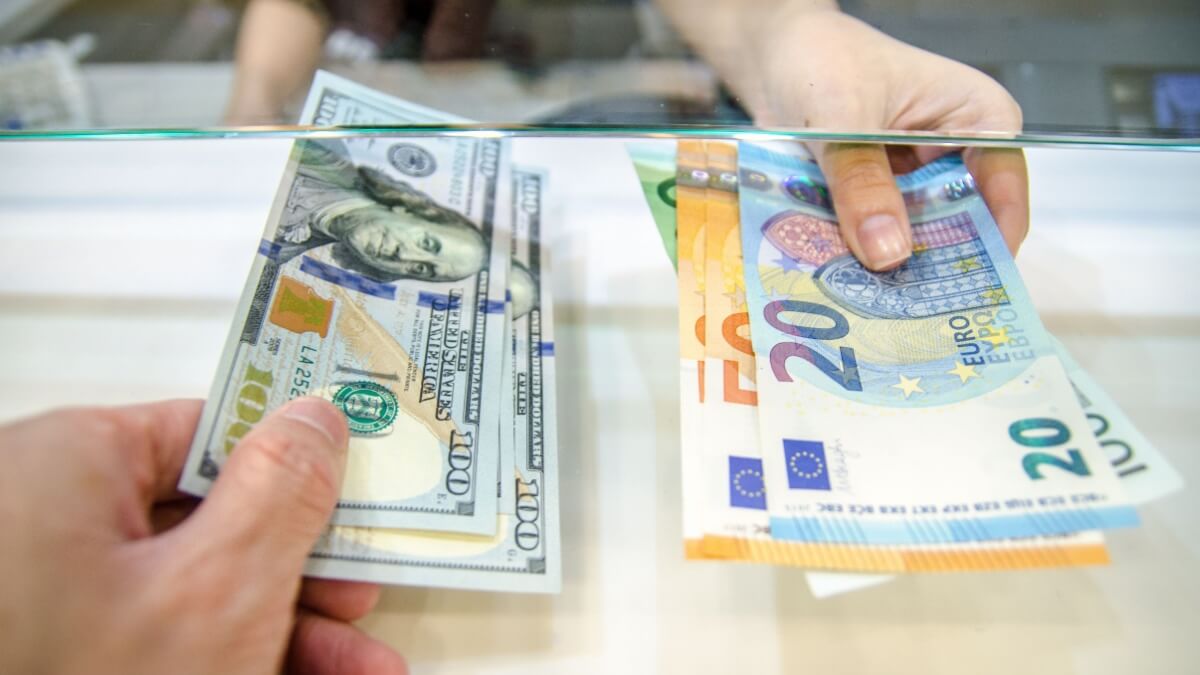
Despite the convenience of cards, cash remains essential in many destinations. Maintain a small emergency cash reserve in the local currency or in USD/EUR (widely accepted as backup currencies in many countries). A reserve of $100-200 USD equivalent is usually sufficient for most emergencies.
Notifying Your Bank Before Travel
Always notify your bank and card issuers before travelling internationally. Unexpected foreign transactions can trigger fraud alerts that freeze your card at the worst possible moment. Most banks now allow you to set travel notifications through their mobile apps.
Protecting Your Cards and Financial Data Abroad
Card fraud and identity theft are genuine risks in popular tourist destinations. A few simple precautions dramatically reduce your exposure.
Physical Card Security
Digital Security
Browse more articles on our [blog](/blog) for in-depth guides on the best travel cards and apps for managing money abroad.
What to Do If Your Money Is Stolen
Despite all precautions, theft can happen. Knowing exactly what to do in the first hour after a theft can make the difference between a manageable situation and a financial crisis.
Immediate Steps
Emergency Money Transfer Services
If you have no access to any cards or cash, international money transfer services like Western Union and MoneyGram allow someone at home to send you emergency funds within minutes, collectible in cash at thousands of locations worldwide. Know the nearest location to your accommodation before you need it.
Check live weather on our [city dashboard](/) to plan your days — staying aware of your surroundings is easier when you are not rushing to beat bad weather.
Comparing Travel Insurance Providers
When shopping for travel insurance, use comparison sites to evaluate multiple policies simultaneously. Key factors to compare:
Annual multi-trip policies offer excellent value for frequent travellers, typically covering unlimited trips of up to 30-45 days each for a single annual premium. If you travel more than twice a year, an annual policy almost always works out cheaper than buying single-trip cover each time.
Financial preparation is not about expecting the worst — it is about ensuring that if something does go wrong, it remains a story you tell with a laugh rather than a loss you are still recovering from years later.