Cryptocurrency and Digital Wallets: A Smart Traveller's Guide to Spending Abroad
From Bitcoin ATMs to multi-currency digital wallets, discover how modern payment technology is transforming the way travellers manage money across borders.
The Rise of Digital Money for International Travel
The way we carry and spend money while travelling has changed dramatically over the past decade. Where once the choice was simply cash versus traveller's cheques, today's international traveller has access to a sophisticated ecosystem of digital payment tools — from multi-currency prepaid cards and mobile payment apps to cryptocurrency wallets and contactless payment systems.
Understanding which tools work best in which situations can save you significant money and stress on the road. This guide breaks down the modern digital payment landscape for travellers, helping you make informed decisions before your next international trip.
Multi-Currency Digital Wallets: The Modern Traveller's Best Friend
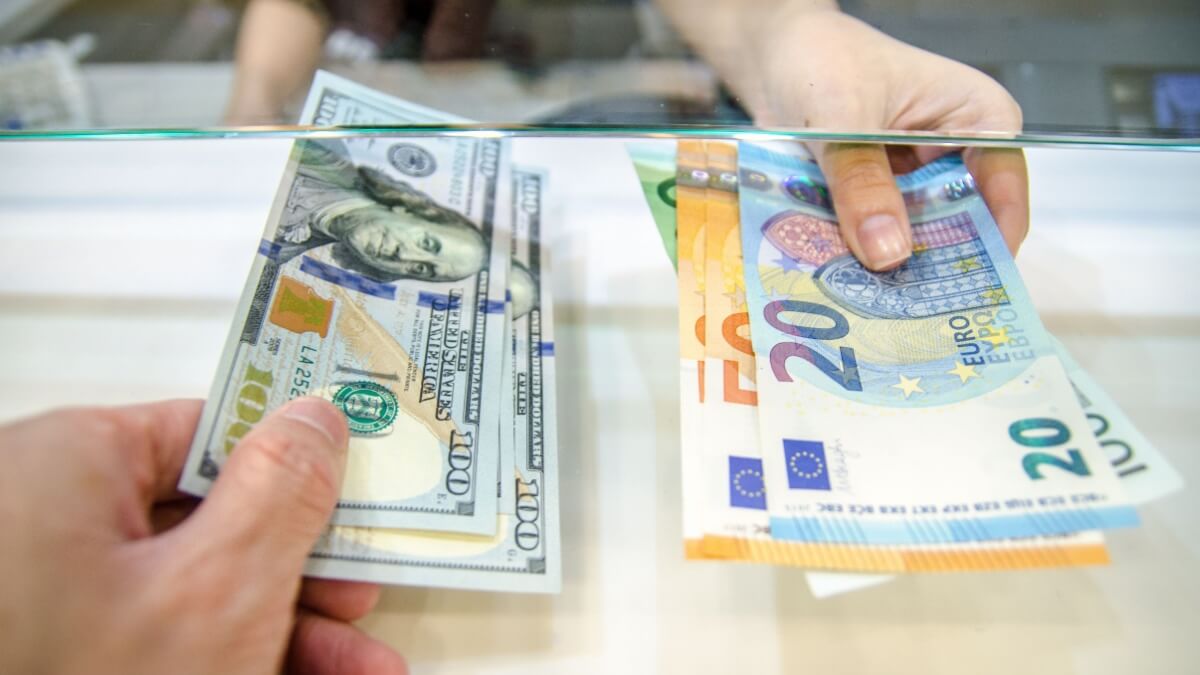
Multi-currency digital wallets have become one of the most popular financial tools for frequent international travellers. Apps like Wise (formerly TransferWise), Revolut, and similar services allow you to hold balances in dozens of currencies simultaneously, convert between them at or near the interbank exchange rate, and spend via a linked debit card wherever Visa or Mastercard is accepted.
Key Advantages
Use our [currency converter](/currency) to compare rates before loading money into any digital wallet — knowing the mid-market rate helps you evaluate whether a service is offering fair terms.
Limitations to Be Aware Of
Digital wallets are not universally accepted. In rural areas of Southeast Asia, Central America, and parts of Africa, cash remains king. Always carry some local currency as a backup, and check whether your destination has reliable mobile data coverage before relying entirely on app-based payments.
Cryptocurrency for Travel: Practical Reality vs. Hype
Cryptocurrency has been heralded as the future of borderless money for years, but its practical utility for everyday travel remains limited in most destinations. Here's an honest assessment of where crypto works — and where it doesn't.
Where Cryptocurrency Is Genuinely Useful
El Salvador became the first country to adopt Bitcoin as legal tender, meaning it is theoretically accepted everywhere. In practice, adoption varies, but tourist areas and larger businesses generally have the infrastructure to process Bitcoin payments.
Portugal has a thriving crypto-friendly ecosystem, particularly in Lisbon and Porto, where a growing number of restaurants, hotels, and co-working spaces accept cryptocurrency.
Japan has a well-developed crypto payment infrastructure, with thousands of merchants accepting Bitcoin and other major cryptocurrencies.
Bitcoin ATMs
Bitcoin ATMs allow you to convert cryptocurrency to local cash, and they exist in over 75 countries. However, fees are typically high — often 5–15% per transaction — making them a last resort rather than a primary strategy. Use a Bitcoin ATM locator app before your trip to identify machines near your destination.
The Volatility Problem
The biggest practical challenge with using cryptocurrency for travel is price volatility. If Bitcoin drops 20% in value during your two-week holiday, your travel budget effectively shrinks by the same amount. Stablecoins — cryptocurrencies pegged to a fiat currency like the US dollar — address this problem, but their acceptance is even more limited than Bitcoin's.
Browse more articles on our [blog](/blog) for in-depth guides to managing travel finances in specific regions.
Contactless and Mobile Payments Around the World
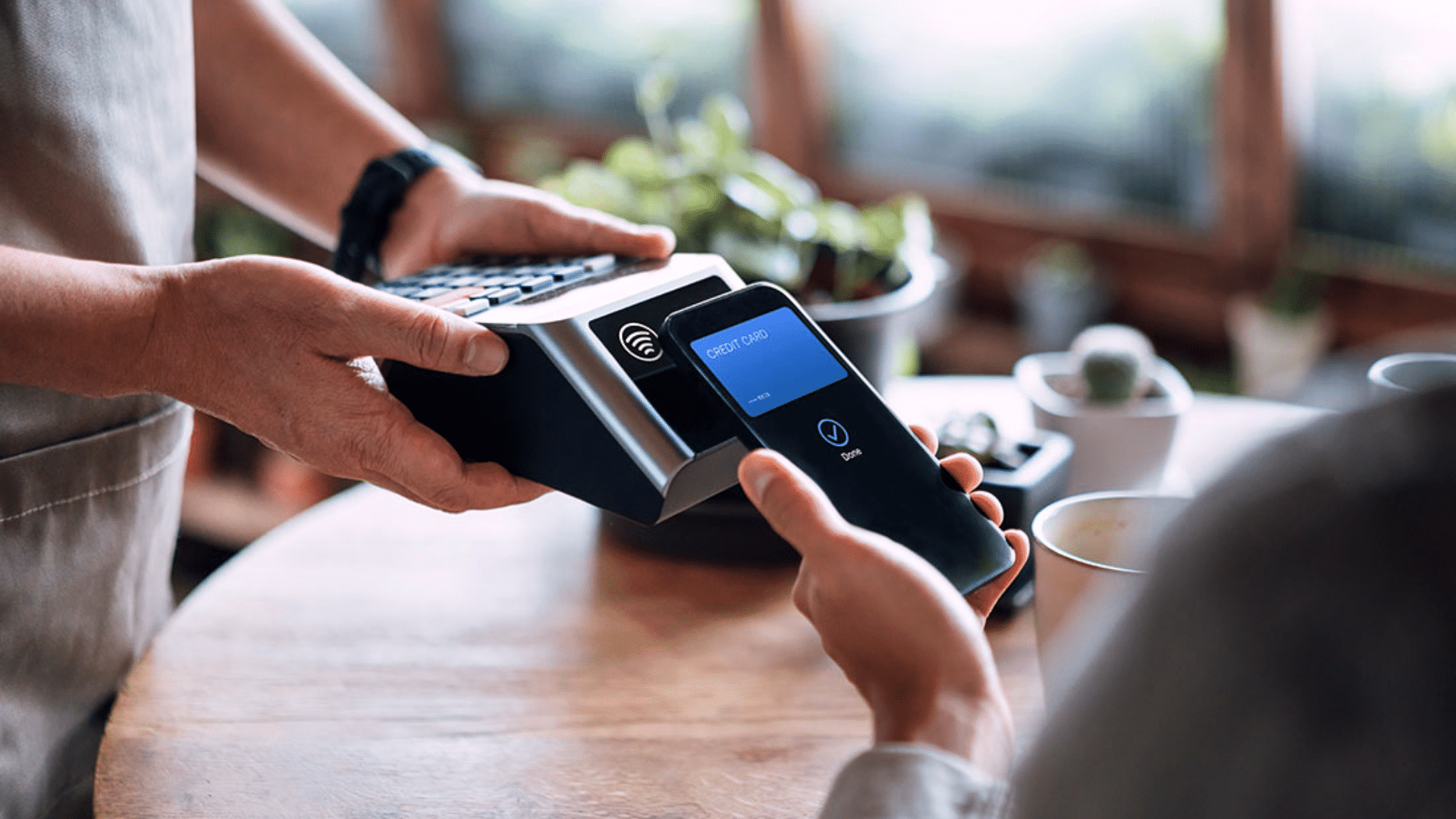
Apple Pay, Google Pay, and Samsung Pay are accepted at an increasingly wide range of merchants globally, but adoption rates vary enormously by country.
Protecting Your Digital Finances While Travelling
Digital payment tools introduce new security considerations that cash does not. Follow these best practices to keep your money safe:
Use a VPN on public Wi-Fi
Never access banking apps or make financial transactions on unsecured public Wi-Fi networks. A reputable VPN encrypts your connection and protects your data from interception.
Enable two-factor authentication
All financial apps should have 2FA enabled. Use an authenticator app rather than SMS-based verification where possible, as SIM-swapping attacks are a known threat.
Set spending limits and notifications
Most digital wallets allow you to set daily spending limits and receive instant notifications for every transaction. Enable both — they're your first line of defence against fraud.
Keep a backup payment method
Never rely on a single payment method. Carry a backup card from a different provider, stored separately from your primary wallet. If your main card is lost, stolen, or blocked, you'll have an immediate fallback.
Photograph your cards
Store photos of the front and back of all your payment cards in a secure, encrypted location (not your camera roll). If a card is lost, you'll have the card number and customer service contact details immediately to hand.
Building Your Ideal Travel Payment Stack
For most international travellers, the optimal approach combines several tools:
The goal is redundancy and flexibility. No single payment method works perfectly everywhere, but a well-constructed stack ensures you're never stranded without a way to pay.
Check live weather on our [city dashboard](/) and plan your itinerary — knowing your destinations in advance helps you research the payment landscape and prepare the right financial tools for each stop.