Spending Abroad with Zero Fees: The Complete Guide to Fee-Free Travel Money
Learn exactly how to eliminate bank fees, ATM charges, and currency conversion costs when travelling internationally, keeping more money for experiences.
The Hidden Cost of Travelling with the Wrong Financial Tools
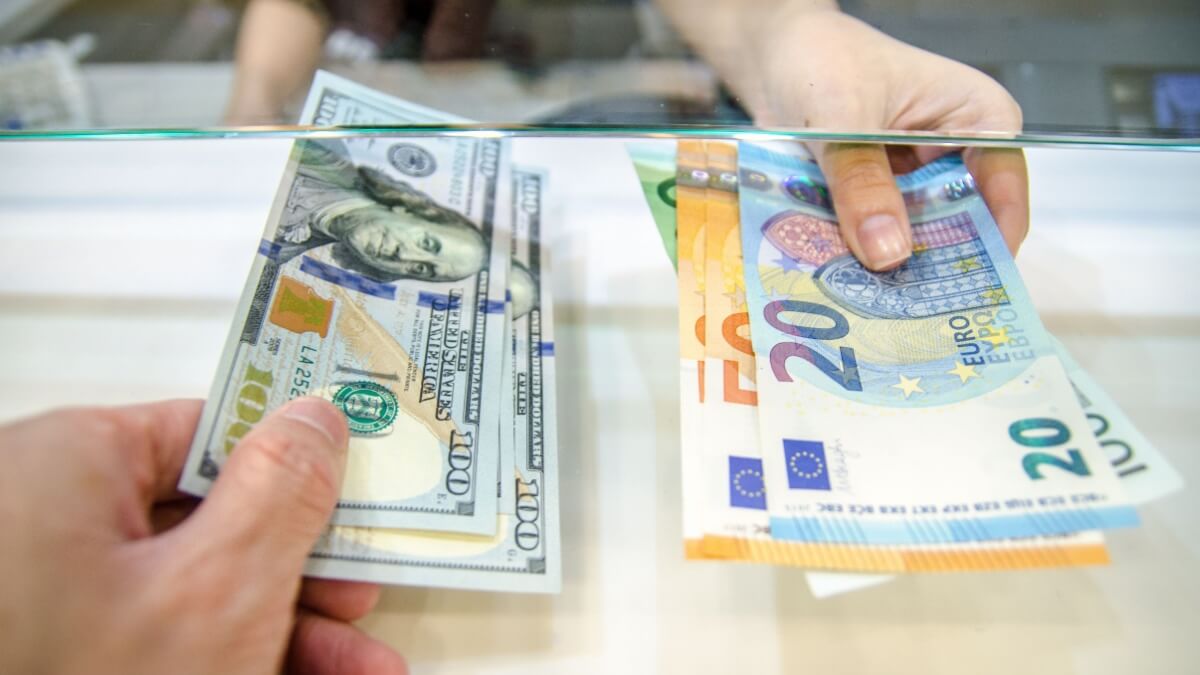
Most travellers dramatically underestimate how much money they lose to fees when spending abroad. Between foreign transaction fees, ATM withdrawal charges, poor exchange rates, and dynamic currency conversion traps, it is entirely possible to lose 5-10% of your travel budget before you have spent a single euro, baht, or peso on actual experiences.
The good news is that with the right combination of accounts, cards, and strategies, it is entirely possible to travel internationally and pay virtually zero fees on your money. This guide walks you through exactly how to achieve that.
Understanding the Fee Landscape
Before you can eliminate fees, you need to understand where they come from. Most travellers encounter several distinct types of charges:
Foreign Transaction Fees
These are charged by your bank or card issuer every time you make a purchase in a foreign currency. They typically range from 1.5% to 3.5% of each transaction. On a two-week holiday with $3,000 in spending, that could mean $60-$105 in fees you never see itemised — they are simply built into the exchange rate shown on your statement.
ATM Withdrawal Fees
These come in two forms: the fee charged by your home bank for using a foreign ATM (often $3-$5 per withdrawal), and the fee charged by the local ATM operator (which can be $2-$8 or more). In some countries, particularly tourist-heavy destinations, ATM fees have risen sharply in recent years.
Poor Exchange Rates
Even when a bank or exchange bureau advertises "no commission," they make money by offering you an exchange rate worse than the interbank (mid-market) rate. The difference between the rate you receive and the true mid-market rate is effectively a hidden fee.
Dynamic Currency Conversion (DCC)
This is perhaps the most insidious fee of all. When a merchant or ATM offers to charge you in your home currency rather than the local currency, they are applying their own exchange rate — which is almost always significantly worse than your bank's rate. Always choose to pay in the local currency.
Use our [currency converter](/currency) to check the current mid-market rate before you travel, so you know exactly what a fair exchange rate looks like.
The Best Fee-Free Accounts and Cards for Travellers
Multi-Currency Travel Cards
Several fintech companies now offer accounts specifically designed for international travel, with features that eliminate most or all of the fees described above.
Key features to look for:
Leading options in this space include Wise (formerly TransferWise), Revolut, and Starling Bank (UK). Each has slightly different fee structures, ATM limits, and supported currencies, so it is worth comparing them based on your specific destination and spending patterns.
Travel-Friendly Credit Cards
For those who prefer credit cards, several issuers offer cards with no foreign transaction fees. These cards often come with additional travel benefits such as travel insurance, airport lounge access, and rewards points on international spending.
What to look for in a travel credit card:
Local Bank Accounts
For long-term travellers or digital nomads spending extended periods in one country, opening a local bank account can be the most cost-effective solution. Many countries now offer accounts that can be opened with a passport and proof of address, and local accounts eliminate all foreign transaction fees entirely.
ATM Strategy: Minimising Withdrawal Costs
Even with a fee-free account, ATM strategy matters. Here are the key principles:
Withdraw larger amounts less frequently. If your bank charges a flat fee per withdrawal, taking out more money each time reduces the per-unit cost. However, balance this against security concerns about carrying large amounts of cash.
Use bank ATMs rather than independent operators. ATMs located inside or directly outside bank branches typically charge lower fees than standalone machines in tourist areas, airports, or convenience stores.
Decline DCC at ATMs. When an ATM asks whether you want to be charged in your home currency or the local currency, always choose the local currency. The ATM's exchange rate for home-currency transactions is almost always worse.
Check your bank's ATM network. Some banks have partnerships with international ATM networks that allow fee-free withdrawals. Citibank, HSBC, and several others have global ATM networks worth investigating.
Check live weather on our [city dashboard](/) to understand which destinations might require more cash — some rural or island destinations have limited ATM availability and may be predominantly cash-based.
Currency Exchange: When and Where
Despite the rise of card payments, cash remains essential in many destinations. Here is how to exchange currency without losing money:
Before You Travel
Avoid airport exchange bureaux. Airport currency exchange desks are almost universally the worst place to exchange money, offering rates that can be 10-15% worse than the mid-market rate. If you need cash immediately on arrival, withdraw from an airport ATM using your fee-free card instead.
Order currency from your bank in advance. Many banks offer better rates for pre-ordered currency than for over-the-counter exchanges, and some will deliver to your home address.
At Your Destination
Use local ATMs with your fee-free card. This is almost always the most cost-effective way to obtain local currency.
Find local exchange bureaux in city centres. Away from tourist hotspots, local exchange bureaux often offer competitive rates. Compare rates at several before committing.
Avoid hotel exchange desks. Like airport exchanges, hotel currency exchange services typically offer poor rates.
Building Your Fee-Free Travel Money Stack
The most effective approach combines multiple tools:
Browse more articles on our [blog](/blog) for destination-specific money guides covering local payment customs, tipping etiquette, and the best ATM networks in specific countries.
Monitoring and Security
With the right tools in place, staying on top of your travel spending becomes straightforward. Most modern travel cards offer real-time spending notifications, instant card freezing if lost or stolen, and detailed transaction histories.
Set up spending alerts before you travel, keep digital copies of your card numbers and emergency contact numbers, and always have a backup payment method accessible. With these precautions in place, you can focus entirely on enjoying your destination rather than worrying about your finances.