Foreign Currency Cash or Card: The Best Strategies for Smart Travellers
Deciding between cash and card abroad can save or cost you hundreds. Here's how to make the smartest choice for every destination.
)
Cash or Card Abroad? The Question Every Traveller Faces
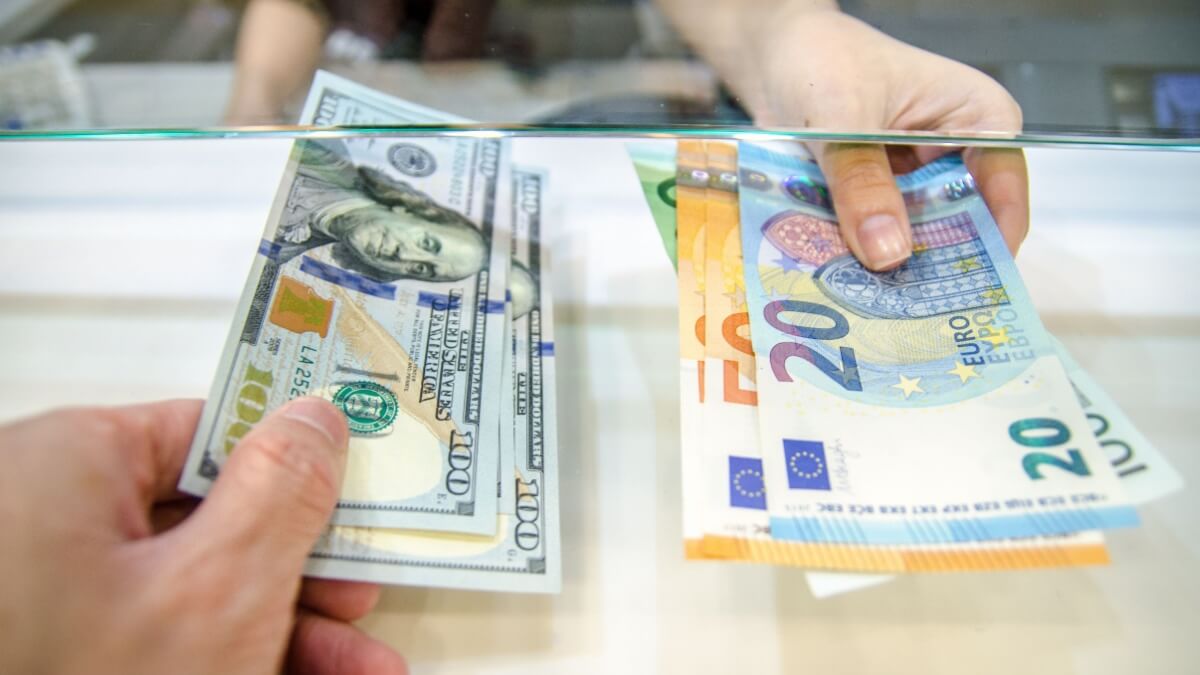
One of the most common dilemmas before any international trip is figuring out how to handle money. Should you load up on local currency before you leave? Rely entirely on your debit or credit card? Or use a combination of both? The answer depends on your destination, your spending habits, and the fees attached to your accounts — but with the right strategy, you can keep more money in your pocket and spend less time worrying about finances.
Use our [currency converter](/currency) to plan your budget before you depart and get a clear picture of exchange rates for your destination.
When Cash Is Still King
Despite the rise of contactless payments and digital wallets, cash remains essential in many parts of the world. Here's when you should prioritise carrying local currency:
How Much Cash to Carry
A good rule of thumb is to carry enough local currency to cover two to three days of expenses — accommodation, meals, transport, and incidentals. This gives you a buffer without the risk of carrying large amounts that could be lost or stolen. Keep your cash in a money belt or a hidden pocket, and split it across two locations so a single theft doesn't wipe you out.
When Cards Are the Smarter Choice
For most urban destinations and tourist-heavy areas, cards offer significant advantages:
Choosing the Right Card for Travel
Not all cards are created equal when it comes to international use. Look for:
Use our [currency converter](/currency) to compare how much you'd actually receive after fees at different exchange points.
The Hybrid Strategy: Best of Both Worlds
Most experienced travellers use a combination approach:
This approach minimises fees, maximises security, and ensures you're never caught short in a cash-only situation.
Dynamic Currency Conversion: Always Say No
One of the most common traps for travellers is dynamic currency conversion (DCC). When you pay by card abroad, a merchant or ATM may offer to charge you in your home currency instead of the local one. This sounds convenient, but the exchange rate applied is almost always significantly worse than what your bank would offer. Always choose to pay in the local currency — your bank's rate will be better.
Planning Your Travel Budget
Before you travel, take time to research:
Browse more articles on our [blog](/blog) for destination-specific money guides and practical finance tips for every type of traveller.
Final Thoughts
The cash vs. card debate doesn't have a single right answer — it depends on where you're going and how you travel. But by understanding the strengths and weaknesses of each option, choosing the right financial products, and planning ahead, you can travel confidently knowing your money is working as hard as you are. A little preparation before departure can save you a surprising amount over the course of a trip.