Foreign Exchange Rates Explained: How to Always Get the Best Deal When Travelling
Understanding how foreign exchange rates work can save you hundreds on every international trip — here's what every traveller needs to know.

# Foreign Exchange Rates Explained: How to Always Get the Best Deal When Travelling
For most travellers, currency exchange is an afterthought — something handled at the airport kiosk or hotel desk out of convenience. But the difference between a good exchange rate and a poor one can add up to hundreds of dollars on a two-week trip. Understanding how foreign exchange rates work, and where to find the best deals, is one of the most valuable skills any international traveller can develop.
How Foreign Exchange Rates Work
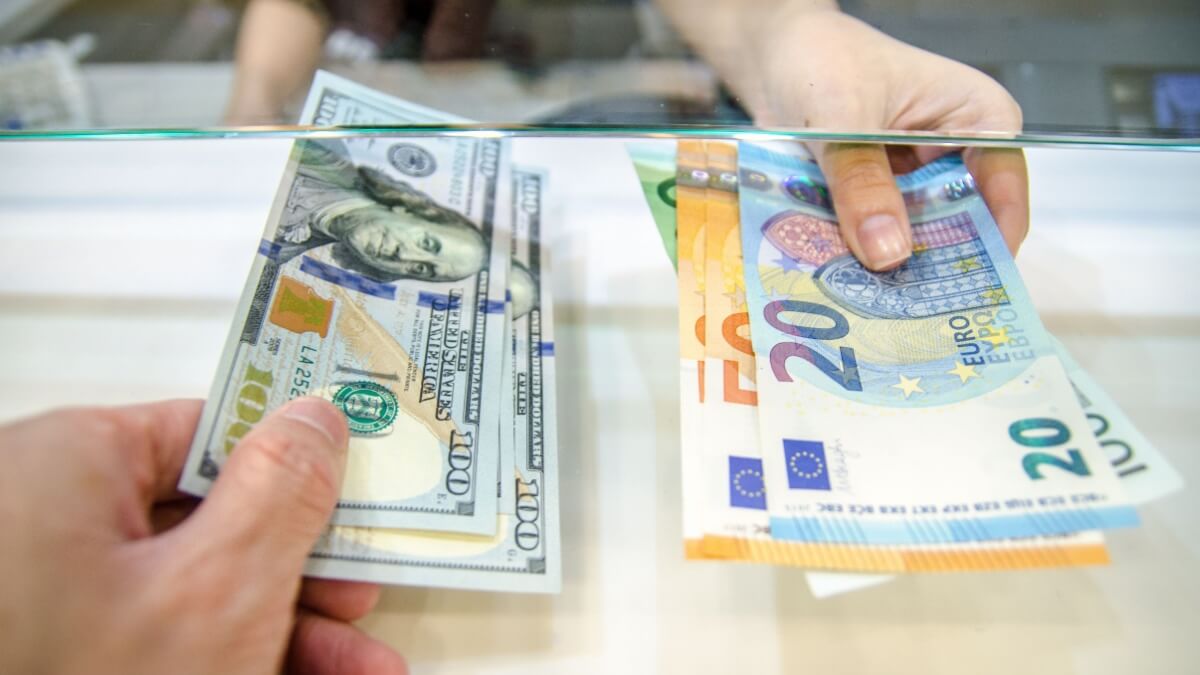
A foreign exchange rate is simply the price of one currency expressed in terms of another. When you see EUR/USD = 1.08, it means one euro buys 1.08 US dollars.
Exchange rates fluctuate constantly based on:
The Interbank Rate vs. What You're Offered
The interbank rate (also called the mid-market rate or spot rate) is the rate at which banks trade currencies with each other. It's the fairest, most accurate exchange rate — and it's the one you'll see on Google or financial websites.
The rate you're offered as a consumer is always worse than the interbank rate. The difference is the spread — the profit margin built in by whoever is exchanging your money. The key is minimising this spread.
Use our [currency converter](/currency) to check the current mid-market rate for any currency pair before you exchange money — this gives you a benchmark to compare against any offer you receive.
Where to Exchange Currency: Ranked Best to Worst
1. Specialist Online Currency Services
Services like Wise (formerly TransferWise), Revolut, and similar fintech platforms offer rates very close to the interbank rate with transparent, low fees. You can order foreign currency online and have it delivered, or use their linked debit cards abroad.
2. Local ATMs Abroad (Using a Fee-Free Card)
Withdrawing cash from ATMs in your destination country using a card with no foreign transaction fees is one of the most convenient ways to get good rates. The ATM uses the card network's exchange rate (close to interbank), and a fee-free card absorbs the rest.
3. High Street Banks and Credit Unions
Your home bank can exchange currency, though rates are typically less competitive than specialist services. However, some banks offer better rates for account holders, and there's the reassurance of dealing with a familiar institution.
4. Airport Currency Exchange Kiosks
Airport exchange bureaux are the most convenient option but consistently offer the worst rates — often 10–15% below the interbank rate, plus additional fees. They rely on the captive audience of travellers who haven't prepared.
5. Hotel Desks and Tourist Area Exchange Booths
Hotels and exchange booths in tourist areas typically offer rates similar to or worse than airports. The convenience premium is steep.
Understanding Fees and Hidden Costs
Exchange rate margins aren't the only cost to watch. Common fees include:
The "0% Commission" Trap
Advertisements for "0% commission" currency exchange are common at airports and tourist areas. This simply means no separate commission fee is charged — but the exchange rate itself is still poor. The profit is built into the rate. Always calculate the effective rate (how much foreign currency you actually receive per unit of your home currency) rather than focusing on fee labels.
Smart Currency Strategies for Travellers
Plan Ahead
Carry a Mix of Payment Methods
Monitor Rate Movements
If you're travelling in several months, exchange rates can move significantly. Some travellers use rate alerts (available through Wise and other services) to exchange when rates are favourable. However, trying to time the market perfectly is difficult — exchanging in stages (dollar-cost averaging) is a sensible middle ground.
Know Your Destination's Cash Culture
Some countries are highly card-friendly (Scandinavia, Australia, Singapore), while others remain predominantly cash-based (Japan, many parts of Southeast Asia, rural areas globally). Research your destination's payment norms before you go — being caught without local cash in a cash-heavy economy is a common and avoidable problem.
Browse more articles on our [blog](/blog) for destination-specific currency guides, card recommendations, and budget planning tools to make every travel dollar go further.