Travel Money Guide: The Best Ways to Pay and Save Abroad in 2026
From multi-currency cards to local ATM strategies, this guide reveals the smartest ways to manage your money and avoid costly fees on every trip.

# Travel Money Guide: The Best Ways to Pay and Save Abroad in 2026
Managing money abroad is one of the most practical — and often most stressful — aspects of international travel. Between fluctuating exchange rates, hidden bank fees, and the eternal cash-versus-card debate, it's easy to lose a significant chunk of your travel budget to avoidable costs. The good news is that with a little preparation, you can keep more of your money in your pocket and spend it on the experiences that matter. This guide covers everything you need to know about travel money in 2026.
Understanding Exchange Rates: The Basics
Before you travel, it pays to understand how exchange rates work and where the best rates are found.
The Interbank Rate vs. Tourist Rate
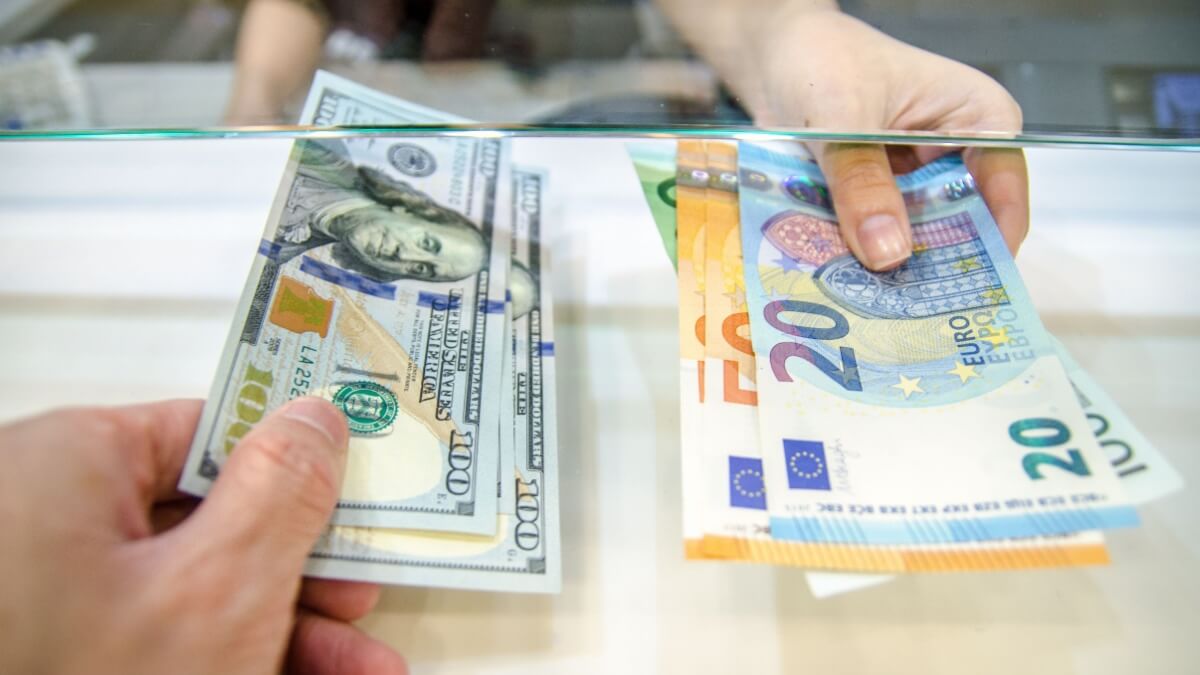
The interbank rate (also called the mid-market rate) is the rate at which banks trade currencies with each other. It's the fairest rate available — and it's the one you'll see quoted on Google or financial websites. The rate you're offered as a traveller is almost always worse than the interbank rate, because providers add a margin (their profit) on top.
The key is to minimise this margin. Here's how different options typically compare:
Use our [currency converter](/currency) to check the current interbank rate for your destination currency before you travel — it gives you a benchmark to compare against any rate you're offered.
The Best Payment Options for Travellers in 2026
Multi-Currency Travel Cards
Dedicated travel cards have transformed how savvy travellers manage money abroad. Cards from providers like Wise, Revolut, and Caxton allow you to hold multiple currencies simultaneously, convert at or near the interbank rate, and spend abroad with minimal or zero fees.
Key features to look for:
Best practice: Load your travel card with local currency before you travel when rates are favourable, or convert in-app when you spot a good rate.
Credit Cards with No Foreign Transaction Fees
A good travel credit card is an essential backup — and often the best option for larger purchases like hotels and car hire, where the additional consumer protections of credit card payments are valuable.
Look for cards that offer:
Important: Always pay in the local currency when given the option at a card terminal. Choosing to pay in your home currency activates Dynamic Currency Conversion (DCC) — a process that lets the merchant's bank apply its own (usually poor) exchange rate. Always decline DCC.
ATMs Abroad: Getting Cash the Smart Way
Despite the rise of cashless payments, cash remains essential in many destinations — particularly in markets, rural areas, smaller restaurants, and taxis. Here's how to use ATMs abroad without getting stung:
Cash: How Much to Carry
Even in increasingly cashless destinations, carrying some local currency is wise. A good rule of thumb:
Avoiding the Most Common Money Traps Abroad
The Airport Exchange Trap
Airport currency exchange is almost always the worst deal available. If you need local currency on arrival, withdraw from an airport ATM rather than exchanging at a bureau de change. Better still, arrive with some local currency already obtained at a competitive rate before you fly.
The Hotel Safe Assumption
Never assume your hotel safe is impenetrable. Keep a record of your card numbers and emergency contact numbers for your bank separately from your cards — ideally in a secure cloud storage app — so you can cancel and replace cards quickly if needed.
Tipping Cultures and Cash Etiquette
Tipping customs vary enormously by destination:
Research the tipping culture of your destination in advance to avoid awkward moments — and always carry small notes for cash tips.
Budgeting for Your Trip: A Practical Framework
Effective travel budgeting starts before you leave home. Here's a simple framework:
Browse more articles on our [blog](/blog) for destination-specific budget guides and money-saving travel tips.
Currency Considerations for Popular Destinations
Eurozone Countries
If you're visiting multiple European countries that use the euro, a single currency load on your travel card covers you across all of them — a significant convenience advantage over destinations with multiple currencies.
Southeast Asia
Countries like Thailand, Vietnam, Indonesia, and Cambodia each have their own currencies. Cash is still king in many areas, particularly outside major cities. ATMs are widely available but fees vary — research the best withdrawal strategy for each country before you arrive.
USA and Canada
Card payments are accepted almost everywhere, but cash is still useful for tips, farmers' markets, and some food trucks. The US dollar is widely accepted in many neighbouring countries and tourist areas worldwide.
Use our [currency converter](/currency) to track exchange rates for all your destination currencies in one place and set rate alerts for the best time to convert.
Final Checklist Before You Travel
With the right preparation, managing money abroad becomes one less thing to worry about — leaving you free to focus on the experiences that make travel so rewarding.