Ten Travel Money Mistakes Every Tourist Makes Abroad and How to Avoid Them
Losing money to bad exchange rates and hidden fees is avoidable. Here are the most common travel finance mistakes and how to sidestep them.

The Hidden Cost of Travelling Without a Money Plan
Every year, millions of travellers unknowingly hand over hundreds of dollars in unnecessary fees, poor exchange rates, and avoidable charges. The good news is that with a little preparation, you can keep significantly more of your travel budget for the experiences that actually matter — the food, the adventures, the memories.
Whether you are heading to Southeast Asia, Europe, or South America, the same financial pitfalls tend to catch travellers off guard. This guide walks you through the ten most common travel money mistakes and gives you practical, actionable strategies to avoid each one.
Mistake 1: Exchanging Currency at the Airport
Airport currency exchange booths are among the worst places to convert your money. They operate in a captive market — you have just landed, you need local cash, and you have no alternatives nearby. As a result, they typically offer exchange rates that are 10-15% worse than the mid-market rate, plus additional service fees.
The fix: Exchange a small emergency amount before you travel at your home bank, then use ATMs at your destination for the bulk of your cash needs. Local ATMs almost always offer better rates than airport exchange desks.
Mistake 2: Using Your Regular Debit Card Abroad
Most standard bank debit cards charge a combination of foreign transaction fees (typically 2-3%), currency conversion fees, and ATM withdrawal fees. These charges stack up quickly, especially if you make multiple small withdrawals.
The fix: Before travelling, open a travel-specific bank account or card. Several banks and fintech companies now offer accounts with zero foreign transaction fees and fee-free international ATM withdrawals. Use our [currency converter](/currency) to compare how much you would actually receive after fees with different card options.
Mistake 3: Accepting Dynamic Currency Conversion
When paying by card abroad, you may be offered the option to pay in your home currency rather than the local currency. This is called Dynamic Currency Conversion (DCC), and it almost always works against you. The merchant's terminal applies its own exchange rate, which is typically far worse than your bank's rate.
The fix: Always choose to pay in the local currency when given the option. Your bank's exchange rate will almost certainly be better than the merchant's DCC rate.
Mistake 4: Carrying All Your Money in One Place
Losing your wallet or having it stolen is a nightmare scenario, but it becomes catastrophic if it contains all your cash and cards. This is one of the most common and most avoidable travel money mistakes.
The fix: Split your money across multiple locations — some in your main wallet, some in a hidden money belt, and a backup card stored separately in your luggage. Keep a small emergency fund in a different pocket from your main wallet.
Mistake 5: Not Notifying Your Bank Before Travelling
Banks use sophisticated fraud detection systems that flag unusual spending patterns. If your card suddenly starts being used in a foreign country, your bank may freeze it as a precaution — leaving you without access to funds at the worst possible moment.
The fix: Notify your bank of your travel dates and destinations before you depart. Most banks allow you to do this through their mobile app in just a few taps. Browse more articles on our [blog](/blog) for a complete pre-travel financial checklist.
Mistake 6: Relying Solely on Cash
While carrying some local cash is essential, relying entirely on cash creates unnecessary risk. Cash can be lost, stolen, or damaged, and carrying large amounts makes you a target for theft.
The fix: Use a combination of cash for small purchases and markets, and a travel card for larger transactions at hotels, restaurants, and shops. This spreads your risk and gives you a paper trail for significant expenses.
Mistake 7: Ignoring ATM Fees at Your Destination
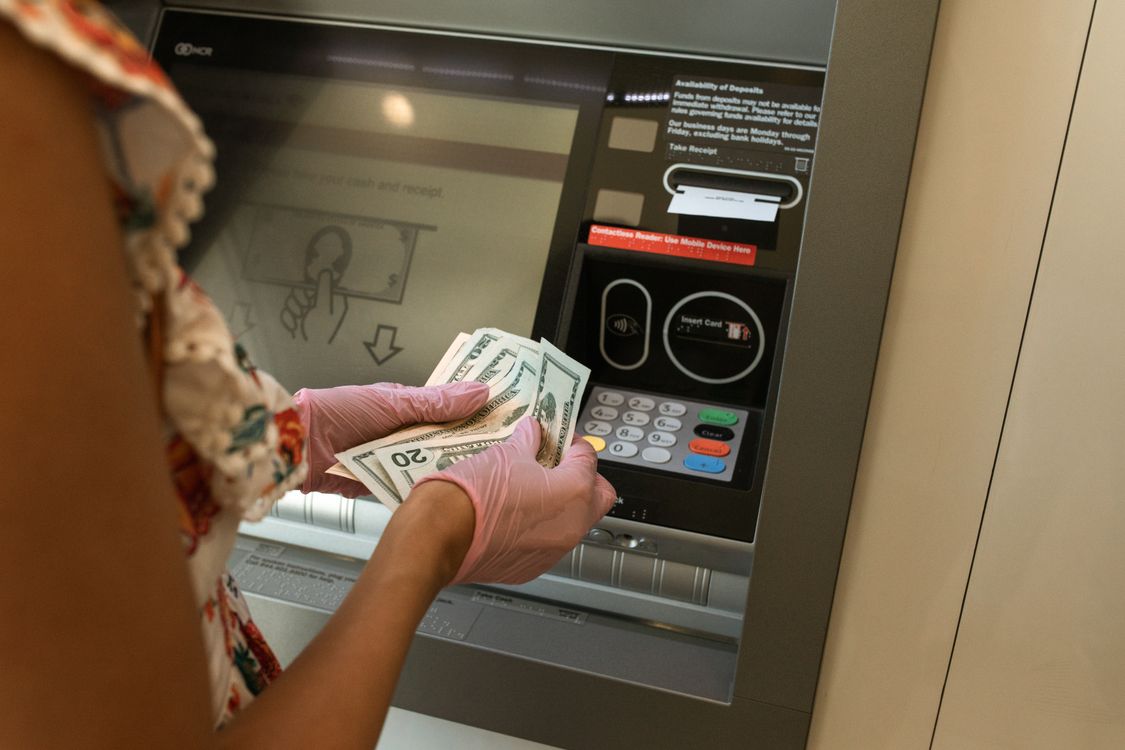
Even if your home bank does not charge for international withdrawals, the ATM operator at your destination may impose its own fee. These fees can range from a few dollars to surprisingly large amounts, particularly at tourist-area ATMs.
The fix: Use ATMs attached to major local banks rather than standalone machines in tourist areas. Check whether your bank has international partner networks that waive ATM fees. Use our [currency converter](/currency) to calculate the true cost of each withdrawal including fees.
Mistake 8: Not Tracking Your Spending
It is remarkably easy to lose track of how much you are spending when dealing with unfamiliar currency denominations. Many travellers return home to find they spent far more than planned, with little idea of where the money went.
The fix: Use a travel budgeting app to log expenses in real time. Set a daily spending limit before you travel and check your balance each evening. Knowing your budget in both local currency and your home currency helps you make informed spending decisions.
Mistake 9: Buying Travel Insurance as an Afterthought
Travel insurance is not just about medical emergencies — comprehensive policies also cover trip cancellation, lost luggage, and even emergency cash advances if your wallet is stolen. Many travellers either skip it entirely or buy inadequate coverage.
The fix: Purchase travel insurance at the time of booking, not the day before departure. Read the policy carefully to understand what is and is not covered, particularly regarding pre-existing medical conditions and high-value items.
Mistake 10: Not Researching Local Tipping Customs
Tipping norms vary enormously around the world. In some countries, tipping is expected and forms a significant part of service workers' income. In others, it is considered unnecessary or even rude. Getting this wrong can either leave you significantly out of pocket or cause unintended offence.
The fix: Research tipping customs for each country you visit before you travel. As a general guide: tipping is standard in North America (15-20%), optional but appreciated in most of Europe (5-10%), and often unnecessary or even declined in Japan and parts of East Asia.
Building Your Travel Money Strategy
The most financially savvy travellers approach each trip with a clear money strategy:
With these strategies in place, you can focus your energy on enjoying your destination rather than worrying about your finances.