Prepaid Travel Cards vs Cash: Which Option Wins for Trips Abroad
Choosing between prepaid travel cards and cash can save or cost you hundreds on your next trip. Here's the definitive breakdown.
# Prepaid Travel Cards vs Cash: Which Option Wins for Trips Abroad
Every seasoned traveller has faced the same dilemma at the airport: should you load up a prepaid travel card, stuff your wallet with local currency, or rely on a mix of both? The answer isn't one-size-fits-all — it depends on your destination, spending habits, and how much you value convenience over cost savings. This guide breaks down both options so you can make the smartest financial decision before your next adventure.
Use our [currency converter](/currency) to plan your budget and see exactly how much local currency you'll need before you even pack your bags.
What Are Prepaid Travel Cards?
Prepaid travel cards are reloadable cards that let you lock in exchange rates before you travel. You load them with a set amount in your home currency, and the card converts it to your chosen foreign currency at the rate available on the day you load. Popular options include multi-currency cards that hold balances in 10 or more currencies simultaneously.
Key Advantages of Prepaid Cards
Potential Drawbacks
The Case for Carrying Cash
Despite the rise of digital payments, cash remains king in many parts of the world. Rural areas of Southeast Asia, local markets in Morocco, small guesthouses in Central America — these places often operate on a cash-only basis. Arriving without local currency can leave you stranded or forced to accept poor exchange rates at tourist-trap booths.
When Cash Is the Clear Winner
The Risks of Relying Solely on Cash
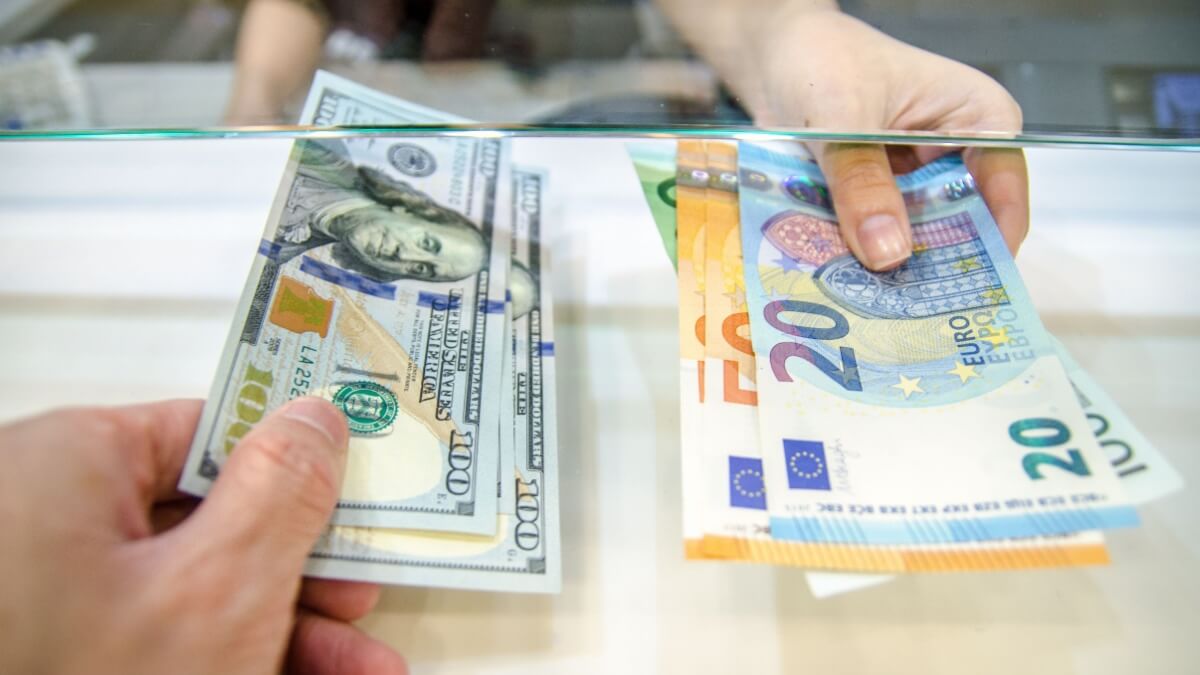
Carrying large amounts of cash is inherently risky. Pickpocketing, loss, and theft are real concerns in busy tourist areas. Additionally, exchanging large sums at once means you're committed to a single exchange rate, which may not be the best available. Airport exchange booths are notoriously poor value — rates can be 10–15% worse than what you'd find at a local bank or ATM.
Comparing the Real Costs
Let's look at a practical example. Suppose you're travelling to Japan for two weeks and need the equivalent of £1,500 in Japanese yen.
Option A — Prepaid Card:
You load £1,500 onto a multi-currency travel card when the rate is favourable. The card charges a 0.5% loading fee (£7.50). You withdraw yen from ATMs as needed, paying a flat fee of £1.50 per withdrawal. Over two weeks, you make six withdrawals — total ATM fees: £9. Total cost: approximately £16.50.
Option B — Airport Cash Exchange:
You exchange £1,500 at the airport bureau de change, which offers a rate 12% worse than the interbank rate. Total cost: approximately £180 in lost value.
Option C — Mix of Both:
You load £1,000 onto a prepaid card and exchange £500 at a reputable local bank upon arrival. This hybrid approach gives you flexibility while minimising fees. Total cost: approximately £20–30.
The numbers speak clearly: avoiding airport exchange booths and using a prepaid card or local ATM withdrawals saves significant money.
Browse more articles on our [blog](/blog) for destination-specific money tips and currency guides.
Smart Strategies for Combining Both
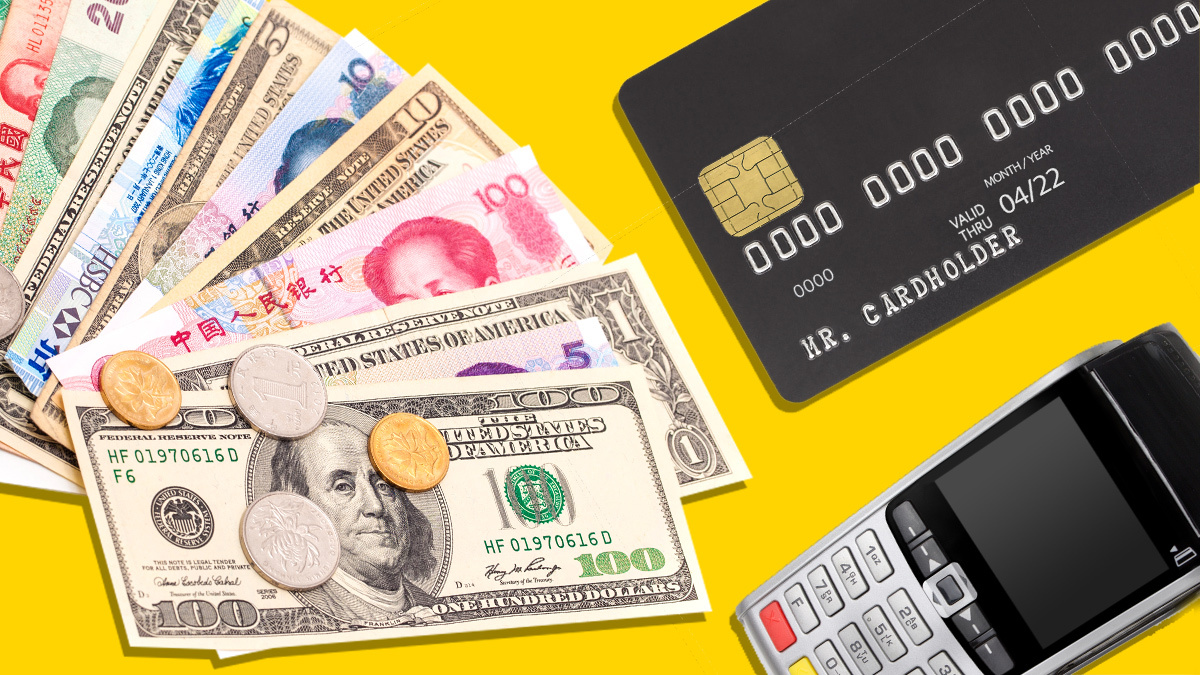
Most experienced travellers use a combination of prepaid cards and cash. Here's a practical framework:
Country-Specific Considerations
Japan: Despite being technologically advanced, Japan remains heavily cash-dependent. Many restaurants, shrines, and smaller shops are cash-only. Carry yen at all times.
Scandinavia: Sweden, Norway, and Denmark are among the most cashless societies on earth. A prepaid card will handle virtually every transaction.
Southeast Asia: A mix works best. Cards are accepted in hotels and larger restaurants, but markets, street food, and transport often require cash.
Western Europe: Cards are widely accepted, but having €50–100 in cash for small purchases, tips, and markets is always wise.
Final Verdict
Neither prepaid cards nor cash is universally superior — the winning strategy is knowing when to use each. For most travellers, a quality multi-currency prepaid card loaded before departure, combined with a modest cash reserve for local spending, delivers the best balance of security, convenience, and value.
Before your next trip, use our [currency converter](/currency) to compare rates and calculate exactly how much you'll need in local currency. A little preparation goes a long way toward keeping more money in your pocket and less in the hands of currency exchange middlemen.