How to Split Bills and Manage Money Smartly on Group Travel Trips
Group travel is unforgettable, but splitting costs can get messy. Here are the smartest strategies to manage money, currency, and shared expenses abroad.
Why Group Travel Money Management Matters
Travelling with friends or family is one of life's greatest pleasures — shared meals, spontaneous adventures, and memories that last a lifetime. But when it comes to splitting bills, managing different currencies, and keeping track of who owes what, even the closest groups can hit friction. A little planning before you depart can save you from awkward conversations and financial headaches mid-trip.
Whether you're a group of two or twelve, these practical strategies will help everyone stay on the same page — and keep the good vibes flowing.
Set Up a Group Budget Before You Leave
The single most effective thing any travel group can do is agree on a daily budget per person before departure. This doesn't mean every meal has to cost the same, but having a rough framework prevents wildly different spending expectations from causing tension.
Consider breaking your budget into categories:
Use our [currency converter](/currency) to plan your budget in the local currency before you arrive, so everyone knows what their daily spend looks like in real terms.
Choose the Right Money-Splitting App
Gone are the days of scribbling IOUs on napkins. Several excellent apps make group expense tracking effortless:
Assign one person as the designated expense logger for each day, rotating the role so no one person bears the administrative burden. Make it a habit to log expenses immediately — memory fades fast after a long day of sightseeing.
Handling Multiple Currencies in a Group
If your trip spans multiple countries — say, a European rail journey through France, Italy, and Croatia — currency management becomes more complex. Here's how to handle it smoothly:
Designate a Group Currency
For internal accounting, pick one currency (usually your home currency or the most-used destination currency) and convert all expenses to it. Apps like Splitwise handle this automatically, but it's worth agreeing upfront.
Pool Cash for Small Expenses
For markets, street food, and small tips, a group cash kitty works brilliantly. Each person contributes an equal amount at the start of each day or destination. One person holds the kitty and pays for small shared costs. Replenish as needed. This avoids the tedium of splitting every €3 coffee.
Use Cards Wisely
For larger expenses — restaurant bills, hotel deposits, tour bookings — one person pays on a no-foreign-transaction-fee card and the group reimburses them via the app. Rotate who pays to avoid one person carrying all the credit card spend.
Always check our [currency converter](/currency) before making large purchases so you know exactly what you're spending in your home currency.
Splitting Restaurant Bills Without the Drama
Restaurant bills are where group money management most often goes wrong. Here are three approaches that work:
Whichever method you choose, decide before you sit down, not when the bill arrives.
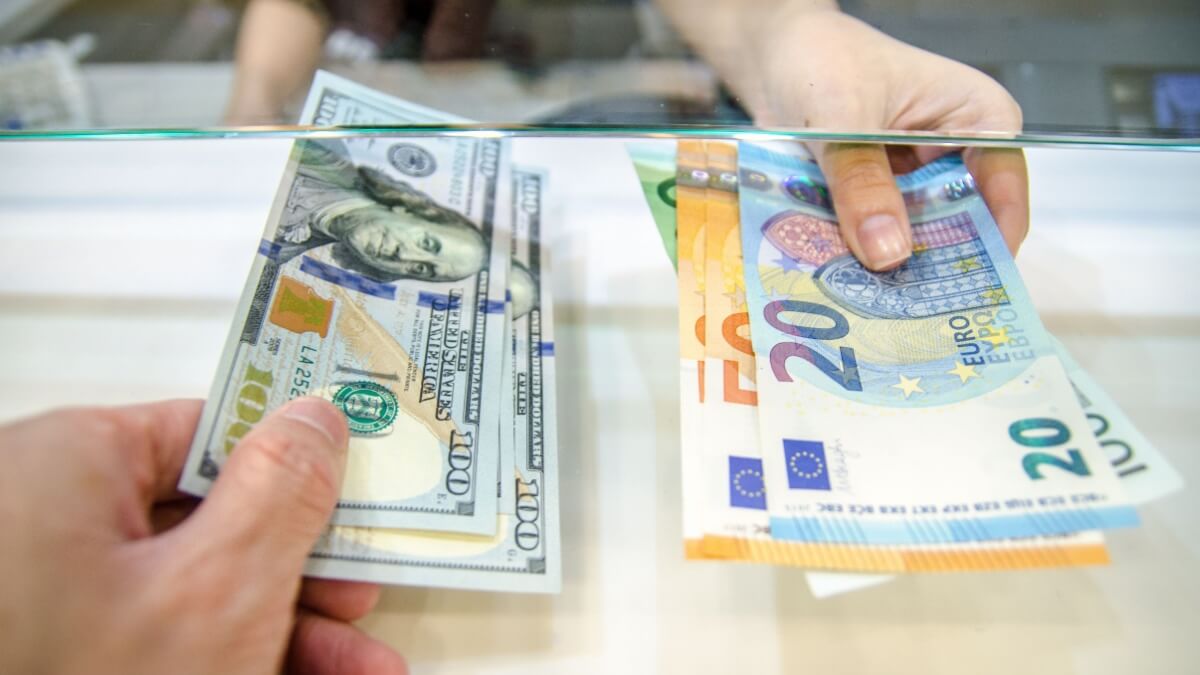
Managing Currency Exchange as a Group
Exchanging currency together can actually save money. Here's how:
Settling Up: The Final Reckoning
At the end of the trip, your expense app will show who owes what. A few tips for a smooth settlement:
Browse more articles on our [blog](/blog) for tips on saving money across every aspect of travel, from flights to accommodation to daily spending.
Final Thoughts
Group travel money management doesn't have to be stressful. With a shared budget, a good expense-tracking app, and a few agreed-upon ground rules, you can focus on what matters — the adventure itself. The key is to have the money conversation early, keep it light, and remember that the goal is shared experiences, not perfect accounting.
Plan smart, travel together, and let the memories — not the spreadsheets — be what you take home.